Stock trading can feel fast, noisy, and a little overwhelming. Prices move every second. News breaks without warning. One tweet can shake the market. That is why smart investors do not rely on luck. They rely on tools.
With the right stock trading tools, you can track your investments, manage risk, and make confident decisions. You do not need to be a Wall Street pro. You just need the right setup.
TLDR: The best investors use tools to track prices, analyze charts, follow news, and manage risk. Portfolio trackers, charting software, screeners, and alert systems make investing easier and smarter. Each tool solves a different problem. Use a mix of them to stay organized and in control.
Let us explore 8 powerful stock trading tools that help you track and manage your investments like a pro.
1. Portfolio Tracking Apps
If you cannot see everything in one place, you cannot manage it well.
A portfolio tracker shows:
- Your holdings
- Total return
- Daily gains and losses
- Dividend income
- Asset allocation
Instead of logging into five brokerage accounts, you get one clear dashboard.
Many apps also show performance charts. You can compare your portfolio to the S&P 500. That alone can change how you invest.
Why it matters: You stop guessing. You see your real performance instantly.
2. Stock Charting Software
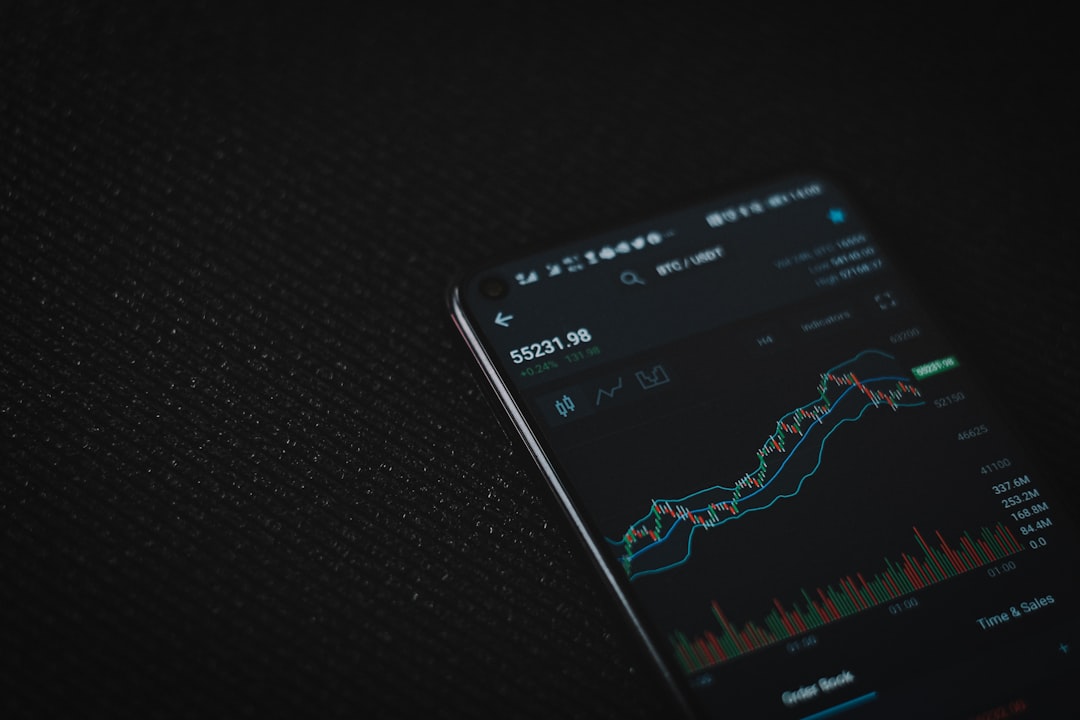
Price charts tell a story. A good charting tool helps you read it.
Charting tools allow you to:
- View candlestick charts
- Add moving averages
- Draw trend lines
- Analyze volume
- Use technical indicators like RSI and MACD
Even long-term investors benefit from charts. They help you avoid buying at extreme highs.
Short-term traders depend on them daily.
Why it matters: You can spot trends instead of reacting emotionally.
3. Stock Screeners
The market has thousands of stocks. A stock screener helps you filter them in seconds.
You can search for companies based on:
- Market cap
- P/E ratio
- Dividend yield
- Revenue growth
- Sector
- Price performance
Instead of asking, “What should I buy?”, you ask smarter questions like:
- Which tech stocks are growing revenue over 20%?
- Which dividend stocks yield above 4%?
- Which companies are undervalued?
Why it matters: You find opportunities faster. And you avoid random picks.
4. Real-Time News Platforms
Markets move on information. Earnings reports. Interest rates. Political events.
A real-time news tool delivers updates instantly.
Some even offer:
- Earnings calendars
- Economic data schedules
- Breaking alerts
- Analyst upgrades and downgrades
This helps you understand why a stock is moving.
Why it matters: You react to facts, not rumors.
5. Price Alert Systems
You cannot stare at charts all day. Nor should you.
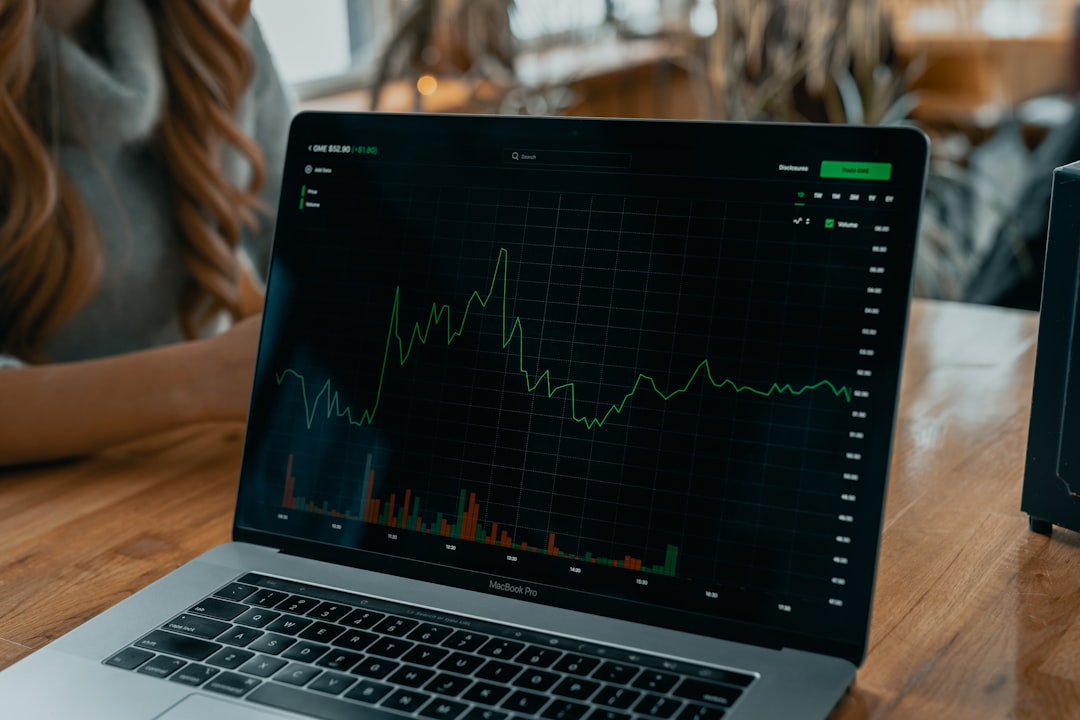
Price alert tools notify you when:
- A stock hits a target price
- A stock drops below support
- A new 52-week high is reached
- Volume spikes
You set the rules. The tool does the watching.
This reduces stress. And improves discipline.
Why it matters: You stop chasing prices and start planning moves.
6. Risk Management Calculators
Many new investors focus only on profit. Smart investors focus on risk.
Risk management tools help you calculate:
- Position size
- Risk-to-reward ratio
- Stop-loss levels
- Maximum portfolio exposure
For example, you might risk only 1% of your total capital on a single trade. A calculator tells you exactly how many shares to buy.
No guessing. No emotional overtrading.
Why it matters: One bad trade will not destroy your portfolio.
7. Dividend Tracking Tools
If you invest for income, this tool is gold.
Dividend trackers show:
- Upcoming payments
- Annual yield
- Dividend growth rate
- Payment history
- Total income earned
Some even forecast future dividend income.
This makes long-term planning easier. Especially if you invest for retirement.
Why it matters: You see your money working for you.
8. Trading Journals
This might be the most underrated tool of all.
A trading journal records:
- Entry price
- Exit price
- Reason for trade
- Market conditions
- Emotional state
Over time, patterns appear.
You may notice that you lose money when trading earnings. Or that you perform better with trend-following trades.
That insight is powerful.
Why it matters: You improve faster by learning from your own data.
Image not found in postmetaQuick Comparison Chart
| Tool | Main Purpose | Best For | Skill Level |
|---|---|---|---|
| Portfolio Tracker | Monitor total investments | All investors | Beginner |
| Charting Software | Analyze price trends | Active traders | Intermediate |
| Stock Screener | Find stock ideas | Researchers | Beginner to Advanced |
| News Platform | Track market events | Active investors | Beginner |
| Price Alerts | Automate monitoring | Busy traders | Beginner |
| Risk Calculator | Control losses | Serious investors | Intermediate |
| Dividend Tracker | Track income | Long term investors | Beginner |
| Trading Journal | Improve strategy | Active traders | All levels |
How to Combine These Tools
The magic happens when you use them together.
Here is a simple workflow:
- Use a stock screener to find ideas.
- Analyze them using charting software.
- Check upcoming events in a news platform.
- Plan your entry using a risk calculator.
- Set price alerts.
- Track progress in your portfolio app.
- Record everything in your trading journal.
Simple. Organized. Intentional.
Common Mistakes to Avoid
Even with great tools, mistakes happen.
Avoid these common traps:
- Using too many tools at once
- Ignoring risk management
- Overtrading because alerts keep buzzing
- Checking portfolio value every hour
- Copying strategies without tracking results
Tools should reduce stress. Not create it.
Final Thoughts
Stock trading is not about predicting the future. It is about managing uncertainty.
The right tools give you structure. They give you clarity. They give you control.
You do not need all eight tools on day one. Start with three:
- A portfolio tracker
- A stock screener
- A basic charting tool
Then expand as your skills grow.
Remember this: Successful investing is not about being the smartest person in the room. It is about being the most prepared.
And good tools make preparation easy.
Track smart. Manage risk. Learn from your data. Stay patient.
Your future self will thank you.