Effective communication sits at the heart of quality healthcare. As care delivery increasingly shifts beyond hospital walls, telemedicine software has become more than a video calling tool—it is now a comprehensive communication infrastructure connecting patients, clinicians, and care teams. When thoughtfully implemented, telemedicine platforms reduce misunderstandings, improve access, increase patient satisfaction, and support safer clinical decision-making. The right solution does not simply digitize appointments; it strengthens relationships.
TLDR: Telemedicine software enhances patient communication by combining secure messaging, video visits, remote monitoring, and integrated health records into a unified experience. When designed with usability, compliance, and workflow integration in mind, these platforms improve accessibility and care continuity. The best solutions reduce friction for both patients and providers while maintaining high standards of security and privacy. Healthcare organizations that prioritize communication-driven telemedicine see measurable improvements in engagement and outcomes.
Why Patient Communication Matters in Telemedicine
In traditional settings, communication gaps often occur during transitions of care, follow-up instructions, and documentation handoffs. Telemedicine introduces new complexities—technical barriers, limited physical presence, and reliance on digital literacy. To address these challenges, modern telemedicine software focuses on clarity, accessibility, and real-time collaboration.
Effective patient communication through telemedicine leads to:
- Improved adherence to treatment plans
- Reduced hospital readmissions
- Faster clinical interventions when symptoms worsen
- Higher patient confidence in virtual care
- Greater transparency in care decisions
When systems are fragmented, communication suffers. A patient may need to log into one system for messaging, another for video, and a third for lab results. Integrated telemedicine platforms eliminate this disjointed experience.

Core Features That Support Better Patient Communication
Not all telemedicine software is equal. The most effective solutions prioritize communication-first design. Below are key features that make a measurable difference.
1. Secure, Real-Time Messaging
Encrypted messaging allows patients to ask follow-up questions without scheduling another visit. Secure chat functions improve clarity around:
- Medication dosing instructions
- Appointment preparation
- Lab result interpretation
- Chronic condition management
Asynchronous messaging is particularly beneficial for patients in different time zones, those with mobility issues, or individuals managing complex schedules.
2. High-Quality Video Consultations
Video remains central to telemedicine. However, quality goes beyond clear audio and visuals. Modern platforms include:
- Screen sharing for reviewing charts and imaging
- Live annotation tools
- Multi-party conferencing for family or specialists
- Real-time captioning for accessibility
These tools help simulate in-person rapport while preserving clinical accuracy.
3. Patient Portals with Integrated Records
A communication breakdown often occurs when patients cannot easily access their own health information. Integrated portals provide:
- Visit summaries
- Test results
- Medication lists
- Care instructions
- Billing transparency
When patients can review written instructions after a visit, comprehension improves and follow-up questions decrease.
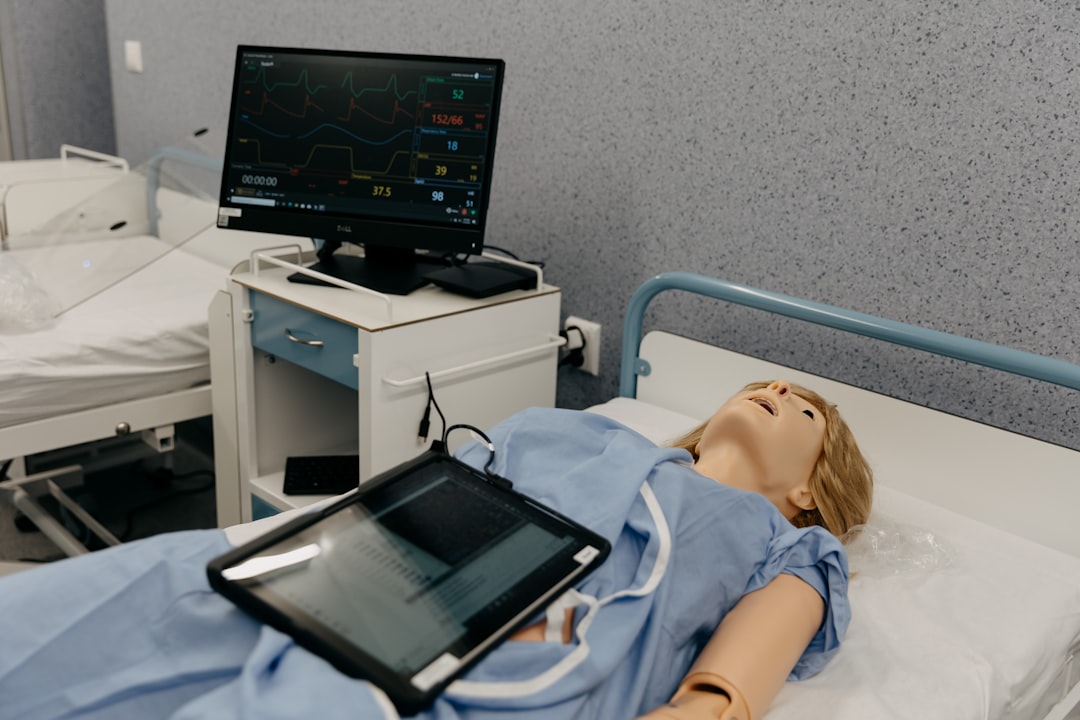
4. Remote Patient Monitoring
Communication is strongest when it is continuous, not episodic. Remote monitoring tools collect health data such as:
- Blood pressure
- Blood glucose levels
- Heart rate
- Oxygen saturation
These data streams allow clinicians to intervene proactively. Patients also feel reassured knowing their provider is staying informed between visits.
5. Automated Reminders and Follow-Ups
Missed appointments and forgotten aftercare instructions reduce treatment effectiveness. Automated communication tools can send:
- Appointment reminders via SMS or email
- Medication refill alerts
- Post-visit satisfaction surveys
- Follow-up care prompts
Automation reduces administrative burden while maintaining consistent engagement.
Comparison of Leading Telemedicine Communication Platforms
Below is a comparison chart outlining how different telemedicine tools support patient communication. These examples represent common market offerings and feature distinctions.
| Platform Type | Secure Messaging | Video Quality Tools | Remote Monitoring | EHR Integration | Best For |
|---|---|---|---|---|---|
| Enterprise Integrated System | Advanced, multi-channel | Screen share, multi-party | Full integration | Native | Large hospitals |
| Mid-Size Practice Platform | Encrypted messaging | HD video | Limited integrations | API based | Clinics and specialty groups |
| Virtual Care Startup Tool | App based chat | Mobile optimized | Wearable syncing | Partial | Direct to consumer providers |
| Behavioral Health Focused System | HIPAA compliant messaging | Group therapy options | Minimal | Integrated notes | Mental health practices |
Healthcare providers must evaluate these features in the context of their patient population, regulatory environment, and workflow complexity.
Security and Compliance: A Foundation for Trust
Patient communication cannot improve without trust. Telemedicine software must prioritize:
- End-to-end encryption
- Role-based access controls
- Audit trails
- Regulatory compliance with healthcare privacy standards
Clear consent processes and transparent data policies help patients understand how their information is used and protected. Trustworthy platforms document communication securely and ensure information is not vulnerable to unauthorized access.
User Experience and Accessibility
Even the most feature-rich system fails if patients find it difficult to use. User interface simplicity directly impacts communication quality. Effective telemedicine platforms support:
- Mobile-first design
- Minimal login friction
- Language translation features
- Accessibility tools for visually or hearing impaired users
- 24/7 technical support
Intuitive navigation ensures that patients spend their time discussing health concerns rather than troubleshooting technology.

Improving Communication Workflows for Providers
Communication enhancement must also reduce provider burden. If clinicians face fragmented dashboards and repetitive documentation, burnout increases. Advanced telemedicine platforms address this issue with:
- Unified communication dashboards
- Smart templates for visit summaries
- Automated documentation tools
- Integrated billing workflows
By consolidating administrative and clinical tasks, providers can focus on patient interaction rather than system navigation.
Measuring Communication Effectiveness
Healthcare organizations should treat telemedicine communication as a measurable performance area. Relevant metrics include:
- Patient satisfaction survey scores
- Average response time to patient messages
- No-show rates
- Readmission rates
- Treatment adherence percentages
Analytics dashboards help leaders identify where breakdowns occur and implement evidence-based improvements.
The Human Element in Digital Communication
While telemedicine relies on technology, communication remains human at its core. Providers must maintain empathy, clarity, and attentiveness during virtual interactions. Effective telemedicine software supports this by:
- Reducing technical distractions
- Providing stable, high-quality connections
- Ensuring documentation happens seamlessly in the background
When clinicians feel confident in their technology, they can devote full attention to listening and responding meaningfully to patients.
Future Directions in Telemedicine Communication
The next generation of telemedicine platforms is likely to incorporate:
- AI-assisted symptom triage to prioritize urgent messages
- Natural language processing for more accurate documentation
- Predictive analytics to identify at-risk patients
- Expanded wearable integration
- Patient education libraries personalized to diagnosis
These innovations will further strengthen proactive communication models rather than reactive care.
Conclusion
Telemedicine software that genuinely supports better patient communication goes far beyond virtual appointments. It integrates messaging, video, monitoring, records access, automation, and security into a coordinated ecosystem. Healthcare organizations that prioritize communication-first telemedicine strategies build stronger patient relationships, enhance clinical outcomes, and reduce operational strain.
As digital health continues to evolve, the most successful providers will be those who view telemedicine not simply as technology, but as a strategic communication platform—one designed to make care more accessible, transparent, and human.