In today’s digital production landscape, 3D modeling platforms play a central role in industries ranging from gaming and film to architecture, manufacturing, and product design. As visual expectations continue to rise, professionals and hobbyists alike seek tools that deliver photorealistic rendering, precise geometry control, and efficient workflows. The best platforms combine powerful modeling capabilities with advanced materials, lighting systems, and rendering engines capable of producing high-quality visual results.
TLDR: Modern 3D modeling platforms offer powerful tools for creating highly detailed, visually realistic models across industries like gaming, architecture, and animation. Leading software such as Blender, Autodesk Maya, 3ds Max, Cinema 4D, and ZBrush deliver exceptional rendering, sculpting, and animation tools. Each platform has strengths tailored to specific workflows, from cinematic production to product visualization. Choosing the right one depends on project needs, industry requirements, and user experience level.
What Defines High-Quality Visual Results in 3D Modeling?
High-quality results go beyond simple geometry creation. A professional-grade 3D model should demonstrate:
- Accurate topology for smooth deformation and rendering
- Photorealistic materials and textures
- Advanced lighting simulation
- High-resolution rendering engines
- Realistic physics and simulations
Modern 3D platforms integrate physically based rendering (PBR), volumetric lighting, subsurface scattering, and ray tracing to achieve lifelike outputs.

Top 3D Modeling Platforms That Deliver Outstanding Visual Quality
1. Blender
Blender has evolved into one of the most powerful open-source 3D creation suites available today. Its integrated Cycles rendering engine produces realistic lighting simulations and cinematic-quality visuals.
Key strengths:
- Advanced sculpting and procedural modeling
- Cycles ray-tracing renderer
- Strong community support and plugins
- Real-time viewport rendering with Eevee
- Open-source flexibility
Blender is widely used for animation films, game assets, VFX work, and product visualizations. Despite being free, it competes directly with premium platforms in terms of output quality.
2. Autodesk Maya
Autodesk Maya is an industry-standard platform frequently used in feature films and AAA game production. Known for its animation tools, Maya also excels in modeling and rendering through Arnold integration.
Key strengths:
- Advanced character rigging and animation
- High-end polygon and NURBS modeling
- Arnold renderer for photorealistic output
- Extensive scripting and customization
Maya’s sophisticated lighting and shader systems make it ideal for cinematic productions that demand ultimate realism.
3. Autodesk 3ds Max
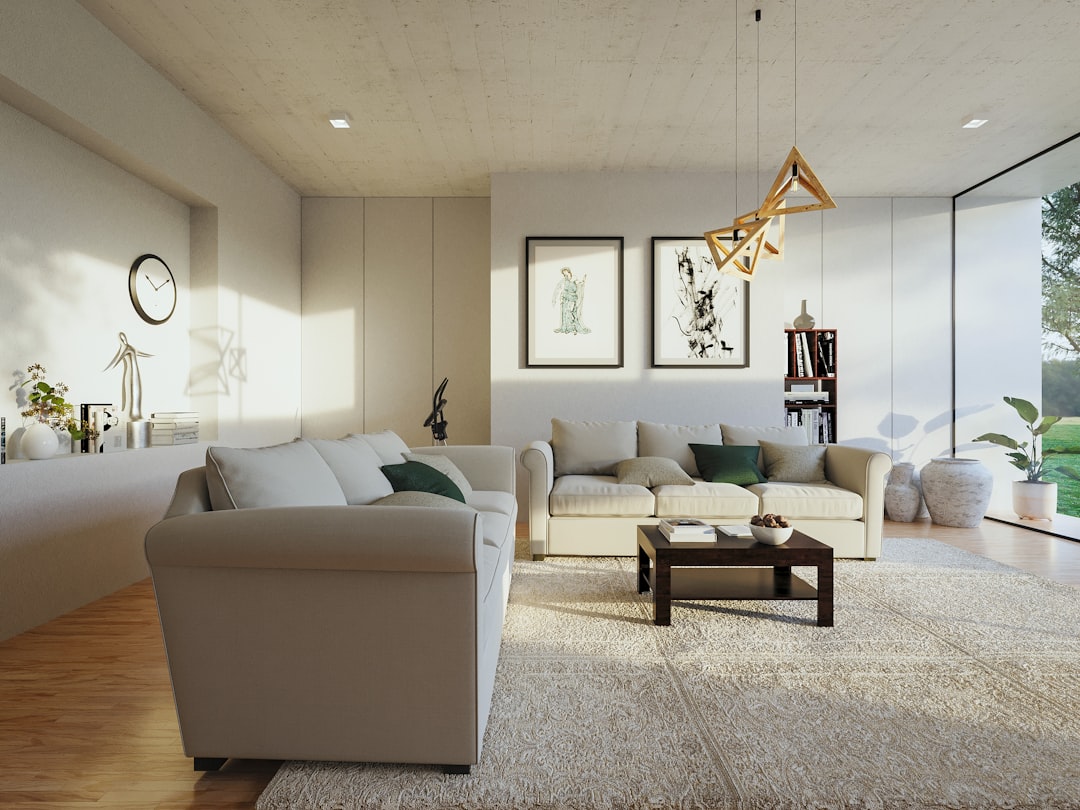
3ds Max is especially popular in architectural visualization and product rendering. It provides robust modeling tools along with compatibility for major rendering engines such as V-Ray and Corona.
Key strengths:
- Parametric and procedural modeling
- Architectural visualization workflows
- Highly detailed material editors
- Support for third-party render engines
Architects and designers use 3ds Max to create realistic interiors, exteriors, and product showcases with remarkable material accuracy.
4. Cinema 4D
Cinema 4D is known for its user-friendly interface combined with powerful rendering capabilities. It is particularly favored in motion graphics and advertising industries.
Key strengths:
- Intuitive workflow
- Excellent motion graphics tools
- High-quality Redshift renderer integration
- Strong integration with creative software suites
Cinema 4D allows artists to create broadcast-ready visuals, stylized animations, and dynamic simulations without excessively steep learning curves.
5. ZBrush
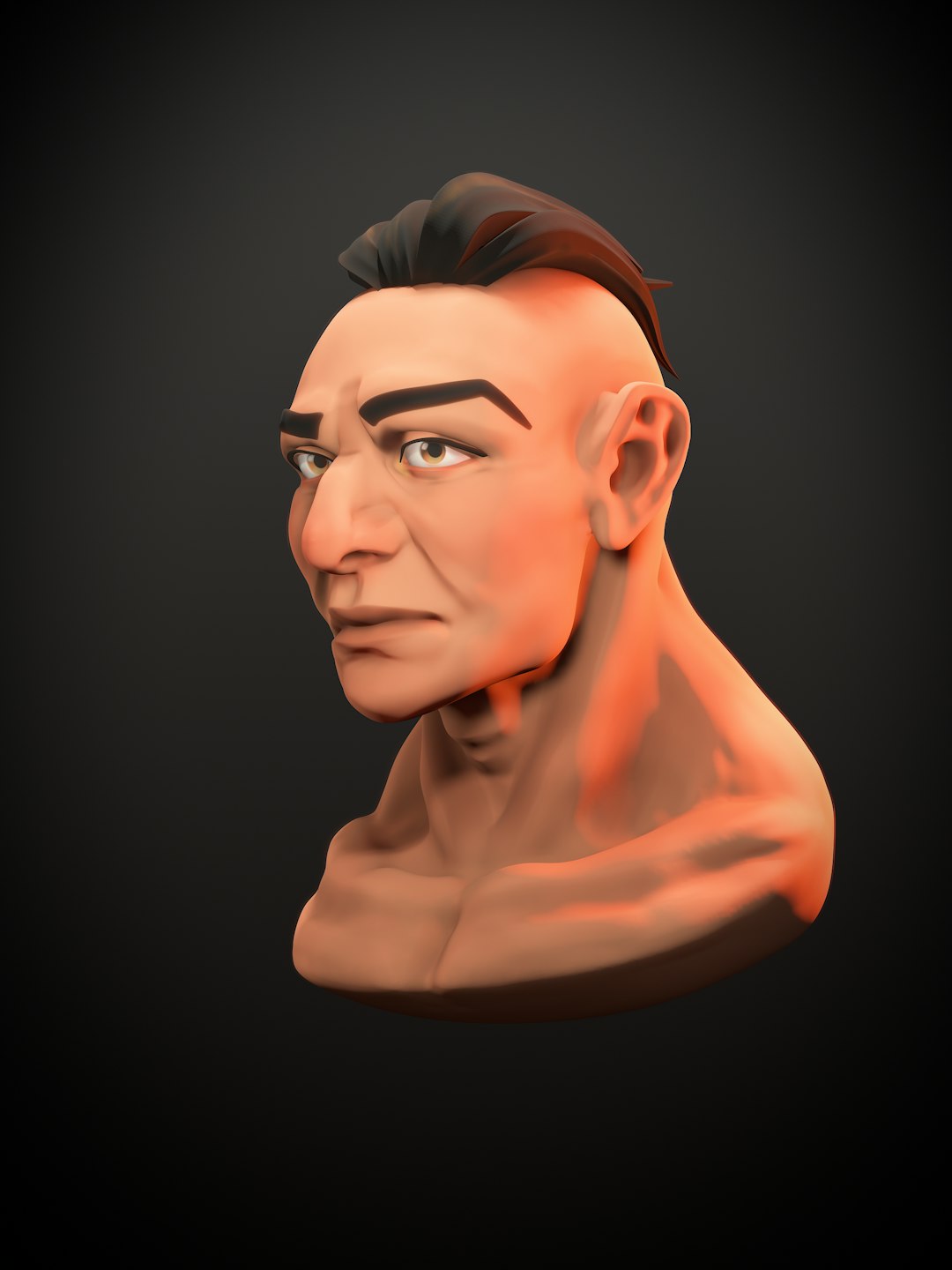
ZBrush is the gold standard in digital sculpting. While not primarily a rendering platform, its ability to generate hyper-detailed models makes it essential for realistic character and creature creation.
Key strengths:
- High-poly sculpting with millions of polygons
- Advanced brush customization
- Micro-detail surface texturing
- Widely used in film and collectibles production
Artists often sculpt highly detailed characters in ZBrush before exporting them to other platforms for rendering and animation.
Comparison Chart of Leading 3D Modeling Platforms
| Platform | Best For | Rendering Engine | Ease of Use | Industry Use |
|---|---|---|---|---|
| Blender | All-around modeling and animation | Cycles, Eevee | Moderate | Film, games, freelancers |
| Autodesk Maya | Film and AAA games | Arnold | Advanced | Hollywood, studios |
| 3ds Max | Architecture and product viz | Arnold, V-Ray | Moderate | Architecture, design firms |
| Cinema 4D | Motion graphics | Redshift | Beginner-friendly | Advertising, media |
| ZBrush | High-detail sculpting | External renderers | Specialized | Film, collectibles |
Key Features That Enhance Visual Quality
Physically Based Rendering (PBR)
PBR ensures materials respond realistically to light. This is crucial for creating believable metals, plastics, fabrics, and skin textures.
Advanced Lighting Systems
Ray tracing and global illumination simulate real-world light behavior, producing natural shadows and reflections.
High-Resolution Texturing
Support for 4K and 8K textures ensures surfaces look detailed even under close inspection.
Simulation Capabilities
Cloth simulation, fluid dynamics, and particle systems enhance realism, especially in cinematic production.
Choosing the Right Platform
Selecting a 3D modeling tool depends largely on project requirements and workflow preferences. Professionals should consider:
- Project type: Animation, architecture, gaming, or product design
- Budget constraints: Free vs. subscription-based platforms
- Learning curve: Beginner-friendly vs. advanced tools
- Rendering needs: Built-in or third-party engine compatibility
- Collaboration capabilities: Studio vs. individual use
For independent creators, Blender offers maximum flexibility at no cost. Studios producing high-budget films may rely on Maya or 3ds Max for their pipelines. Motion graphic artists often gravitate toward Cinema 4D, while character sculptors prefer ZBrush.
The Future of High-Quality 3D Modeling
The next generation of 3D modeling platforms is leveraging AI-assisted workflows, real-time rendering improvements, and cloud-based collaboration. Real-time engines like Unreal Engine are increasingly integrated into modeling pipelines, allowing users to visualize near-final results instantly.
As hardware continues to improve and GPUs become more powerful, the gap between real-time rendering and offline rendering continues to close. This evolution empowers creators to iterate faster while maintaining studio-level visual fidelity.
FAQ
1. Which 3D modeling platform delivers the most realistic renders?
Autodesk Maya and 3ds Max, particularly when paired with renderers like Arnold or V-Ray, are known for exceptionally realistic results. Blender’s Cycles engine also produces highly competitive photorealistic renders.
2. Is Blender good enough for professional work?
Yes. Blender is widely used in professional film, advertising, and game development projects. Its open-source nature does not limit its visual output capabilities.
3. What is the best 3D modeling software for beginners?
Cinema 4D and Blender are often recommended for beginners due to their intuitive interfaces and extensive learning resources.
4. Do these platforms require powerful hardware?
High-quality rendering typically requires a strong GPU and sufficient RAM. Complex simulations and ray tracing benefit significantly from high-performance systems.
5. Can one platform handle modeling, animation, and rendering?
Yes. Platforms like Blender and Maya provide end-to-end workflows that include modeling, animation, texturing, lighting, and rendering.
6. What is the importance of rendering engines in visual quality?
Rendering engines calculate light interactions, reflections, shadows, and material behaviors. A powerful engine significantly enhances the final realism of a 3D scene.
In conclusion, high-quality visual results in 3D modeling depend on a platform’s toolset, rendering engine, and workflow efficiency. By selecting the appropriate software based on specific project needs, creators can produce visually stunning models that meet the ever-growing expectations of modern digital audiences.