Entering the engineering profession as a probationary engineer is both an achievement and a responsibility. This initial career stage serves as a structured transition from academic study to professional practice, where theoretical knowledge is applied to real-world projects under supervision. Organizations use the probation period to evaluate technical competence, professionalism, adaptability, and long-term potential. For aspiring engineers, understanding this phase is critical to navigating it successfully and building a strong foundation for future growth.
TLDR: A probationary engineer is an entry-level professional undergoing structured evaluation and training within an organization. During this period, they support projects, develop technical and soft skills, and demonstrate reliability and ethical conduct. Success depends on competence, teamwork, adaptability, and continuous learning. With proactive effort, the probation phase can accelerate long-term career growth and specialization.
What Is a Probationary Engineer?
A probationary engineer is a newly hired engineering graduate or early-career professional placed under a defined evaluation period, typically lasting between six months and two years. During this time, the engineer works under supervision, gains practical exposure, and demonstrates readiness for independent responsibilities.
This phase is common across various disciplines, including:
- Civil Engineering
- Mechanical Engineering
- Electrical Engineering
- Software Engineering
- Chemical Engineering
- Industrial Engineering
Although specific duties vary across industries, the core objective remains the same: to ensure that the engineer can translate academic foundations into safe, efficient, and professional practice.
Primary Roles of a Probationary Engineer
The role of a probationary engineer is structured yet dynamic. While they are not typically given full decision-making authority, they are expected to contribute meaningfully to projects.
1. Supporting Project Execution
Probationary engineers assist senior staff in planning, designing, implementing, and monitoring projects. Their tasks may include:
- Preparing technical drawings and documentation
- Conducting calculations and simulations
- Collecting and analyzing field data
- Supporting testing and quality assurance procedures
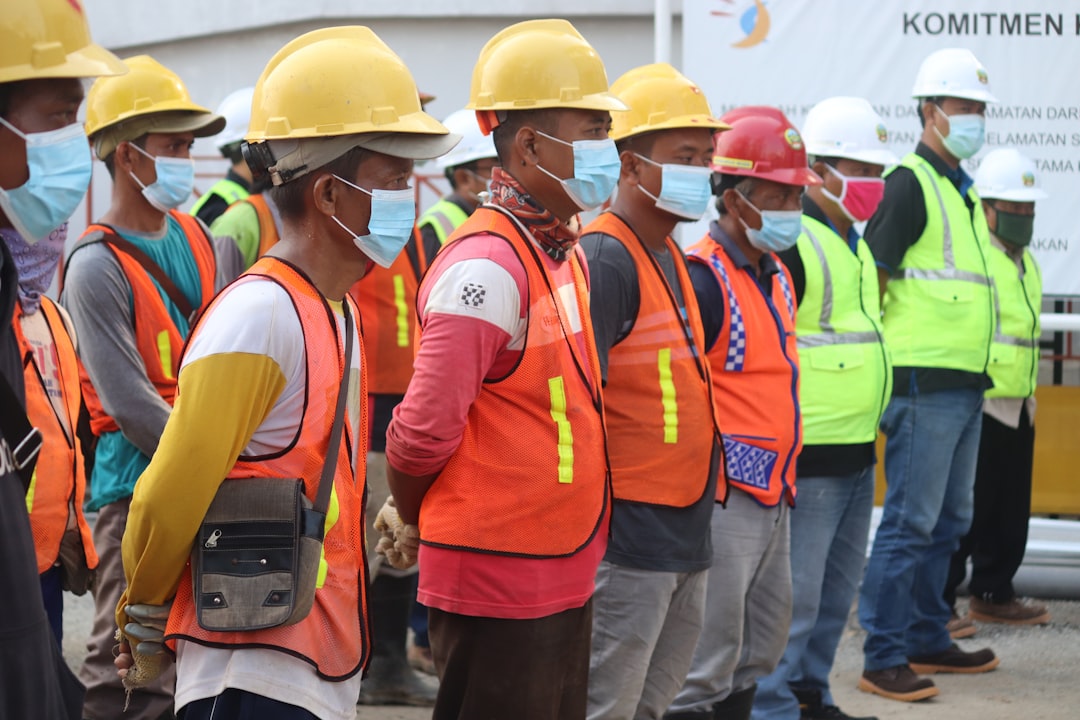
This hands-on involvement enables them to understand workflows, safety standards, and project timelines.
2. Learning Organizational Processes
Beyond technical tasks, probationary engineers must familiarize themselves with:
- Company policies and compliance requirements
- Regulatory standards and legal obligations
- Documentation and reporting systems
- Project management methodologies
This procedural awareness is critical to maintaining consistency, accountability, and regulatory compliance.
3. Collaborating with Multidisciplinary Teams
Engineering projects rarely operate in isolation. Probationary engineers work alongside technicians, managers, suppliers, contractors, and clients. Effective collaboration requires:
- Clear communication
- Active listening
- Documentation skills
- Professional conduct
Learning how to function within diverse teams is a fundamental aspect of professional development.
Core Responsibilities During the Probation Period
While roles describe what a probationary engineer does, responsibilities describe what they are accountable for. Employers expect consistent performance in several critical areas.
Technical Accuracy
Engineering decisions affect safety, cost, and quality. Even under supervision, probationary engineers must:
- Verify calculations carefully
- Follow established design codes
- Double-check documentation
- Report inconsistencies promptly
Precision builds trust and reduces risk.
Ethical Conduct
Integrity is central to the profession. Probationary engineers are responsible for:
- Adhering to professional ethical standards
- Avoiding conflicts of interest
- Ensuring transparency in reporting
- Maintaining confidentiality
Professional credibility begins at this early stage.
Time Management
Meeting deadlines is essential in engineering environments where schedules directly influence budgets and deliverables. Effective probationary engineers:
- Prioritize tasks strategically
- Maintain organized records
- Communicate delays early
Continuous Learning
The engineering field evolves rapidly through emerging technologies, regulations, and methodologies. A probationary engineer must demonstrate a commitment to:
- Technical skill enhancement
- Software proficiency
- Industry certification preparation

Skills Required for Success
To transition successfully from probationary to full professional status, certain competencies must be cultivated.
Technical Skills
- Engineering software proficiency
- Data analysis capability
- Understanding of safety standards
- Knowledge of industry codes
Soft Skills
- Communication and presentation skills
- Problem-solving mindset
- Adaptability
- Team collaboration
- Critical thinking
Technical expertise builds functionality; soft skills build leadership potential.
Performance Evaluation During Probation
The probation period is structured around formal and informal performance assessments. Supervisors evaluate engineers on criteria such as:
- Quality of work output
- Initiative and ownership
- Response to feedback
- Professional behavior
- Ability to work independently
Regular review meetings provide an opportunity to discuss strengths and identify improvement areas. Constructive feedback should be actively sought rather than passively received. Successful engineers treat evaluations as developmental tools rather than judgment mechanisms.
Challenges Commonly Faced
The transition from academic education to industry practice often brings challenges.
Bridging Theory and Practice
Engineering education emphasizes theory, while industry focuses on application. Adapting to practical constraints such as budget limits, material availability, and regulatory approvals can be demanding.
Managing Pressure
Project deadlines, stakeholder expectations, and operational risks may create stress. Developing resilience and structured problem-solving strategies is essential.
Building Confidence
New engineers may hesitate to ask questions. However, appropriate inquiry demonstrates responsibility rather than weakness. Engaging proactively with mentors accelerates learning.

Career Development Path After Probation
Successfully completing the probation period opens multiple professional pathways.
Confirmation as a Full Engineer
The most immediate outcome is confirmation in the role with expanded responsibilities. Engineers may begin leading small project components or supervising junior staff.
Professional Licensing
In many jurisdictions, engineers progress toward professional licensure or chartered status. The probation period often counts toward the experience requirements needed for certification exams.
Specialization
Engineers may choose to specialize in areas such as:
- Structural analysis
- Project management
- Renewable energy systems
- Automation and robotics
- Software architecture
Specialization enhances expertise and increases long-term earning potential.
Leadership Track
Engineers who demonstrate strong communication and strategic thinking abilities may transition into supervisory or managerial roles, including:
- Project Manager
- Operations Manager
- Technical Lead
- Engineering Consultant
Strategies for Long-Term Success
Probationary engineers seeking sustained career growth should adopt structured strategies.
Seek Mentorship
Mentors provide technical guidance, professional insights, and networking access. Observing experienced engineers accelerates professional maturity.
Document Achievements
Maintaining records of:
- Projects contributed to
- Technical challenges resolved
- Process improvements initiated
is crucial for performance reviews and future promotions.
Invest in Continuing Education
Certifications, workshops, and postgraduate studies enhance credibility and competitiveness.
Develop Professional Reputation
Reliability, integrity, and solution-focused behavior form the basis of a strong professional reputation, which often influences career progression more than technical ability alone.
Conclusion
The role of a probationary engineer represents far more than an introductory job title; it is a foundational stage that shapes the trajectory of an engineering career. During this structured evaluation period, individuals demonstrate their ability to apply knowledge, uphold ethical standards, collaborate effectively, and adapt to professional expectations. Success requires technical precision, disciplined work habits, openness to feedback, and commitment to continuous improvement.
Those who approach probation with seriousness and strategic intent often emerge stronger, more confident, and better prepared for complex responsibilities. With discipline, mentorship, and sustained learning, the probationary phase becomes not merely a trial period, but a powerful launching point into a respected and rewarding engineering profession.