
As video continues to dominate the digital landscape, developers are under increasing pressure to build streaming infrastructures that are scalable, reliable, and cost-efficient. While Mux is a popular choice for video streaming workflows, it is far from the only option available. Many development teams explore alternatives that offer greater customization, improved pricing flexibility, or better control over performance and infrastructure. Choosing the right platform often depends on project scale, global reach, compliance requirements, and desired feature sets.
TLDR: Developers looking beyond Mux for scalable streaming infrastructure often prioritize flexibility, pricing transparency, and infrastructure control. Platforms such as Cloudflare Stream, Vimeo, Brightcove, AWS Elemental Media Services, and Wowza offer diverse capabilities across live and on-demand video workflows. Some teams also turn to open-source solutions or fully custom AWS and GCP builds for maximum scalability. The best solution ultimately depends on scale, technical expertise, and long-term growth plans.
Below are seven tools developers frequently consider instead of Mux when building scalable video streaming infrastructure.
1. Cloudflare Stream
Cloudflare Stream combines video storage, encoding, and global delivery into a single workflow. Developers appreciate its simplicity and integration with Cloudflare’s broader CDN and security ecosystem.
Key Advantages:
- Integrated global CDN delivery
- Built-in DDoS protection and security tools
- Simple pricing model based on storage and minutes delivered
- Low-latency streaming capabilities
For teams already using Cloudflare for DNS, security, or performance optimization, Stream offers seamless scalability without significant overhead.

2. Vimeo OTT & Vimeo Video API
Vimeo has evolved into a powerful platform catering to businesses that need reliable video hosting combined with monetization tools. Its OTT offering supports subscription, transactional, and advertising-based streaming models.
Why developers consider it:
- Strong API access for customization
- Built-in monetization features
- Reliable global playback
- Advanced audience analytics
While Vimeo may not offer the raw infrastructure-level flexibility of cloud-native builds, it significantly reduces development overhead for businesses focused on quick deployment.
3. Brightcove
Brightcove is an enterprise-grade video platform known for its reliability and global delivery network. It is often chosen by large media organizations and corporations with strict compliance requirements.
Notable Features:
- Enterprise security and DRM
- Advanced analytics and engagement tracking
- Server-side ad insertion (SSAI)
- Multi-device playback support
Brightcove excels in environments where governance, security, and advanced monetization capabilities are critical.
4. AWS Elemental Media Services
Amazon Web Services provides a suite of media tools under AWS Elemental, enabling developers to build fully customized and highly scalable streaming architectures.
Core Components:
- AWS Elemental MediaLive for live encoding
- MediaConvert for file-based processing
- MediaPackage for packaging and origination
- CloudFront for global CDN delivery
This approach gives developers granular control over pipelines and scaling logic. However, it requires strong DevOps expertise.
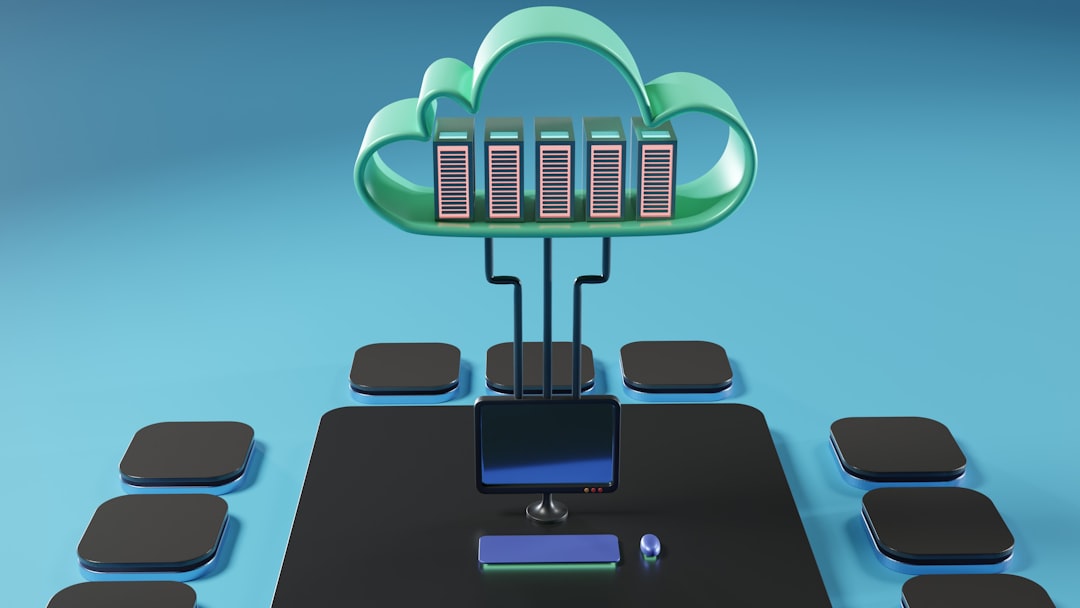
Teams seeking maximum scalability and cost optimization often prefer building directly on AWS infrastructure rather than using fully managed video platforms.
5. Wowza
Wowza offers both on-premise streaming software and cloud-based streaming services. It is particularly popular for custom live streaming applications.
Highlights:
- Support for ultra-low latency streaming
- Flexible deployment models
- Extensive protocol support
- Strong developer tools
Wowza appeals to teams building niche streaming solutions such as webinars, gaming streams, or real-time surveillance systems.
6. Google Cloud Media Solutions
Google Cloud offers a suite of video-focused services, including Transcoder API, Media CDN, and Video Intelligence API. Developers who favor GCP infrastructure often integrate these tools into custom-built streaming pipelines.
Benefits include:
- AI-powered video indexing and analytics
- Scalable transcoding performance
- Enterprise-grade infrastructure
- Deep integration with other Google services
This option is ideal for teams seeking machine-learning-enhanced video analytics or operating within the Google Cloud ecosystem.
7. Open-Source and Custom Infrastructure (e.g., Nginx RTMP, Kubernetes-Based Builds)
Some developers choose to avoid fully managed platforms entirely. By leveraging open-source tools like Nginx RTMP, FFmpeg, or containerized workflows on Kubernetes, they maintain complete control over streaming operations.
Common components include:
- FFmpeg for encoding and transcoding
- Nginx RTMP module for streaming ingestion
- Kubernetes for orchestration
- Third-party CDNs for global delivery
This approach maximizes flexibility but requires significant maintenance, monitoring, and infrastructure expertise. It is typically adopted by large-scale streaming platforms or teams with robust DevOps capabilities.
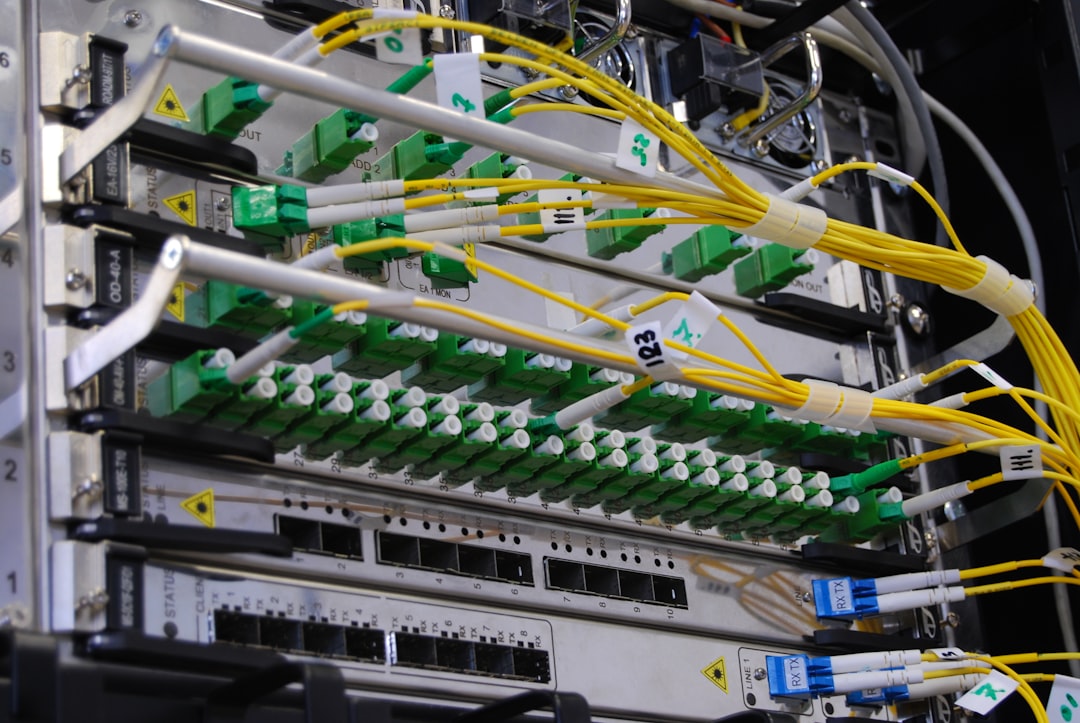
Comparison Chart: Mux Alternatives for Scalable Streaming
| Platform | Best For | Scalability | Customization Level | Built-In Monetization |
|---|---|---|---|---|
| Cloudflare Stream | Fast global deployment | High | Moderate | Limited |
| Vimeo OTT | Subscription platforms | High | Moderate | Strong |
| Brightcove | Enterprise media | Very High | Moderate | Advanced |
| AWS Elemental | Custom infrastructure | Very High | Very High | Custom-built |
| Wowza | Low-latency streaming | High | High | Limited |
| Google Cloud Media | AI-powered workflows | Very High | Very High | Custom-built |
| Open Source Stack | Full control builds | Depends on setup | Maximum | Custom-built |
How Developers Choose the Right Alternative
When exploring alternatives to Mux, developers typically evaluate several criteria:
- Traffic Volume: Projected viewership growth and peak concurrency.
- Latency Requirements: Whether the content is live, interactive, or on-demand.
- Budget Constraints: Transparent pricing models and cost predictability.
- Security Needs: DRM, compliance standards, and geo-restrictions.
- Internal Expertise: Available DevOps and cloud engineering resources.
No single platform universally outperforms the others. Instead, the decision hinges on aligning business objectives with technical capabilities.
Frequently Asked Questions (FAQ)
1. Why do developers look for alternatives to Mux?
Developers may seek alternatives due to pricing concerns, the need for deeper customization, specific compliance requirements, or integration preferences with AWS, Google Cloud, or other ecosystems.
2. Which alternative offers the most control?
AWS Elemental, Google Cloud Media solutions, and open-source stacks provide the highest level of control. However, they also require more technical expertise and active infrastructure management.
3. What is the best option for startups?
Cloudflare Stream and Vimeo are often considered startup-friendly due to straightforward pricing and simplified workflows.
4. Are open-source solutions scalable?
Yes, but scalability depends entirely on implementation. Proper orchestration, CDN integration, and monitoring systems are essential for maintaining performance at scale.
5. Which platform is best for live streaming?
Wowza and AWS Elemental are frequently chosen for live streaming scenarios due to their low-latency capabilities and customizable live pipelines.
6. How important is CDN integration?
CDN integration is critical for global scalability. It reduces buffering, enhances playback quality, and ensures consistent user experience across geographic regions.
By carefully analyzing project requirements, traffic patterns, and long-term scalability goals, development teams can confidently choose a streaming infrastructure that aligns with their technical and business objectives.