Adobe Firefly has quickly positioned itself as a powerful generative AI tool for image creation, design assistance, and creative exploration. However, it is not the only solution available for professionals and businesses seeking AI-driven graphic design tools. Whether due to pricing, feature preferences, workflow compatibility, or licensing considerations, many designers are actively exploring alternatives that offer comparable—or in some cases superior—capabilities.
TLDR: While Adobe Firefly is a strong AI design platform, several alternatives offer competitive generative tools, flexible pricing, and unique strengths. Midjourney excels at artistic rendering, Canva AI is ideal for fast marketing visuals, DALL·E provides versatility through OpenAI integration, Runway stands out for video creativity, and Leonardo AI offers strong customization for creatives. Choosing the right tool depends on workflow needs, output control, and licensing priorities.
Below is a closer look at five serious Adobe Firefly alternatives for graphic design and digital creativity, along with a comparison chart to help guide your decision.
1. Midjourney
Midjourney has established itself as one of the most respected AI image generation platforms available today. Known for producing highly detailed, stylistically rich artwork, it is especially popular among illustrators, concept artists, marketing creatives, and digital storytellers.
Key Strengths:
- Exceptional artistic rendering with distinctive visual styles
- Advanced prompt interpretation with nuanced outputs
- Strong community-driven inspiration and iteration
- Frequent improvements to rendering quality
Midjourney operates primarily through Discord, which may feel unconventional to some professionals accustomed to traditional design interfaces. However, the workflow is efficient once mastered. Designers can iterate quickly, refine prompts, and upscale results with relative ease.
Limitations: It lacks built-in layout tools and direct integration with design suites like Adobe Creative Cloud. It is best used as a standalone idea and asset generator rather than a complete design platform.
Best for: Concept art, editorial illustrations, branding experiments, and visually striking campaign imagery.
2. Canva AI (Magic Studio)
Canva has evolved far beyond a simple drag-and-drop design tool. With its AI-powered Magic Studio features, it now competes directly in the generative design space. For marketing teams, startups, and small businesses, Canva AI represents one of the most accessible alternatives to Firefly.
Key Strengths:
- Seamless integration with templates, layouts, and publishing tools
- AI text-to-image and AI writing assistance
- Background removal and smart resizing
- Intuitive interface suitable for non-designers
Unlike Midjourney, Canva places generative AI within an integrated ecosystem, allowing users to immediately place generated assets into presentations, social media posts, ads, and promotional materials.

Limitations: While capable, Canva’s image generation may not always match the artistic depth or complexity of more specialized AI art platforms. Professionals seeking highly stylized results may find it somewhat constrained.
Best for: Marketing teams, social media managers, entrepreneurs, and businesses needing fast production workflows.
3. DALL·E (via OpenAI)
DALL·E remains one of the foundational models in text-to-image AI technology. Integrated into various platforms and accessible via API, it offers flexibility for businesses and developers alike. Unlike Firefly, which is tightly integrated with Adobe’s ecosystem, DALL·E provides broader adaptability.
Key Strengths:
- Strong prompt accuracy and contextual understanding
- API access for workflow automation
- Reliable object composition and scene coherence
- Editing capabilities such as inpainting and image expansion
Organizations looking to integrate AI image generation directly into internal systems, apps, or services often prefer DALL·E because of its development-friendly infrastructure. It enables scalable creative experimentation without requiring a full design platform shift.
Limitations: It is not bundled with advanced layout or publishing tools. Users typically combine it with external software for complete design projects.
Best for: Developers, startups building AI-enabled tools, agencies automating content creation pipelines.
4. Runway
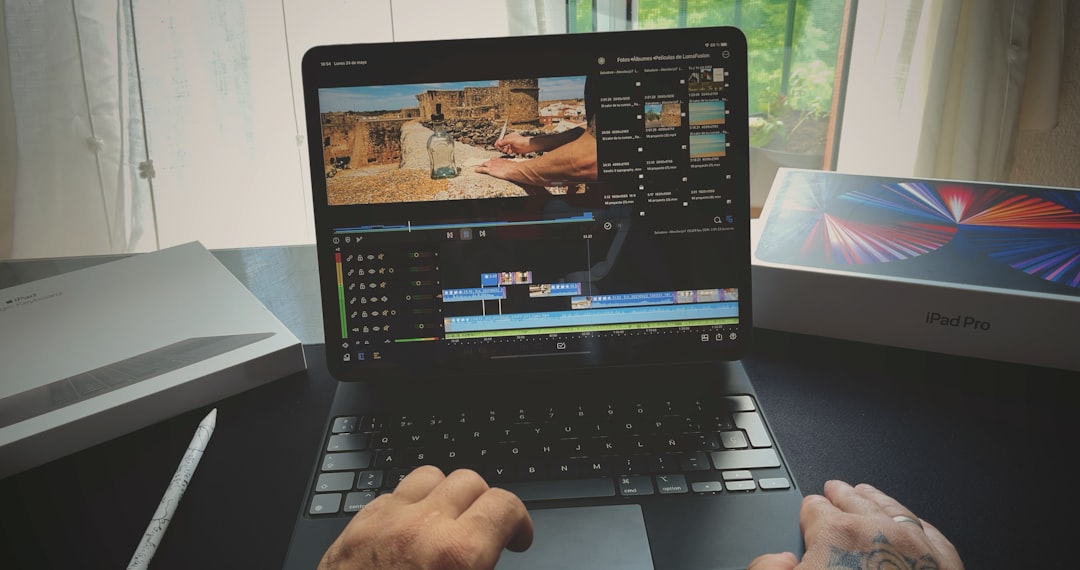
Runway distinguishes itself by focusing heavily on AI video generation and motion design. For creators whose work extends beyond static images, Runway provides capabilities that exceed what Adobe Firefly currently offers in animation and cinematic workflows.
Key Strengths:
- Text-to-video and image-to-video generation
- AI-powered background removal for video
- Motion tracking and scene manipulation
- Collaborative cloud-based editing
Runway is especially relevant for digital creators working in advertising, filmmaking, YouTube production, or branded motion content. Its generative fill tools for video open creative directions not possible with many image-only platforms.
Limitations: While its image generation is capable, Runway’s primary strength lies in video. Purely static graphic designers may not need its more advanced motion features.
Best for: Video creators, creative directors, agencies producing short-form video campaigns.
5. Leonardo AI
Leonardo AI has gained attention among professionals seeking greater control over generative outputs. It provides robust customization options, model training flexibility, and style tuning that can appeal to advanced digital artists.
Key Strengths:
- Fine-tuned model customization
- Consistent character and asset generation
- Creative community resources
- Emphasis on game assets and concept development
For game designers, NFT creators, and entertainment professionals, Leonardo AI offers structured tools for maintaining stylistic consistency across projects. This consistency can be critical in brand storytelling or serialized visual projects.
Limitations: It may involve a steeper learning curve than Canva or Firefly for beginners.
Best for: Game designers, character artists, creative professionals prioritizing stylistic control.
Comparison Chart: Adobe Firefly Alternatives
| Platform | Primary Strength | Ease of Use | Best For | Video Capabilities | API Access |
|---|---|---|---|---|---|
| Midjourney | High artistic quality | Moderate | Illustrations, concept art | No | No |
| Canva AI | Integrated marketing workflows | Very Easy | Social media, branding | Limited | No |
| DALL·E | Flexible integration | Moderate | Developers, agencies | No | Yes |
| Runway | AI video generation | Moderate | Filmmakers, content creators | Yes | Limited |
| Leonardo AI | Customization and consistency | Moderate | Game design, digital art | No | Limited |
How to Choose the Right Alternative
Selecting an Adobe Firefly alternative should not be based solely on image quality. Instead, consider the following factors:
- Workflow Integration: Does it fit into your existing toolset?
- Licensing and Commercial Rights: Are outputs safe for client work?
- Scalability: Can it support growing production demands?
- Learning Curve: How quickly can your team adopt it?
- Output Control: Does it allow fine-tuning for brand consistency?
For enterprise teams embedded in Adobe’s environment, Firefly may still feel natural. However, independent creatives and agile agencies often benefit from pairing specialized AI tools rather than relying on a single ecosystem.
Final Thoughts
The generative AI landscape is evolving rapidly. Adobe Firefly is a credible and capable platform, particularly for those already invested in Creative Cloud. Yet it is not a singular solution. Midjourney provides unparalleled artistic flair; Canva AI simplifies branded content production; DALL·E ensures flexible integration; Runway leads in video innovation; and Leonardo AI enhances creative precision.
Serious designers and creative teams increasingly adopt a hybrid strategy—combining two or more of these tools to maximize strengths while minimizing limitations. In doing so, they build workflows that are not only efficient but strategically resilient.
Ultimately, the best alternative depends on your creative goals, technical requirements, and long-term scalability plans. A deliberate evaluation will ensure that your AI-powered design toolkit strengthens—not complicates—your creative operations.