Personal knowledge management (PKM) has evolved significantly in recent years. What began as simple note-taking has transformed into sophisticated, interconnected systems that mirror the way the human brain forms associations. Graph-style PKM tools take this evolution even further by allowing users to visualize ideas as networks, revealing relationships, knowledge gaps, and hidden patterns that linear notes often conceal.
TL;DR: Graph-style PKM tools help you connect ideas visually, improving clarity, creativity, and long-term knowledge retention. The best platforms combine powerful graph views with flexible note structures, backlinks, and bidirectional linking. AFFiNE, Capacities, Logseq, Obsidian, and Heptabase stand out in 2026 for usability, scalability, and thoughtful design. Choosing the right one depends on your workflow, technical comfort, and collaboration needs.
Below are five of the most reliable and forward-thinking graph-style PKM tools available today.
1. AFFiNE
AFFiNE is an open-source, modern workspace that blends documents, whiteboards, and databases into a unified knowledge hub. What makes it particularly compelling is its hybrid approach: you can switch seamlessly between structured documents and visual canvases without breaking context.
The platform integrates a graph-based structure underneath its documents. Notes link bidirectionally, allowing users to navigate relationships organically. While its graph visualization is not as immediately dominant as in some competitors, AFFiNE’s architectural foundation is built for interconnected thinking.
Key strengths of AFFiNE include:
- Open-source transparency, offering long-term reliability and data ownership.
- All-in-one environment combining docs, whiteboards, and knowledge maps.
- Local-first capabilities with cloud sync options.
- Clean and minimal interface that reduces cognitive overload.
AFFiNE is particularly well-suited for professionals who want a flexible workspace without being locked into proprietary ecosystems. Its roadmap suggests deeper knowledge graph capabilities in upcoming releases, making it a strong future-oriented choice.
2. Capacities
Capacities positions itself not merely as a note-taking app but as an object-based knowledge system. Instead of traditional folders or static pages, you create objects (ideas, people, books, projects) and define how they relate to one another.
This structure makes its graph view highly intuitive. Rather than connecting random notes, you build a semantic network of meaningful entities. The result feels more like a personal knowledge database than a note archive.
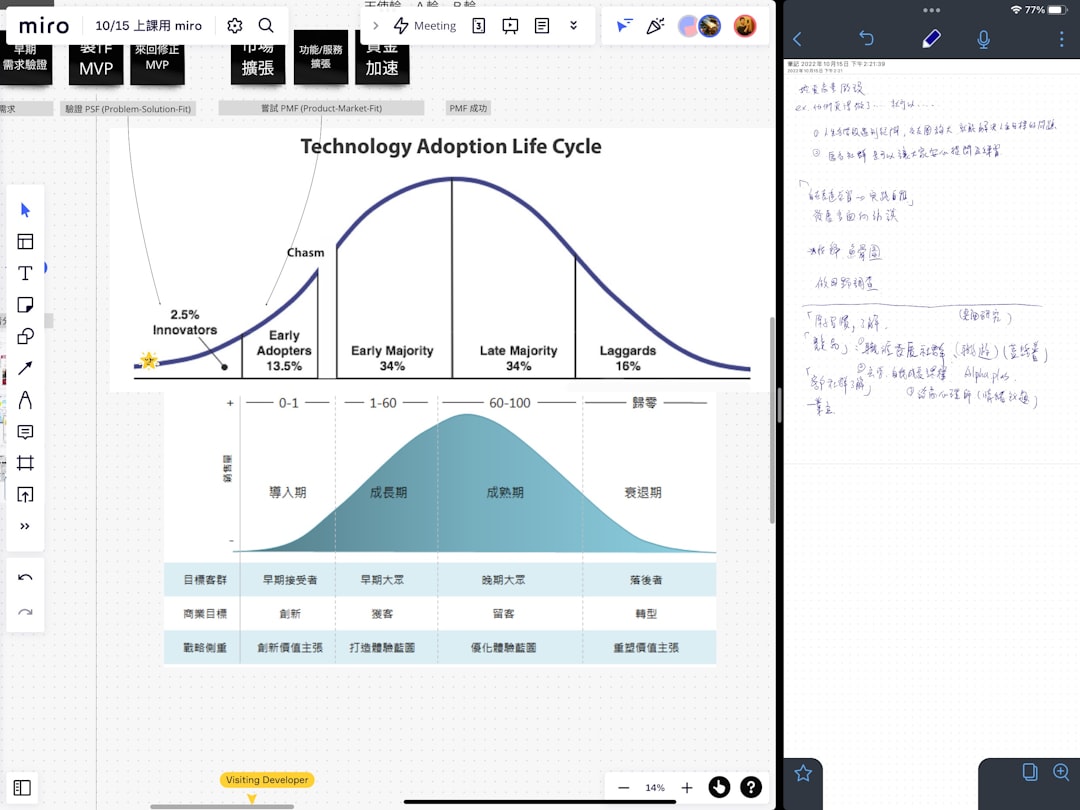
Why Capacities stands out:
- Object-oriented architecture encourages structured thinking.
- Visual graph view with clear node differentiation.
- Built-in media embedding and daily note workflows.
- Balanced simplicity and power, ideal for knowledge workers.
Capacities is especially strong for researchers, consultants, and students who manage diverse information types. The visual network becomes more meaningful over time as your object relationships expand.
3. Obsidian
Obsidian remains one of the most mature and widely adopted graph-style PKM tools. Built around markdown files stored locally, it emphasizes data ownership, extensibility, and modularity.
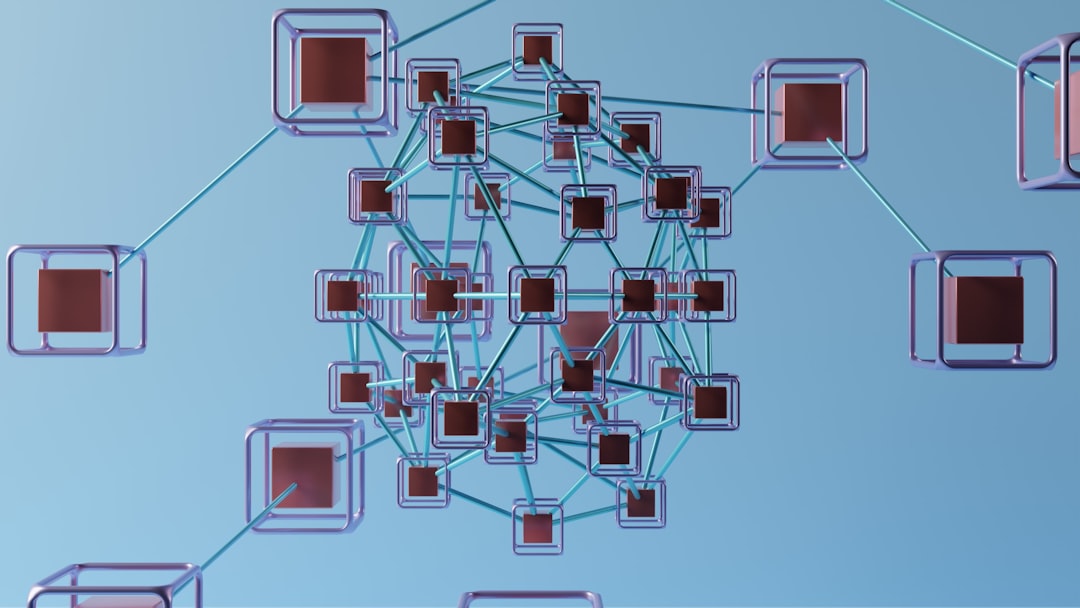
The hallmark feature is its interactive graph view. Each note becomes a node, and every backlink forms an edge. Users can zoom into clusters, filter by tags, and visually analyze how knowledge segments connect.
Major advantages of Obsidian:
- Extensive plugin ecosystem for customization.
- Powerful backlinking and tagging system.
- Local-first storage with optional encrypted sync.
- Advanced graph filters and community-driven enhancements.
Obsidian is best suited for technically inclined users who appreciate customization. Academics, writers, and developers often favor it due to its extensibility and long-term file portability.
However, beginners may experience a steeper learning curve compared to more guided platforms like Capacities.
4. Logseq
Logseq combines outliner-based note-taking with robust graph visualization. Its structure is deeply aligned with the concept of networked thought, as every bullet point can be linked, referenced, or embedded across notes.
Unlike more page-centric tools, Logseq operates around daily journals and block references. This granular linking approach produces a dense and highly expressive graph over time.
Notable features include:
- Block-level referencing, offering precise knowledge connections.
- Strong support for spaced repetition and task management.
- Open-source foundations.
- Visual graph exploration tools.
Logseq appeals strongly to researchers, engineers, and knowledge enthusiasts who prefer structured outlines over freeform documents. It may feel intense for casual users, but its intellectual rigor rewards consistent use.
5. Heptabase
Heptabase takes a spatial approach to knowledge management. Instead of focusing solely on node-link graphs, it allows users to arrange notes visually on whiteboards, creating clusters and conceptual groupings.
While it offers network visualization, its strength lies in spatial sensemaking. You can see ideas arranged contextually rather than only connected abstractly.
Core strengths of Heptabase:
- Visual whiteboard-based organization.
- Card-style atomic notes.
- Strong support for research-heavy workflows.
- Clear visual grouping of related topics.
This makes Heptabase particularly effective for academic research, long-form writing, and complex problem-solving where understanding thematic clusters matters more than seeing global backlink density.
Why Graph-Based PKM Matters
Linear note hierarchies often fail because human thinking is associative. When ideas live in isolated folders, they become harder to rediscover and integrate. Graph-style PKM tools help reveal:
- Hidden relationships between previously unrelated ideas.
- Knowledge silos within your system.
- High-density clusters pointing to expertise zones.
- Weakly connected notes that may need development.
Over time, your knowledge graph becomes a visual representation of your intellectual growth. It serves not only as a storage system but as an evolving cognitive map.
How to Choose the Right Tool
Each of the five tools discussed excels under different conditions. To select the best option, consider the following criteria:
- Data ownership: Do you prefer local-first storage?
- Ease of use: Are you willing to invest in learning advanced systems?
- Visualization depth: Do you want detailed graph analytics or spatial sensemaking?
- Collaboration: Will you work solo or in teams?
If you value openness and flexibility, AFFiNE and Logseq are compelling. If visual semantic networks matter most, Capacities provides an elegant balance. For customization enthusiasts, Obsidian remains unmatched. If spatial research organization is central to your workflow, Heptabase may offer the clearest cognitive interface.
Final Thoughts
The rise of graph-style PKM tools reflects a broader shift in how professionals approach knowledge. Instead of merely collecting information, modern systems emphasize connection, synthesis, and insight generation.
No single platform is universally superior. The most effective choice depends on your working style, long-term goals, and tolerance for complexity. What unites these five tools is a shared philosophy: knowledge becomes more valuable when it is connected.
In 2026, visualizing ideas as networks is not a novelty. It is increasingly becoming the standard for serious thinkers who want their digital systems to mirror the structure of their minds.