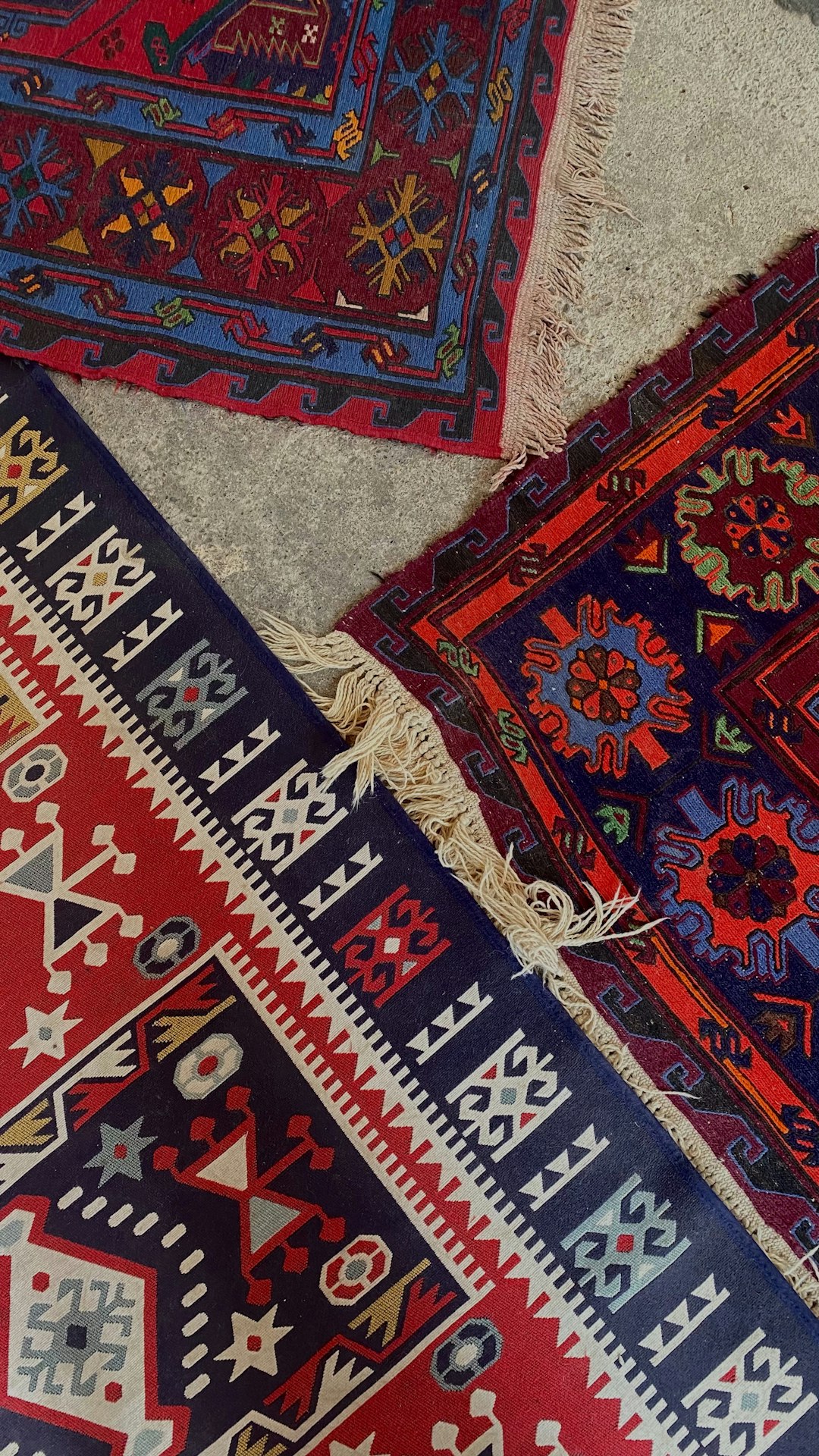
In the rich tapestry of Turkish culture, there are countless patterns, colors, and textures. But at the heart of it, there’s one invisible thread that ties it all together: Evırı. It’s a concept that binds people, traditions, and values. Let’s take a fun and easy journey to understand what Evırı is, and why it’s so important in Turkey.
TLDR: What is Evırı?
Evırı is more than a word — it’s a feeling, a shared spirit. It means coming together, standing united, and helping one another. In Turkish culture, Evırı is about community, hospitality, and never leaving anyone behind. It shows up in everyday life, festivals, crafts, and even tea time.
What Does “Evırı” Mean?
Evırı (pronounced “eh-vuh-ruh”) doesn’t have a direct translation in many languages. At its core, it’s all about unity and belonging.
It means:
- Supporting your neighbors
- Sharing meals
- Celebrating together
- Helping each other in hard times
This idea has been part of Turkish life for centuries. From the villages of Anatolia to the busy streets of Istanbul, people live by the spirit of Evırı. It’s that cozy, warm, and fuzzy feeling you get when everyone pitches in and no one is left out.
Why Does Evırı Matter?
Turkey has always been a place full of diversity. People from different backgrounds — Kurds, Turks, Laz, Armenians, Arabs, and many others — live side by side here. With so many voices and stories, Evırı acts like a bridge. It holds the country’s heart together.
Imagine a patchwork quilt. Each piece is unique, but stitched together with love, it becomes something beautiful and whole. That stitching? That’s Evırı!
This idea appears in many areas of Turkish culture – cooking, music, storytelling, and even architecture.
Evırı in Daily Turkish Life
Let’s see how it shows up in everyday life:
- Tea Time: Visitors are always offered tea. Always.
- Sharing Food: At dinner, the phrase “Come join us” is common, even to strangers.
- Helping Hands: Need to move a couch? A dozen neighbors might show up to help.
These small acts build a circle of care. That circle is how communities stay strong.
Evırı in Turkish Art and Craft
Evırı also lives in art. Turkish weavers, for example, create some of the most beautiful carpets in the world. The patterns may differ by region, but the goal is the same — to reflect unity through design. Every color, knot, and symbol has meaning.
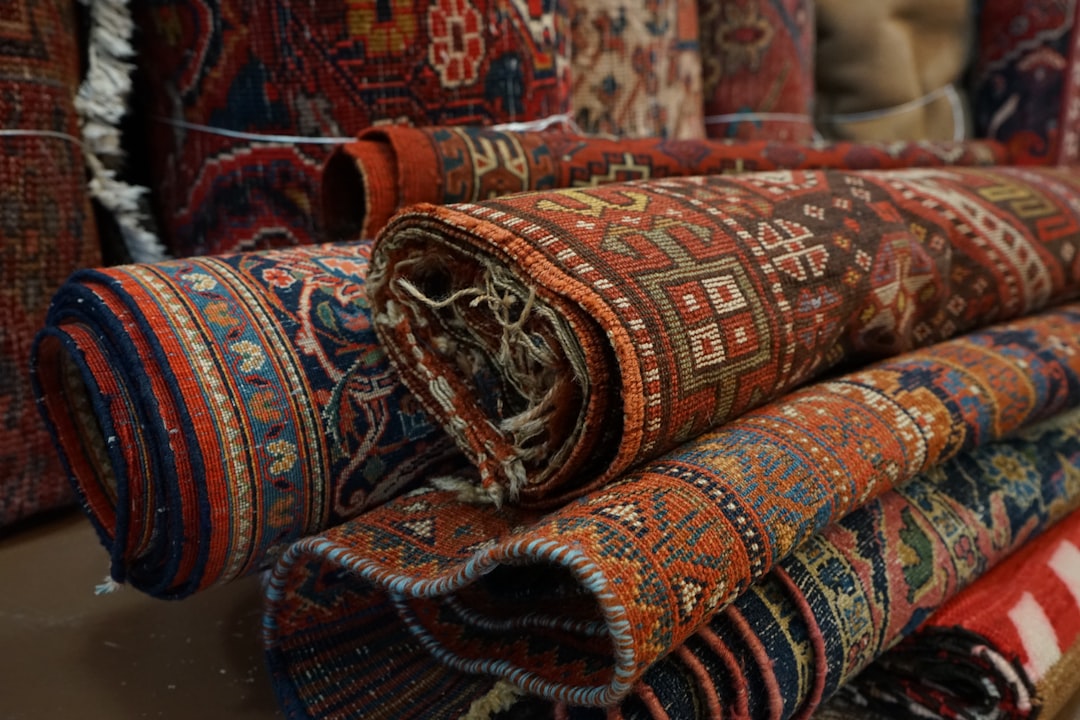
Even in calligraphy, ceramics, and embroidery, artists infuse their work with stories of togetherness. These crafts are often taught by elders to the young, keeping the bond alive from one generation to the next.
Festivals That Celebrate Evırı
Turkish festivals are like a big group hug. They’re full of color, laughter, and food. Most of all, they bring people together.
Some of the best examples:
- Hıdırellez: Celebrated in May, marking the arrival of spring and shared wishes for luck.
- Kurban Bayramı (Feast of Sacrifice): A time for generosity, where meat is shared with the poor and neighbors.
- Ramazan: Families and friends gather for iftar dinners each night after fasting.
At these festivals, food is not just for yourself — it’s meant to be shared. Sharing is caring, and caring is… you guessed it: Evırı.
Evırı in Turkish Proverbs and Sayings
Turkish language is full of sweet, wise sayings about togetherness. Here are a few to make you smile:
- “Bir elin nesi var, iki elin sesi var.”
Translation: One hand has no power, two hands make noise. Teamwork matters! - “Komşu komşunun külüne muhtaçtır.”
Translation: A neighbor even needs the ashes of another neighbor. Everyone needs someone. - “Paylaşmak çoğalmaktır.”
Translation: To share is to multiply. Love and joy grow when shared.
How Evırı Builds Resilience
Life isn’t always easy. But Evırı helps people bounce back. When there’s an earthquake, economic struggle, or tough times, Turkish people come together. Villages collect food. Cities send volunteers. Strangers help each other just like family.
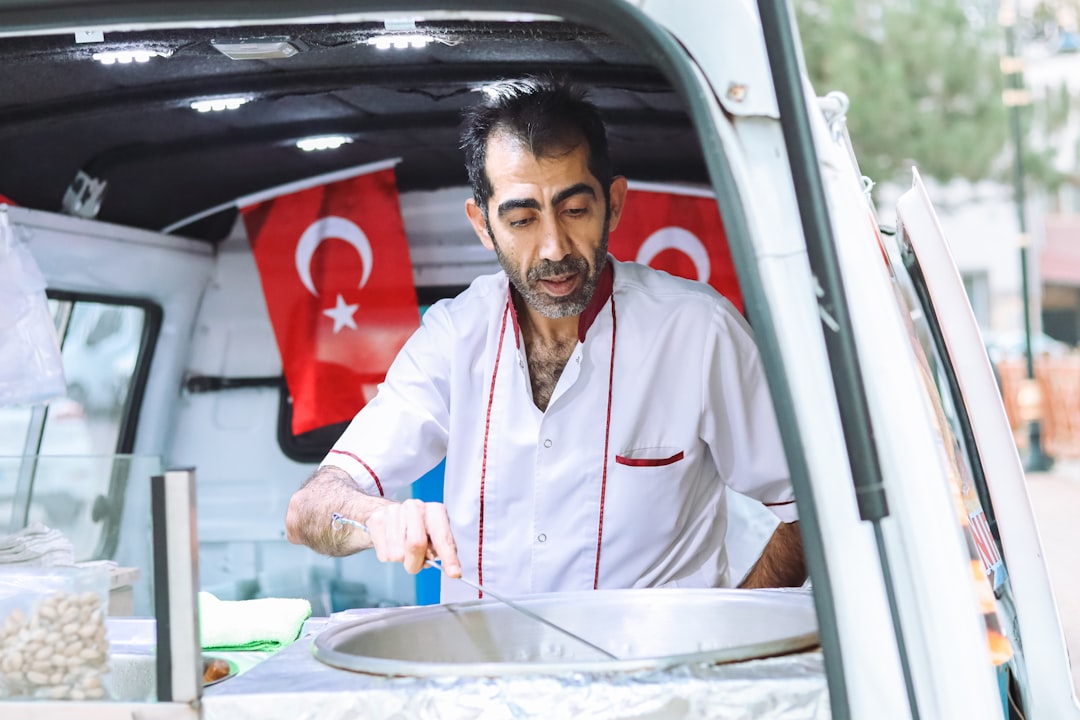
This creates something beautiful: hope. And with hope, anything is possible.
Evırı in Modern Times
Of course, times change. Cities grow bigger. Technology connects people in new ways. But the spirit of Evırı still lives on.
It has taken new forms:
- Social media campaigns to help students pay for books
- Neighborhood groups sharing extra food and clothes
- Online fundraisers for medical expenses
Even in the digital world, Evırı finds a way to shine. Whether online or face-to-face, people still gather to help one another.
How You Can Practice Evırı
You don’t have to be in Turkey to live the Evırı way. Try doing any of the following in your own life:
- Invite a friend or neighbor over for a meal
- Volunteer for a local cause
- Help someone without expecting anything in return
- Share what you know or have with those in need
Evırı is like a ripple. One kind act leads to another. You never know how far it will go!
The Thread That Holds It All Together
Picture Turkish culture as a big, beautiful rug. Every thread matters. Every knot is a story. And the thread that ties it all into something strong and lasting? That’s Evırı.
It teaches us that life is better when shared. That strength comes from unity. And that there’s always room for one more at the table.
So the next time you drink tea with a friend, help someone in need, or just smile at your neighbor — remember, you’re weaving your own little piece of Evırı.