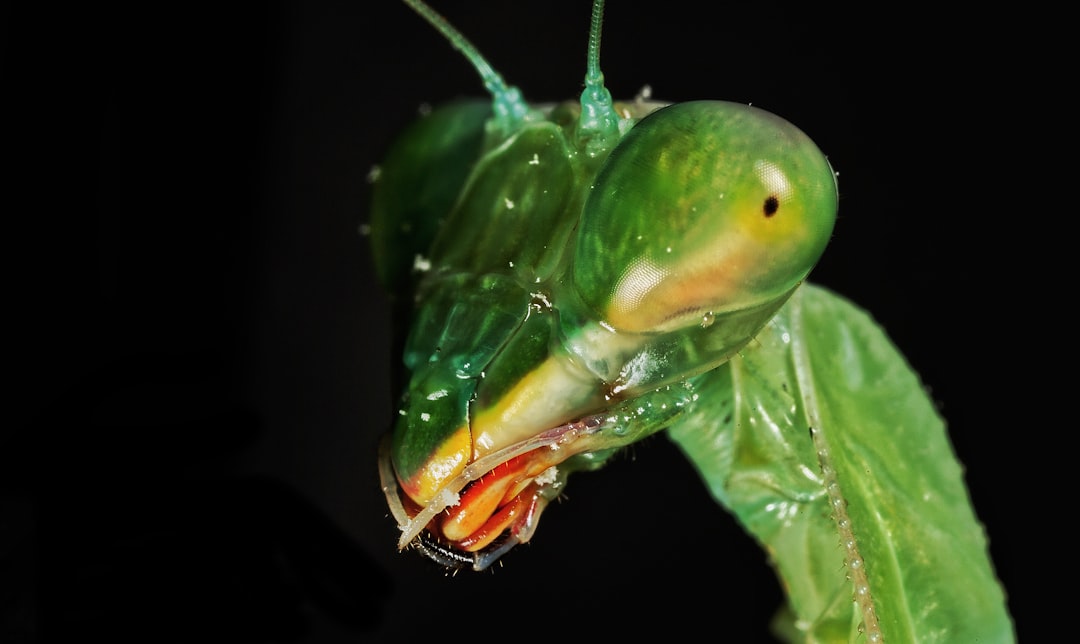
In recent years, cryptozoology and the fascination with unidentified aerial phenomena have merged to target a curious and elusive creature: the Celestial Mantis. Described as a towering, otherworldly being with insectoid features often reportedly sighted in the skies or near alleged alien encounters, this enigmatic figure has sparked curiosity across scientific, paranormal, and speculative communities.
TLDR: The Celestial Mantis is a mysterious figure often described as a humanoid insect, similar in shape and posture to a praying mantis. Although reports date back decades and are increasing with the rise in UFO interest, there is currently no empirical evidence to confirm its existence. Most sightings rely on anecdotal accounts, but that hasn’t deterred enthusiasts and researchers from digging deeper. Whether alien, multidimensional, or psychological illusion, the Celestial Mantis remains an open question in fringe science.
The Origin of the Celestial Mantis Mythos
The term “Celestial Mantis” has gained popularity over the last two decades, particularly within UFO, alien abduction, and metaphysical discussion forums. Many witnesses describe the being as:
- Towering between 6 to 9 feet tall
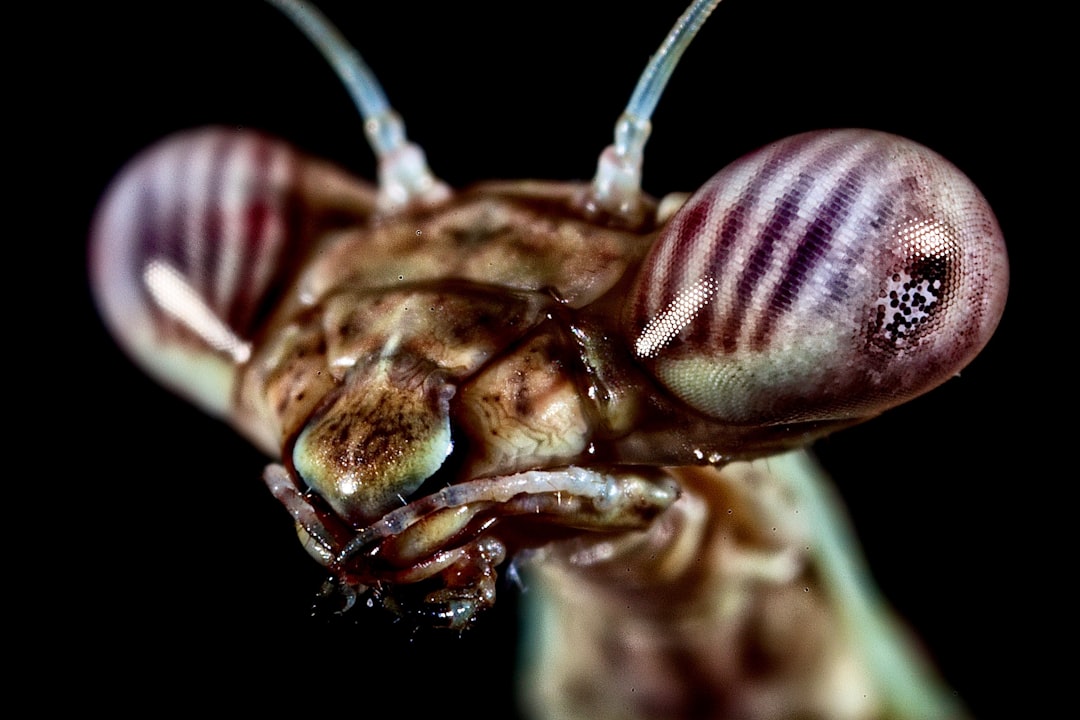
- Possessing a mantis-like head and elongated limbs
- Emitting a calming or telepathic presence
- Appearing suddenly during night-time hours, especially near rural or isolated areas
This bizarre figure is often associated with alien visitations or higher-dimensional entities. In some abduction narratives, the Celestial Mantis is presented not just as a visitor but as a being of authority—sometimes even directing “greys,” the smaller, more common alien archetype seen in reports.
But where did this idea originate?
The earliest publicly documented reports resembling the Celestial Mantis date back to the 1980s, but gained serious traction in the 2000s thanks to online communities and a growing body of anecdotal evidence. Well-known UFO researchers like Dr. David Jacobs and Barbara Lamb have recorded numerous accounts describing mantis-like creatures involved in alien abduction cases.
Examining Witness Testimonies
Cases involving the Celestial Mantis are often deeply personal and emotionally resonant. Witnesses describe encounters marked not only by visual elements but by intense psychological or even spiritual effects. Some claim to have telepathic communication, often with peaceful or enlightening messages, while others report feelings of fear and awe.
Here are a few consistent themes appearing across multiple interviews and reports:
- A sense of paralysis during the encounter
- Recall under hypnosis, indicating suppressed memory
- Recurring dreams involving large, mantis-shaped entities
- Sightings in areas also associated with UFO activity
Advocates argue that the sheer number of similar stories adds credibility to the phenomenon. However, skeptics contend that these patterns may simply reflect a shared cultural archetype, reinforced by media and community discussions.
The Skeptical Perspective
While the notion of a Cosmic Mantis is undoubtedly fascinating, it faces serious scrutiny from skeptics and scientists. Several critical points are often brought up:
- Lack of Physical or Photographic Evidence: Despite decades of sightings, no verified photo, video, or physical trace of the Celestial Mantis exists.
- Psychological Explanations: Sleep paralysis, hypnagogic hallucinations, and deep-seated archetypes from the subconscious may explain these sightings more credibly than extraterrestrial or interdimensional origins.
- No Peer-Reviewed Studies: The phenomenon has not been examined in any rigorous scientific framework or peer-reviewed literature.
Psychologist Carl Jung’s theories on archetypes, the collective unconscious, and myth formation may provide a window into why so many experience similar visions of insectoid beings. The mantis itself, symbolically linked to patience and predation, might nestle perfectly into the minds of modern individuals under stress or existential questioning.
The UFO Connection
One significant reason why many believe in the Celestial Mantis is its consistent link to UFO sightings. In cases from New Mexico, Arizona, Brazil, and South Africa, witnesses report a sighting of bright, unexplainable aerial objects either preceding or occurring alongside a Mantis encounter.
In certain abductee testimonies, including those gathered in the MUFON (Mutual UFO Network) database, mantis-like beings are described as administrators or doctors aboard alien ships. This hierarchical suggestion—that mantids are more advanced and possibly ancient compared to the more robotic-acting greys—offers a compelling, if speculative, narrative.
This dynamic is part of what makes the Celestial Mantis unique: it’s not just an odd-shaped alien, but a symbol of cosmic governance, guidance, and experimentation. These themes are difficult to separate from science fiction, religious symbolism, or psychological projection.

Pop Culture Influence
Another reason for the Celestial Mantis’ increasing popularity could be its inclusion in pop culture. In recent years, science fiction novels, TV shows, and online art communities have depicted insectoid aliens more frequently. These portrayals might not simply be coincidental; instead, they could be feeding into public imagination and inadvertently shaping real-life testimonies.
Popular shows such as “The X-Files,” “Fringe,” and various alien documentaries on streaming platforms have brought strange visitor archetypes to mainstream consciousness. It’s no surprise that what we consume can alter perception, especially in high-stress, sleep-deprived, or emotionally vulnerable states.
Plausible Explanations
If we assume for a moment that the Celestial Mantis is not an intelligent alien species, then what are the more grounded possibilities?
- Hallucinations: Often linked to sleep disorders or episodes of extreme stress
- Shared Mythology: Archetypes shared unconsciously across humanity
- Optical Illusions: Environmental shadows, animals, or man-made figures misperceived in the dark
- Fabrication: Hoaxes or attention-seeking behavior (though not always with malice)
There is currently no verifiable biological evidence that a creature resembling the Celestial Mantis has ever been discovered or authenticated by any scientific or governmental organization.
Does Science Dismiss the Possibility Altogether?
While mainstream science and academia regard the phenomenon with caution or outright disbelief, some multidisciplinary researchers remain open-minded. Astronomer Dr. Avi Loeb, for example, though not specifically addressing the Mantis, has argued that we should treat alien life as a serious scientific possibility—especially given recent Pentagon revelations and increased efforts to identify UAPs (Unidentified Aerial Phenomena).
If the Celestial Mantis were to fall into the category of higher-dimensional beings or interdimensional life, as some theorists propose, current scientific instruments might not even be capable of detecting or registering its presence.
Nonetheless, without rigorously gathered empirical data, the phenomenon remains speculative.
Conclusion: Real, Fake, or Something Else?
The question of whether the Celestial Mantis is real or fake does not lend itself to a straightforward answer. As of now, there is no concrete scientific evidence supporting its existence. Yet, the overwhelming consistency across global accounts, the emotional depth of testimonies, and its link to centuries-old archetypes suggest something more complex than simple hoax or hallucination.
It’s possible the Celestial Mantis resides in that gray area of unexplained phenomena—an idea blending neuroscience, mythology, cultural influence, and maybe, just maybe, a hint of the extraterrestrial.
Until more definitive evidence arises, researchers and enthusiasts alike will continue to explore its existence from all angles—rational and mystical alike.