
For decades, the dream of exploring the Moon and beyond has ignited the imagination of scientists, engineers, and space enthusiasts alike. As missions become more ambitious and human presence in space more tangible, the need for specialized transportation grows more important. Enter the Moonlight Buggy — a new class of space exploration vehicles poised to revolutionize how humans and robots traverse extraterrestrial terrain.
TL;DR
The Moonlight Buggy represents the next evolution in space exploration vehicles, combining advanced mobility, AI integration, and modular designs. Built to navigate harsh lunar and Martian terrains, these vehicles support both manned and robotic missions. Technologies such as autonomous navigation, dust-resistant components, and environmental adaptability are key features. As countries and private companies race toward establishing lunar bases, Moonlight Buggies will be vital for surface exploration and habitat construction.
The Evolution of Space Rovers
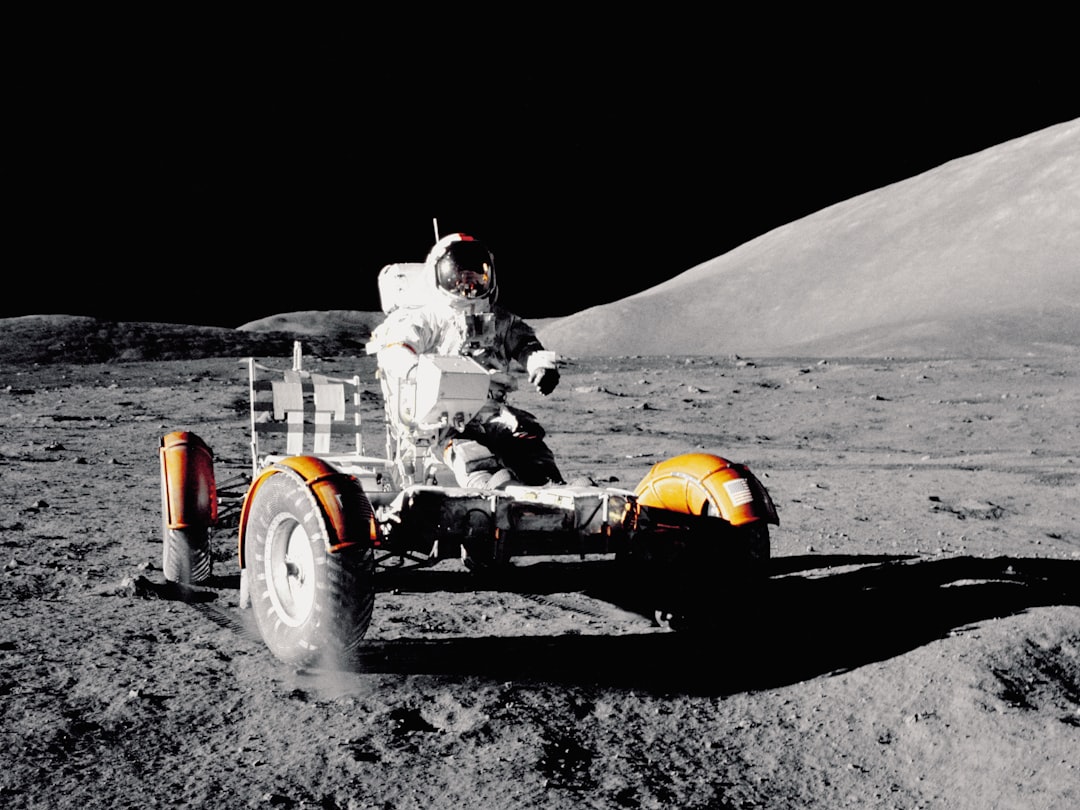
Space exploration vehicles have come a long way since the Soviet Union’s Lunokhod and NASA’s early Apollo Lunar Roving Vehicles (LRVs). While those early units laid the groundwork for planetary mobility, today’s space faring needs demand vehicles that can do much more. The Moonlight Buggy emerges from this legacy with expanded capabilities and modern technological sophistication.
Unlike their predecessors which were primarily designed for brief excursions on the Moon’s surface, Moonlight Buggies are envisioned to operate over longer durations, support a wider range of missions, and assist in building and maintaining extraterrestrial infrastructure.
Design Features of Moonlight Buggy
Modern Moonlight Buggies prioritize durability, efficiency, and adaptability. These space exploration vehicles feature a range of cutting-edge design features built to improve performance and sustainability.
- Modular Architecture: Components can be interchanged based on mission specifications — such as cargo modules, passenger cabins, or robotic arms.
- Off-World Mobility: Specialized wheels or track systems handle the Moon’s regolith and the rocky Martian landscape with relative ease.
- Energy Efficiency: Powered predominantly by solar panels, some versions feature fuel cells or nuclear energy tech as backup power sources.
- Enhanced AI Navigation: Advanced AI systems enable the vehicle to detect obstacles, plan routes autonomously, and even return to base if needed.
- Dust Mitigation Systems: Dust-resistant coatings and electrostatic systems help prevent issues from lunar regolith, which has historically posed significant operational challenges.
Mission Requirements & Considerations
Each Moonlight Buggy design is adapted to meet specific mission goals. Whether it’s a crewed surface excursion or an unmanned survey voyage, the core functionalities of the vehicle must reflect key mission parameters:
- Terrain Suitability: From the Moon’s highland craters to the Martian plains, the Buggy’s design must be capable of handling various terrains.
- Communication Systems: Long-range communication with Earth or a command station is crucial, facilitated by satellite relays or surface beacons.
- Safety Features: Thermal regulation, radiation shielding, and fail-safe mechanisms ensure the safety of the crew and onboard systems.
- Cargo Capacity: Some missions demand the transfer of materials — water, regolith, tools — for construction or scientific analysis.
Variants of Moonlight Buggy
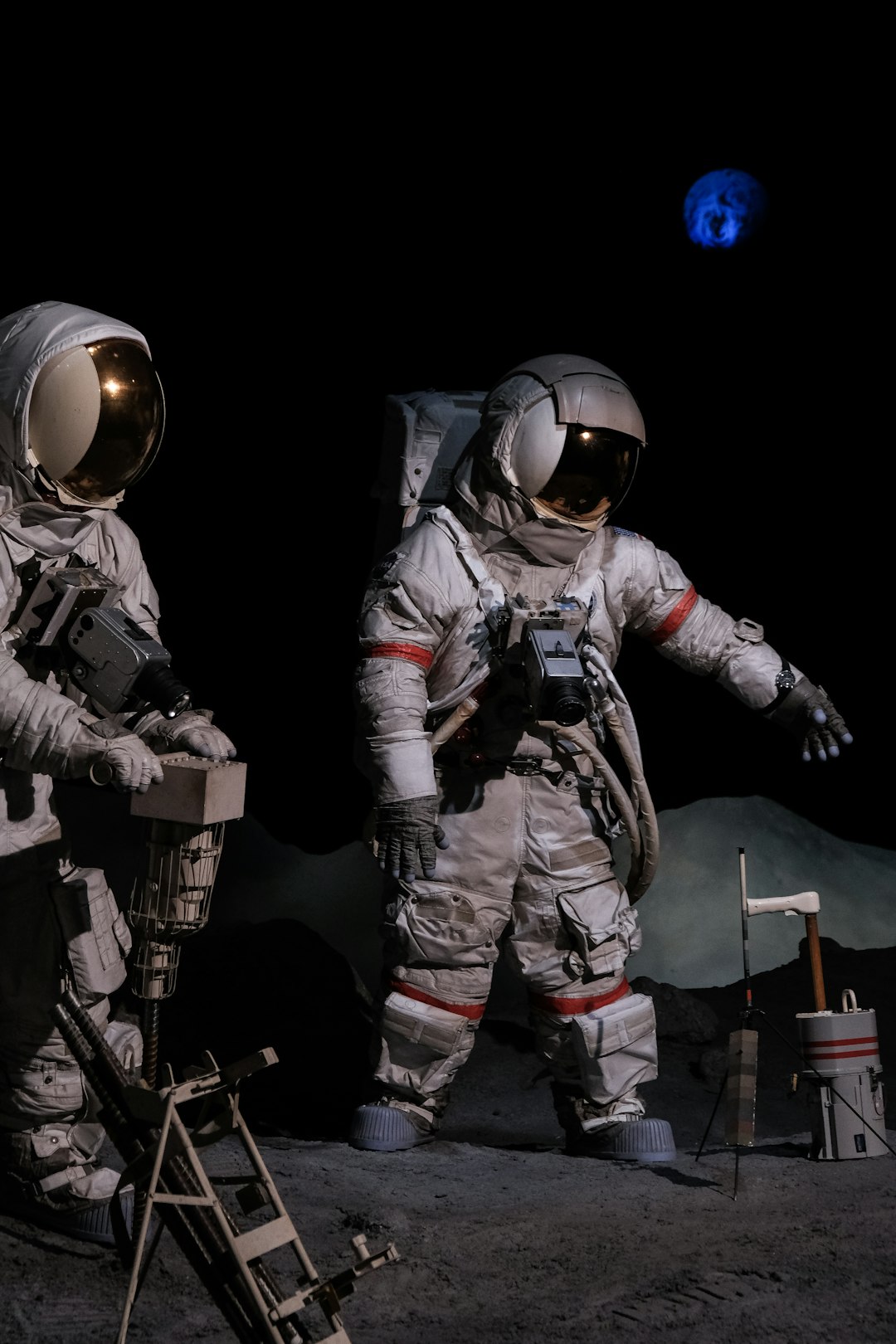
The term “Moonlight Buggy” doesn’t refer to a single vehicle model. Rather, it encompasses a family of exploration vehicles, each tailored for specific tasks:
- Recon Buggies: Unmanned, lightweight vehicles equipped with radar and cameras designed for initial terrain scouting and hazard identification.
- Cargo Buggies: Larger buggies with flatbeds or container modules meant for transporting tools, habitats, or regolith samples.
- Crewed Buggies: Enclosed, pressurized vehicles that can support astronauts on long excursions, complete with life-support systems.
- Construction Buggies: Outfitted with robotic arms, drills, and 3D printers, these are critical for building infrastructure on the Moon or Mars.
The Role of AI and Autonomy
Autonomous operation is a game-changer for modern exploration vehicles. Powered by onboard AI, Moonlight Buggies can respond in real-time to environmental hazards, optimize energy usage, and even collaborate with other vehicles and devices on a lunar base network.
Machine learning algorithms continually improve vehicle performance, allowing the buggy to adapt to new terrain patterns, mission types, or unforeseen obstacles. The integration of semi-autonomous driving also permits remote operators on Earth or an orbiting space station to intervene when necessary.
Collaborations Between Nations and Companies
As lunar and Martian exploration becomes a global priority, numerous space agencies and private aerospace companies are pooling their resources. NASA, ESA, Roscosmos, and major players like SpaceX, Blue Origin, and Hyundai have contributed to research and prototyping of next-gen space vehicles.
One prominent project, the Lunar Terrain Vehicle (LTV) initiative under NASA’s Artemis program, has encouraged collaboration with commercial partners. These alliances not only accelerate development but also promote international cooperation and knowledge sharing.
Challenges Facing Moonlight Buggy Development
Despite significant progress, designing and operating Moonlight Buggies isn’t without challenges:
- Extreme Temperatures: Lunar day and night cycles can see temperatures swing from -173°C to 127°C.
- Operational Longevity: Ensuring that systems don’t degrade after multiple lunar cycles is essential for sustained exploration.
- Energy Storage: Power batteries must be compact yet durable enough to handle off-world conditions.
Each challenge, though daunting, provides opportunities for innovation in materials science, robotics, AI, and sustainability.
The Future of Extraterrestrial Mobility
Looking forward, Moonlight Buggies will likely serve as fleets rather than standalone units, forming the core of space-based logistics and mobility. Their ability to support lunar habitat construction, scientific research, and potentially even tourism highlights their multifaceted importance. As humanity prepares to return to the Moon and develop long-term missions to Mars, these vehicles will be at the frontlines of exploration.
FAQ
- What is a Moonlight Buggy?
The Moonlight Buggy refers to a class of next-generation space exploration vehicles designed for navigating lunar and Martian terrains while supporting various mission types, including robotic and crewed operations. - How are Moonlight Buggies powered?
Most Moonlight Buggies use solar energy, with supplementary systems such as fuel cells or nuclear power to ensure continuous operation, especially during long nights or in shadowed areas. - Can Moonlight Buggies carry humans?
Yes, specific variants are built to accommodate astronauts with pressurized cabins, controlled environments, and life-support systems. - Are Moonlight Buggies autonomous?
Many of the newer models are semi-autonomous or fully autonomous, using AI for navigation, hazard avoidance, and communication coordination. - Who manufactures Moonlight Buggies?
They are being developed by both governmental space agencies like NASA and ESA, as well as private companies such as Hyundai, SpaceX, and other aerospace collaborators.