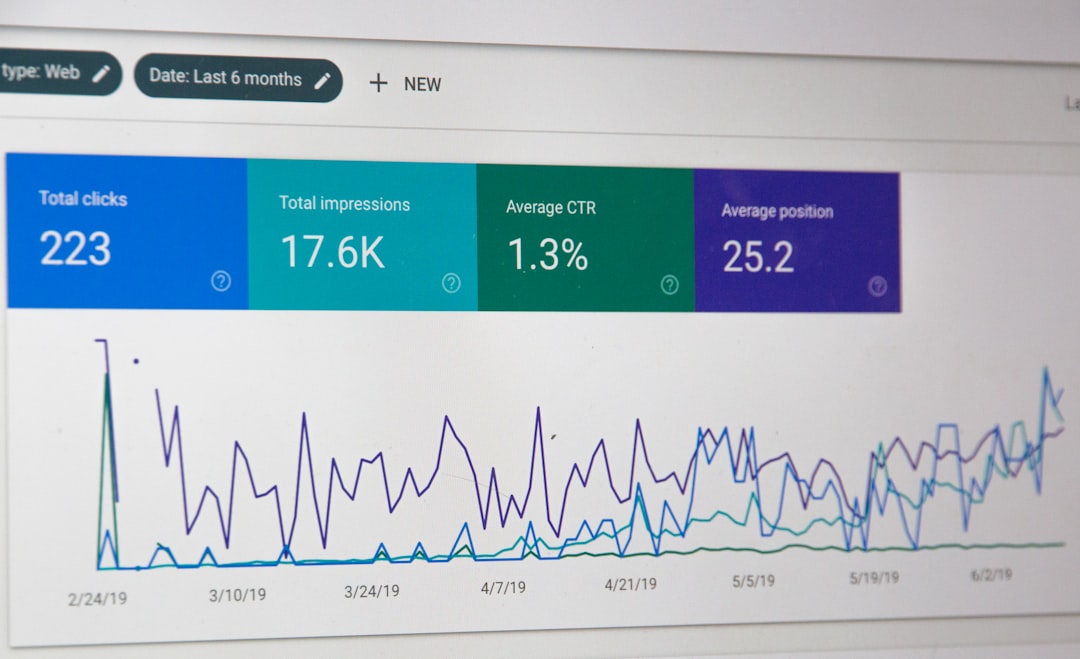
Start with analytics, email, reviews, and support. Those four tools will fix the most common Shopify headaches first. They help you see what buyers do, bring them back, build trust, and answer questions before carts go cold.
TLDR: The best Shopify tool stack is simple. Use Google Analytics 4 or Triple Whale for tracking, Klaviyo for email and SMS, Judge.me for reviews, and Gorgias for support. For example, a small skincare store with 8,000 monthly visitors might lift revenue by 15% to 25% just by adding abandoned cart emails, review requests, and better product tracking. Do not install 40 apps and hope for magic.
1. Analytics tools: know what is actually working
Guessing is expensive. Shopify gives you basic reports, which are fine at first. But as soon as you spend money on ads, you need clearer numbers.
Google Analytics 4 is free and powerful. It tracks users, traffic sources, purchases, and events. It can feel clunky. Honestly, it feels like finding one simple report takes three extra clicks. Still, it gives you a strong base.
Triple Whale is better for stores spending serious money on ads. It shows revenue, profit, ad spend, and customer behavior in one cleaner dashboard. It is not cheap. But it saves time if Facebook, Google, TikTok, and email all claim they made the same sale.
- Best for beginners: Shopify Analytics plus Google Analytics 4
- Best for scaling stores: Triple Whale
- Watch closely: conversion rate, average order value, repeat purchase rate

2. Email and SMS tools: bring shoppers back
Most shoppers do not buy on the first visit. They browse. They compare. They get distracted by lunch. Then they vanish.
This is where Klaviyo shines. It connects deeply with Shopify. You can send welcome emails, abandoned cart reminders, back-in-stock alerts, post-purchase tips, and win-back campaigns.
A basic abandoned cart flow can recover 5% to 12% of lost carts. That is real money. No new ad spend needed.
Use these flows first:
- Welcome series: for new subscribers
- Abandoned cart: for shoppers who leave
- Browse abandonment: for product viewers
- Post-purchase: for care tips or cross-sells
- Win-back: for old customers
Omnisend is also a good pick. It is simple and friendly for smaller stores. It handles email, SMS, popups, and automation without making your brain melt.
3. Review tools: let happy customers sell for you
People trust other buyers more than your product copy. That may sting. But it is true.
Judge.me is one of the best review tools for Shopify. It is affordable. It supports photo reviews, review requests, star ratings, and rich snippets for search results.
Loox is great if your products are visual. Think fashion, beauty, home decor, fitness gear, and pet products. Photo reviews make the page feel alive. They also reduce doubt.
It drives me crazy when stores hide reviews near the bottom of the page. Put star ratings near the product title. Add review photos near the buy button. Make trust easy to see.
- Best budget review tool: Judge.me
- Best visual review tool: Loox
- Best review habit: ask 7 to 14 days after delivery
4. Upsell and cross-sell tools: raise order value
Getting traffic is hard. So each order should work harder.
ReConvert helps you customize the thank-you page. You can add product offers, surveys, birthday capture, and reorder buttons. This is great because the buyer has already trusted you once.
Frequently Bought Together is another handy app. It adds Amazon-style bundles to product pages. If someone buys a camera, offer a case. If they buy shampoo, offer conditioner. Simple. Obvious. Effective.
Do not overdo it. Three popups and five offers make your store feel like a carnival booth. One good offer beats six desperate ones.
5. SEO tools: get free traffic over time
Paid ads are useful. They are also needy. Stop paying, and the traffic stops.
TinyIMG helps compress images, fix alt text, and improve page speed. This matters a lot. A slow store loses buyers. Even a one-second delay can hurt conversions.
Plug In SEO scans your store for common search issues. It checks titles, descriptions, headings, broken links, and speed problems. It is a good “tell me what is broken” tool.
Focus on product pages first. Write clear titles. Add helpful descriptions. Use real phrases buyers search for. “Soft cotton baby blanket” beats “Cloud Dream 3000.” Cute names are fine. Clear names sell.

6. Customer support tools: answer faster, sell more
Support is not just support. It is sales.
Gorgias is built for ecommerce. It pulls in Shopify orders, customer details, email, live chat, social messages, and macros. Your team can refund, edit, and answer without opening ten tabs.
Tidio is a lighter option. It offers live chat and chatbots. It is good for smaller shops that want to answer common questions quickly.
Expect to waste time on repeat questions if you skip support tools. “Where is my order?” “Does this come in black?” “Can I return it?” These questions eat your day unless you build saved replies.
- Best for larger support teams: Gorgias
- Best simple chat tool: Tidio
- Must-have saved reply: shipping time
- Must-have saved reply: return policy
7. Inventory and shipping tools: avoid messy operations
Growth is fun until orders turn into chaos.
ShipStation helps you print labels, compare carriers, send tracking emails, and manage orders from different channels. It is useful once daily shipping starts eating your mornings.
Stocky is a Shopify tool for inventory planning. It helps with purchase orders, stock forecasting, and supplier management. It works best for Shopify POS users and growing retail brands.
Inventory Planner is stronger for forecasting. It helps you avoid stockouts and overbuying. Both are painful. A stockout kills sales. Too much stock traps cash in boxes.
8. Loyalty and referral tools: make customers come back
New customers cost more than repeat customers. So reward people who already like you.
Smile.io lets you create points, VIP tiers, and referral rewards. Customers can earn points for purchases, birthdays, referrals, and social follows.
Yotpo Loyalty is better for larger brands that want loyalty, referrals, reviews, and SMS under one roof. It costs more, but it keeps more pieces connected.
Keep rewards simple. “Earn 5 points per $1” is easy. “Unlock tier two silver sparkle status after multi-action engagement” is not. Nobody wants homework.
9. Page builder tools: make better landing pages
Shopify themes are solid. But sometimes you need custom pages for ads, launches, bundles, or holiday sales.
PageFly is popular for building Shopify landing pages without coding. It gives you drag-and-drop sections, templates, and mobile controls.
GemPages is another strong choice. It is clean, flexible, and good for product pages, collection pages, and sales pages.
Check mobile views every time. Many stores look great on desktop and weird on phones. That is bad, because most shoppers are on phones.

10. Automation tools: save your sanity
Small tasks pile up fast. Tag this customer. Send that email. Flag that order. Notify that vendor. Boring, but needed.
Shopify Flow is the best automation tool if your plan includes it. You can create rules without code. For example, tag customers who spend over $500 as VIP. Or alert your team when inventory drops below 10 units.
Zapier connects Shopify with hundreds of other apps. It can send order data to spreadsheets, push leads into a CRM, or create tasks in project tools.
Automation is not glamorous. But it removes tiny chores that steal focus.
A simple tool stack for most Shopify stores
If you are not sure where to start, use this setup:
- Analytics: Google Analytics 4
- Email and SMS: Klaviyo or Omnisend
- Reviews: Judge.me
- Support: Gorgias or Tidio
- SEO: TinyIMG
- Shipping: ShipStation
- Loyalty: Smile.io
- Automation: Shopify Flow
Start with the tools that fix revenue leaks. Add more only when you feel real pain. Too many apps can slow your store, raise costs, and create messy data.
The best Shopify tools do not just add features. They remove friction. They help shoppers trust you. They help your team move faster. And best of all, they let you spend less time fighting your store and more time growing it.