Gold has fascinated people for thousands of years, not only because of its beauty but also because it has served as a store of wealth across many cultures and economic systems. For a beginner, gold prices can seem mysterious because they move in response to global events, investor emotions, currency shifts, and supply and demand. Understanding these forces helps a new investor or curious observer see gold not just as jewelry or coins, but as a widely watched financial asset.
TLDR: Gold prices rise and fall based on a mix of economic conditions, interest rates, inflation expectations, currency strength, and investor demand. Gold often attracts attention during uncertain times because it is viewed as a safe haven asset. Its value is also shaped by mining supply, central bank activity, and market sentiment. Beginners should understand that gold can preserve wealth, but it can also experience short-term price swings.
What Gives Gold Its Value?
Gold’s value comes from a combination of scarcity, durability, history, and global demand. Unlike paper currencies, gold cannot be printed by governments. Its supply grows slowly because mining and refining gold require time, capital, and specialized technology. This limited supply helps support its long-term appeal.
Gold is also highly durable. It does not rust, corrode, or degrade easily, which makes it suitable for storing value over long periods. Ancient gold coins and ornaments can still be valuable today, while many other materials from the same periods have disappeared or deteriorated.
Another important factor is gold’s universal recognition. A person in one country may not trust another country’s currency, but gold is broadly accepted across borders. This global acceptance helps explain why central banks, investors, jewelers, and manufacturers all participate in the gold market.

How Gold Prices Are Quoted
Gold is commonly priced in U.S. dollars per troy ounce. A troy ounce is slightly heavier than a standard ounce and is the traditional measurement used for precious metals. When financial news reports that gold is trading at a certain price, it usually refers to the spot price per troy ounce.
The spot price is the current market price for immediate delivery. However, the price paid for physical gold, such as coins or bars, is often higher than the spot price. This difference is called a premium. Premiums may include manufacturing costs, dealer margins, shipping, insurance, and demand for a particular product.
For example, a gold coin may sell above the spot value of its metal because it has minting costs or collectible appeal. A large gold bar may have a lower percentage premium because it is simpler to produce and trade in bulk.
Main Factors That Move Gold Prices
Gold prices do not move for just one reason. They respond to several forces at the same time. A beginner should understand the main drivers behind price changes before making assumptions about why gold is rising or falling.
- Inflation: Gold is often seen as a hedge against inflation. When the purchasing power of money declines, investors may turn to gold to preserve wealth.
- Interest rates: Gold does not pay interest or dividends. When interest rates rise, income-producing assets may become more attractive, which can pressure gold prices. When rates fall, gold may become more appealing.
- U.S. dollar strength: Since gold is priced in dollars, a stronger dollar can make gold more expensive for buyers using other currencies. This may reduce demand and push prices lower. A weaker dollar can have the opposite effect.
- Geopolitical uncertainty: Wars, financial crises, political instability, and global tension can increase demand for gold as a safe haven.
- Central bank buying: Central banks hold gold as part of their reserves. Large purchases or sales by central banks can influence market sentiment.
- Mining supply: Gold production affects long-term supply. If mining becomes more expensive or output declines, supply constraints may support prices.
Gold as a Safe Haven Asset
Gold is frequently described as a safe haven because investors often buy it during periods of uncertainty. When confidence in financial markets weakens, gold may attract capital from those seeking stability. This does not mean gold always rises during every crisis, but it has historically been viewed as a defensive asset.
For example, during times of banking stress, high inflation, or political conflict, investors may worry about the value of currencies, stocks, or bonds. Gold can become attractive because it is not tied to the creditworthiness of a company or government. It is a tangible asset with a long history of value.
However, gold’s safe haven reputation should not be misunderstood. Its price can still fall, especially if investors sell assets to raise cash or if interest rates rise sharply. Safe haven demand is powerful, but it is only one part of the market.
The Role of Inflation and Interest Rates
Inflation is one of the most important concepts for understanding gold. When prices for everyday goods and services rise, money loses purchasing power. Investors may buy gold because they believe it can hold value better than cash over time.
Interest rates also matter because they affect the opportunity cost of holding gold. If a savings account or government bond offers attractive returns, some investors may prefer those assets over gold. Since gold does not produce income, higher real interest rates can reduce its appeal.
The term real interest rate means the interest rate after accounting for inflation. If inflation is high and interest rates are low, real interest rates may be negative. In such an environment, gold can become more attractive because cash and bonds may fail to keep up with rising prices.

Supply and Demand in the Gold Market
Gold demand comes from several major sources. Jewelry is one of the largest categories, especially in countries where gold has cultural and ceremonial importance. Investment demand is another major category, including coins, bars, exchange traded funds, and futures contracts.
Industrial demand also plays a role, though it is smaller than jewelry and investment demand. Gold is used in electronics, medical devices, aerospace technology, and other specialized applications because it conducts electricity well and resists corrosion.
On the supply side, most new gold enters the market through mining. Recycling is another important source. Old jewelry, electronics, and other gold items may be melted down and returned to the market. If gold prices rise significantly, more recycling may occur because people are encouraged to sell unused gold.
Physical Gold vs. Paper Gold
Beginners often hear about both physical gold and paper gold. Physical gold includes coins, bars, and jewelry. It can be held directly, stored privately, or kept in a vault. Physical ownership appeals to those who want a tangible asset outside the traditional financial system.
Paper gold refers to financial products linked to the price of gold, such as gold exchange traded funds, futures contracts, and mining stocks. These products may be easier to buy and sell through brokerage accounts, but they do not always provide the same experience as holding physical metal.
Each option has advantages and disadvantages:
- Coins and bars: Tangible and direct, but may involve storage, insurance, and dealer premiums.
- Gold ETFs: Convenient and liquid, but dependent on financial institutions and fund structures.
- Gold futures: Useful for advanced traders, but complex and risky for beginners.
- Mining stocks: Can benefit from rising gold prices, but also carry company-specific risks such as management, debt, and production costs.
Why Gold Prices Can Be Volatile
Although gold is often associated with stability, its market price can move sharply in the short term. Traders react quickly to economic data, central bank announcements, currency changes, and global news. A single statement from a major central bank can shift expectations about interest rates and cause gold prices to move.
Speculation also contributes to volatility. Large institutions, hedge funds, and algorithmic traders may buy or sell gold contracts based on momentum, technical signals, or macroeconomic forecasts. These short-term movements can happen even when the long-term reasons for owning gold remain unchanged.
For this reason, beginners should avoid assuming that gold always moves slowly or predictably. It may serve as a long-term store of value, but the path can include sudden rallies and declines.
Understanding Gold Market Sentiment
Market sentiment refers to the overall mood of investors. When investors feel fearful, gold may benefit from safe haven demand. When investors feel confident and prefer riskier assets such as stocks, gold may receive less attention.
Sentiment can change quickly. Strong economic growth, low inflation, and rising stock markets may reduce interest in gold. On the other hand, recession fears, currency weakness, or debt concerns may increase demand. This emotional side of the market makes gold both fascinating and challenging to analyze.
How Beginners Can Track Gold Prices
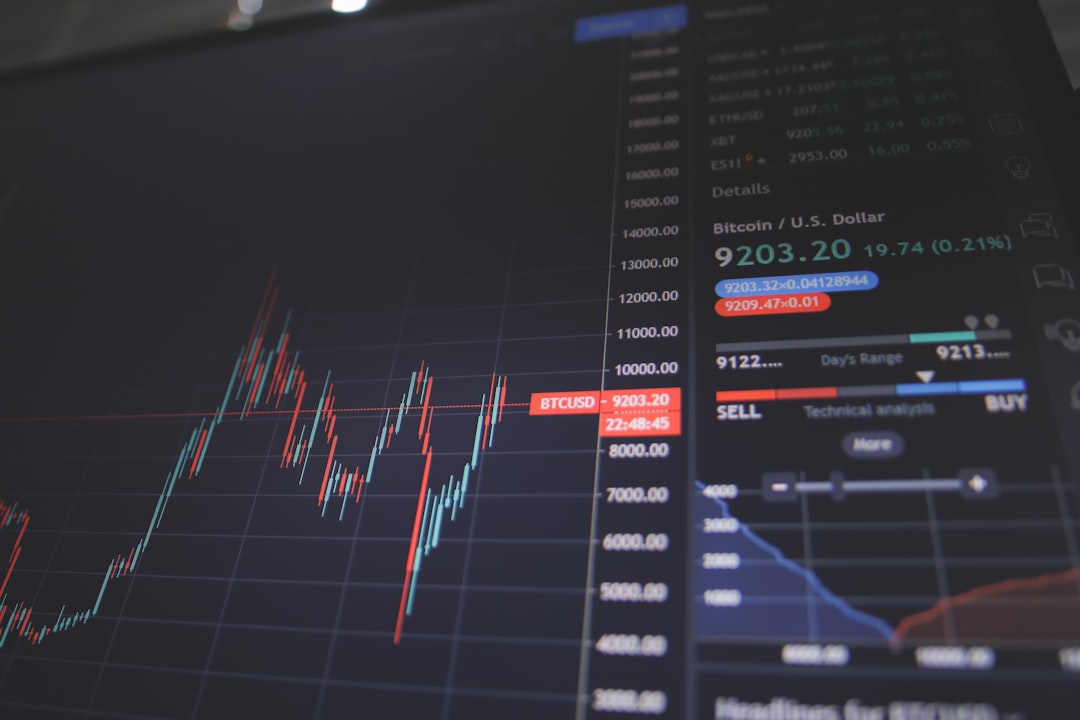
A beginner can follow gold prices through financial news sites, commodity exchanges, brokerage platforms, and precious metal dealers. However, it is important to understand the difference between live market prices and retail prices. The price shown on a chart may not be the exact price paid for a coin or bar.
When studying gold, observers often monitor:
- The spot price of gold in U.S. dollars.
- The U.S. Dollar Index, which measures dollar strength against other currencies.
- Inflation reports, such as consumer price data.
- Central bank interest rate decisions and policy statements.
- Geopolitical news that may affect investor confidence.
- Gold ETF flows, which can show investment demand trends.
Common Mistakes Beginners Make
One common mistake is buying gold only after a major price spike. When gold is heavily discussed in the news, prices may already reflect fear or excitement. Beginners may benefit from learning about market cycles instead of reacting emotionally.
Another mistake is ignoring premiums and selling spreads. A buyer may pay above spot price when purchasing physical gold and receive below spot price when selling it. These transaction costs matter, especially for short-term trades.
Some beginners also confuse jewelry value with investment value. Jewelry may contain gold, but its price includes design, craftsmanship, brand markup, and retail costs. As a result, jewelry is not always the most efficient way to invest in gold.
Is Gold a Good Investment?
Gold can play a useful role in a diversified portfolio, but whether it is a good investment depends on the investor’s goals, time horizon, and risk tolerance. Gold may help preserve purchasing power, provide diversification, and reduce exposure to currency or financial system risks.
However, gold does not produce income like a dividend-paying stock or an interest-bearing bond. Its return depends on price appreciation. Over some periods, it performs strongly; over others, it may lag behind other assets. A balanced view recognizes both its strengths and limitations.
Conclusion
Gold prices are shaped by a wide range of factors, including inflation, interest rates, currency movements, central bank activity, supply, demand, and investor psychology. For beginners, the key is to understand that gold is not just a shiny metal, but a global financial asset influenced by both practical demand and emotional market behavior.
Gold’s long history as a store of value explains why it continues to attract attention during uncertain times. Still, its price can move up and down in response to changing conditions. A thoughtful beginner studies the market, understands costs, and views gold as one possible part of a broader financial plan rather than a guaranteed path to profit.
FAQ
What causes gold prices to rise?
Gold prices often rise when inflation concerns increase, interest rates fall, the U.S. dollar weakens, or investors seek safety during uncertain times. Strong central bank buying and limited supply can also support higher prices.
Why does gold fall when interest rates rise?
Gold does not pay interest. When interest-bearing assets become more attractive, some investors may move money away from gold, which can put downward pressure on its price.
Is physical gold better than gold ETFs?
Neither is automatically better. Physical gold offers direct ownership, while gold ETFs may provide convenience and liquidity. The better choice depends on storage preferences, costs, investment goals, and risk tolerance.
What is the spot price of gold?
The spot price is the current market price for gold intended for immediate delivery. Retail buyers usually pay more than the spot price because of premiums, dealer costs, and product demand.
Can gold protect against inflation?
Gold is often used as an inflation hedge, especially over long periods. However, it does not move perfectly with inflation in the short term and can be influenced by many other market factors.
Is gold safe for beginners?
Gold can be understandable for beginners, but it still carries price risk. A beginner should learn about premiums, storage, liquidity, and market drivers before buying.