A strong logo is not just a graphic element; it is the visual anchor of your brand identity. In competitive markets, a thoughtfully designed logo communicates credibility, clarity, and purpose within seconds. Selecting the right tools to create that logo can significantly influence both the creative process and the final outcome. Today’s logo design tools go far beyond simple shape editors—they provide strategic frameworks, collaboration features, and scalable assets that help businesses build a memorable and lasting identity.
TLDR: The best logo design tools combine creative flexibility with professional-grade precision and brand strategy support. Vector-based software such as Adobe Illustrator and CorelDRAW offers full control, while accessible platforms like Canva and Looka simplify the process for non-designers. AI-powered generators accelerate ideation, but strategic thinking and brand alignment remain essential. Choosing the right tool depends on your expertise, budget, scalability needs, and long-term branding goals.
A memorable brand identity is built on consistency, scalability, and emotional resonance. Logo design tools that support these objectives empower businesses to create visual systems—not just isolated marks. Below, we examine key categories of logo design tools, their core strengths, and how they contribute to building a distinctive brand presence.
1. Professional Vector Design Software
Vector-based design software remains the gold standard for professional logo creation. These tools allow designers to create scalable logos that retain perfect clarity at any size—from business cards to billboards.
Why vector matters:
- Infinite scalability without loss of quality
- Precise anchor point control
- Advanced typography manipulation
- Export options for all professional formats
Leading vector tools include:
- Adobe Illustrator: Industry standard with extensive design control and integration into broader creative workflows.
- CorelDRAW: Known for user-friendly precision tools and strong print design capabilities.
- Affinity Designer: A cost-effective alternative with fast performance and professional output.
These platforms are ideal for businesses that require fully original logo systems and anticipate future brand expansions.
Professional tools offer unmatched flexibility. They allow designers to refine curves, balance negative space, and maintain visual harmony—elements that often define whether a logo feels generic or iconic.
2. AI-Powered Logo Generators
Artificial intelligence has significantly transformed logo design in recent years. AI-driven platforms enable entrepreneurs and small businesses to generate logo concepts quickly based on brand keywords, industry type, and style preferences.
Key benefits:
- Rapid concept generation
- Minimal design knowledge required
- Budget-friendly solutions
- Instant brand asset packages
However, while AI accelerates ideation, it does not replace strategic brand thinking. AI-generated logos may require refinement to ensure uniqueness and legal safety. Businesses should evaluate licensing terms carefully and consider adjusting generated designs in vector software for long-term ownership and flexibility.
AI tools are best suited for startups testing branding directions or entrepreneurs who need a professional starting point before engaging a designer.
3. All-in-One Online Design Platforms
Online platforms bridge the gap between complex professional software and fully automated AI generators. They provide templates, drag-and-drop editing, and cloud-based collaboration.
Popular examples include:
- Canva: Accessible interface, strong typography controls, and extensive template library.
- Looka: AI-assisted logo building with brand kit creation.
- Hatchful: Geared toward small businesses needing fast results.
These tools offer convenience, especially for small teams. Cloud storage ensures easy access and revision control without advanced technical setup.
Yet, template-heavy systems require caution. Overused design patterns may dilute brand distinctiveness if not customized thoroughly.
4. Typography-Focused Tools
In many iconic logos, typography is the brand. Wordmarks and lettermarks demand careful font selection, kerning adjustments, and spacing precision. Tools that specialize in font experimentation and customization play a critical role.
Typography enhancement tools may include:
- Font pairing platforms
- Custom typeface creation software
- Variable font editors
When businesses prioritize typography, they should look for tools that allow detailed manipulation of curves and letterforms. This attention ensures readability across platforms while maintaining a distinctive style.
5. Brand System and Asset Management Tools
A logo does not function in isolation. It must exist within a broader brand identity system that includes color palettes, typography guidelines, spacing rules, and usage standards.
Some design tools now integrate brand kit features, allowing users to define:
- Primary and secondary color palettes
- Logo variations (horizontal, vertical, icon only)
- Clear space requirements
- Do and do not usage examples
Centralizing these assets promotes consistency across marketing channels. A memorable identity relies on disciplined repetition and proper implementation—not just visual creativity.
6. Collaboration and Presentation Features
Modern branding is increasingly collaborative. Marketing teams, stakeholders, and designers must align before finalizing a logo.
Advanced platforms offer:
- Real-time commenting
- Cloud-based version history
- Client presentation tools
- Export-ready pitch decks
These capabilities reduce revision cycles and improve decision-making transparency. When choosing a tool, businesses should evaluate how it supports collaboration, especially in distributed teams.
Comparison of Major Logo Design Tools
| Tool | Best For | Skill Level | Scalability | Cost Structure |
|---|---|---|---|---|
| Adobe Illustrator | Professional branding projects | Advanced | Excellent | Subscription |
| CorelDRAW | Print focused logo design | Intermediate to Advanced | Excellent | Subscription or One time |
| Affinity Designer | Cost conscious professionals | Intermediate | Excellent | One time purchase |
| Canva | Small businesses and marketers | Beginner | Moderate | Freemium |
| Looka | AI generated quick branding | Beginner | Moderate | One time or package |
This comparison highlights a central truth: no single tool is universally superior. The right choice depends on long-term branding strategy, internal capabilities, and expected growth trajectory.
Key Criteria for Selecting a Logo Design Tool
When evaluating logo design tools, businesses should assess the following:
- Scalability: Can the logo adapt across digital and print applications?
- Customization depth: Does the tool allow meaningful originality?
- File export options: Are vector formats such as SVG, EPS, and PDF available?
- Brand system integration: Can supporting assets be organized professionally?
- Licensing clarity: Is ownership clearly defined?
Ignoring these criteria often leads to costly redesigns later.
Design Principles Remain Paramount
Even the most advanced tools cannot compensate for weak strategic thinking. A memorable logo must satisfy several timeless principles:
- Simplicity
- Relevance to target audience
- Distinctiveness
- Versatility
- Longevity
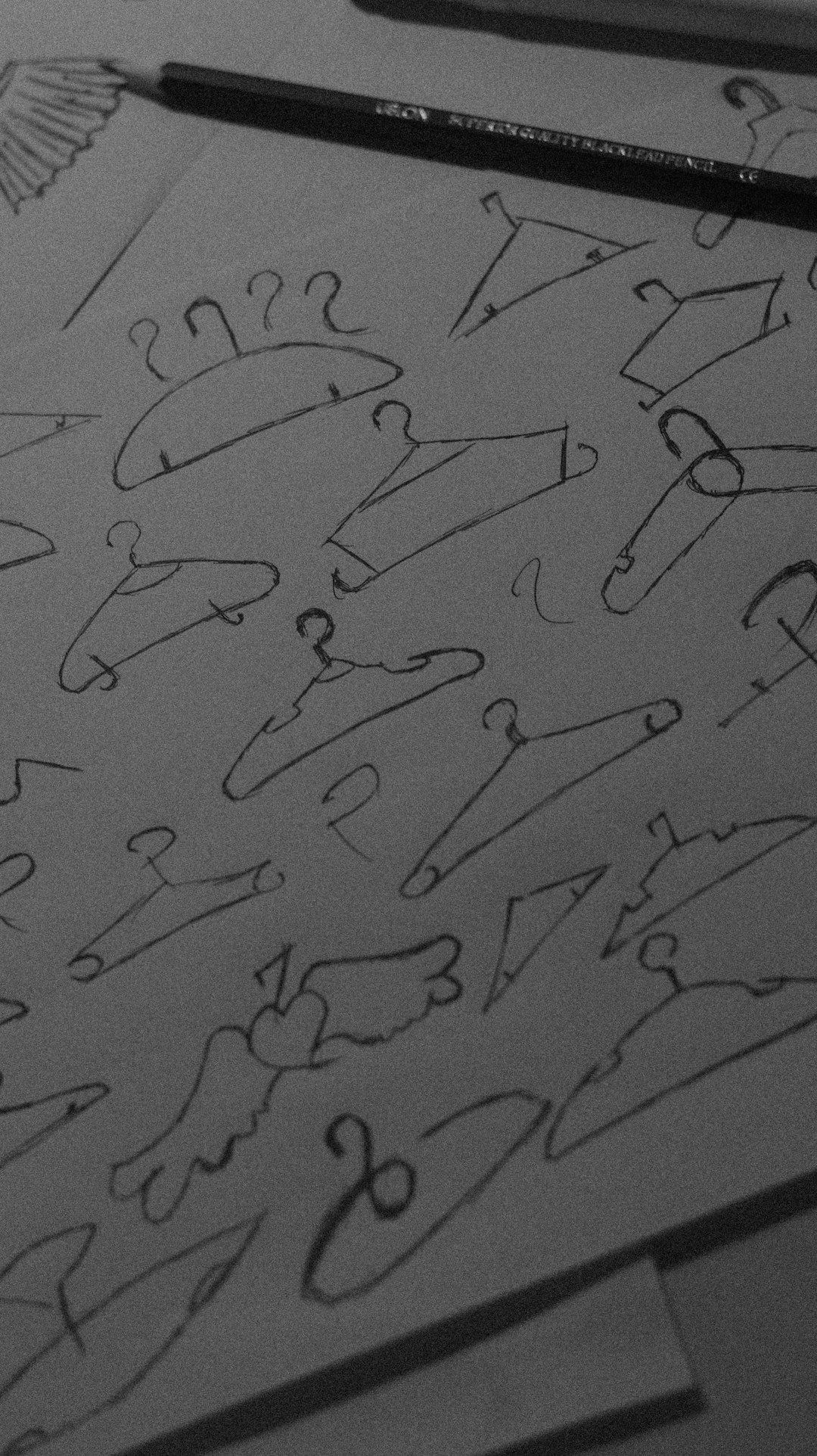
Tools enhance execution, but clarity of message and positioning must guide creation. Strategic workshops, competitor audits, and customer research should precede any design work.
Balancing Efficiency and Originality
Automation accelerates workflow, but over-reliance on templates risks producing logos that feel interchangeable. Businesses striving for memorable identity should use automated tools as ideation accelerators rather than definitive solutions.
Professional designers often combine methods: rapid AI concept generation followed by detailed refinement in vector software. This hybrid approach merges efficiency with originality and ensures legal and aesthetic robustness.
Conclusion
Logo design tools have evolved dramatically, offering powerful options for businesses at every stage. From advanced vector platforms to AI-driven generators and collaborative cloud systems, today’s landscape empowers brands to shape their identities with greater precision and speed than ever before.
However, tools are only instruments. A memorable brand identity is built on thoughtful strategy, disciplined consistency, and careful execution. Selecting the right logo design software should align with your organization’s long-term vision, growth plans, and quality expectations. When these elements converge, the result is not merely a logo—it is a lasting symbol of trust and recognition.