In a world where our smartphones rarely leave our hands, the way we connect to mobile networks is quietly evolving. One of the most important changes in recent years is the arrival of the eSIM. You may have seen the term while setting up a new phone or browsing mobile plans, but what exactly is an eSIM—and how does it change the way we stay connected? This beginner-friendly guide breaks it all down in simple, clear terms so you can understand what eSIM is, how it works, and whether it’s right for you.
TL;DR: An eSIM is a digital SIM card built into your device, allowing you to activate a mobile plan without inserting a physical card. It makes switching carriers easier, supports multiple numbers on one device, and is especially useful for travel. Most modern smartphones, smartwatches, and tablets now support eSIM technology. While it offers convenience and flexibility, compatibility and carrier support should be checked before switching.
What Is an eSIM?
eSIM stands for embedded Subscriber Identity Module. Unlike a traditional SIM card—which is a small, removable plastic card inserted into your device—an eSIM is built directly into your phone, tablet, or smartwatch.
Instead of physically swapping SIM cards, you download your mobile carrier’s profile onto the eSIM. Think of it as replacing a tiny piece of plastic with a secure digital version.
In simple terms:
- A traditional SIM is removable and tied to a physical card.
- An eSIM is embedded in your device and digitally programmable.
The technology doesn’t change your phone number or how cellular networks function—it just changes how your device connects to your carrier.
How Does an eSIM Work?
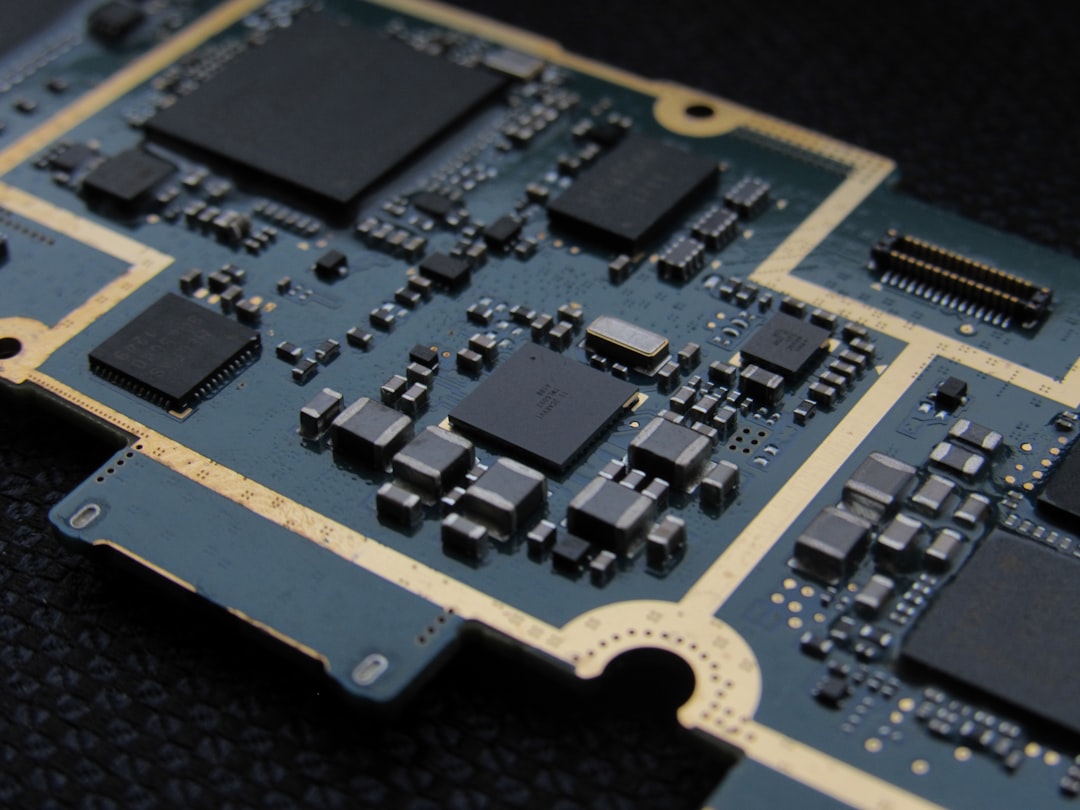
At its core, an eSIM performs the same job as a traditional SIM: it authenticates your device on a mobile network. The difference lies in how the information is stored and transferred.
With a physical SIM card:
- Your carrier provides a pre-programmed card.
- You insert it into your phone.
- The phone reads the card and connects to the network.
With an eSIM:
- The eSIM chip is already embedded in your device at the factory.
- Your carrier sends a digital SIM profile (often via QR code or app).
- You install the profile, and your device connects to the network.
This digital setup allows you to activate a mobile plan in minutes—sometimes without ever visiting a store.
Key Benefits of eSIM
The main reason eSIM technology is growing in popularity is convenience. But its advantages go beyond just eliminating plastic cards.
1. Easier Carrier Switching
With eSIM, switching mobile providers is often as simple as:
- Purchasing a new plan online
- Scanning a QR code
- Downloading a profile through a carrier app
No waiting for a SIM card to arrive in the mail. No fumbling with tiny trays and ejector tools.
2. Multiple Plans on One Device
Many eSIM-enabled devices allow you to store multiple carrier profiles at once. For example, you could have:
- A personal number
- A work number
- An international travel data plan
You can switch between them in your phone’s settings. This makes eSIM extremely useful for business users and frequent travelers.
3. Great for International Travel
Traditional travel often meant landing in a new country and:
- Searching for a local SIM vendor
- Swapping cards in an airport
- Storing your original SIM somewhere safe
With eSIM, you can buy a local or regional data plan online before your flight and activate it when you land.
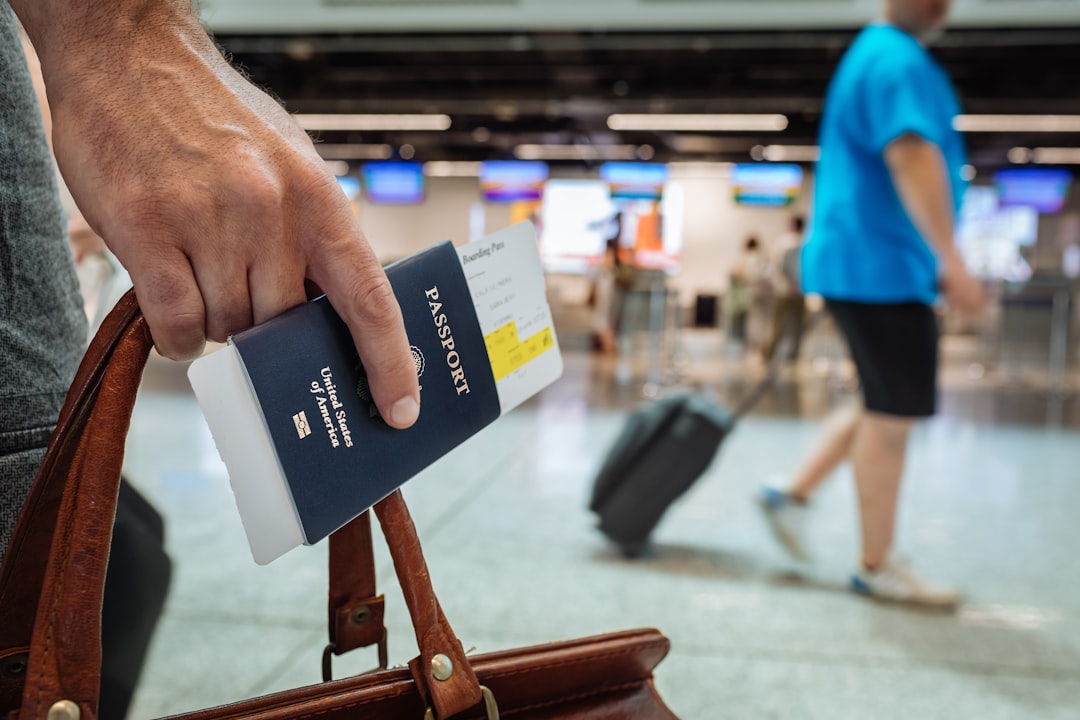
This flexibility can save time, reduce roaming charges, and eliminate the risk of losing your main SIM card.
4. More Durable Devices
Removing the need for a physical SIM tray can help manufacturers design devices that are:
- More water-resistant
- More dust-resistant
- Slightly slimmer or more compact
Fewer openings in a device often result in better overall durability.
5. Environmentally Friendly
While small, billions of plastic SIM cards are produced globally. eSIM reduces:
- Plastic waste
- Packaging materials
- Shipping emissions
It’s a small but meaningful step toward more sustainable technology.
Are There Any Downsides?
While eSIM offers many benefits, it’s important to understand potential limitations.
1. Carrier Support
Not all mobile carriers—especially smaller or regional ones—fully support eSIM. Before assuming compatibility, check your provider’s website.
2. Device Compatibility
Older phones may not include eSIM technology. Most flagship smartphones released in recent years support it, but budget or older models may not.
Always confirm:
- Your device supports eSIM
- Your carrier supports eSIM on that specific device
3. Switching Phones Can Be Slightly Different
With a physical SIM card, you just remove it and place it in a new phone. With eSIM, you may need to:
- Transfer the profile digitally
- Reinstall the carrier profile
- Contact customer support in some cases
While not difficult, it’s a different process from what many users are used to.
Which Devices Support eSIM?
eSIM technology is now available across a wide range of consumer devices.
Common eSIM-compatible devices include:
- Modern smartphones (many flagship models from major brands)
- Smartwatches with cellular support
- Tablets with mobile connectivity
- Laptops with built-in LTE or 5G
Some manufacturers are even releasing phones that rely entirely on eSIM in certain markets, signaling a shift toward a card-free future.
How to Set Up an eSIM
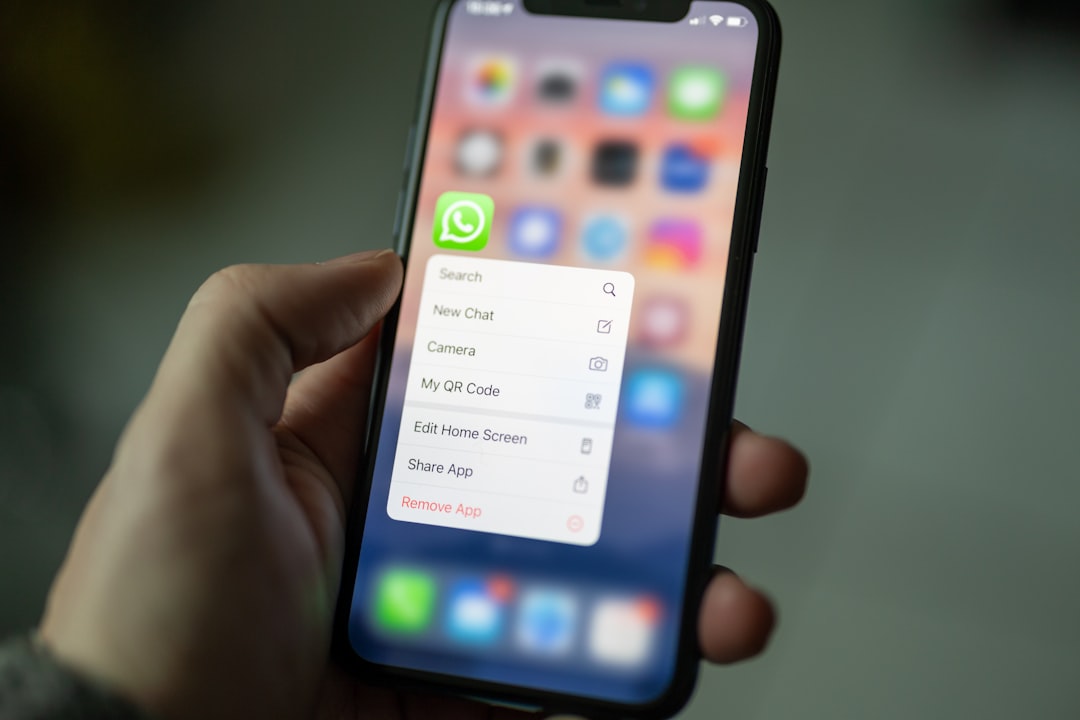
The exact process varies slightly by device and carrier, but generally follows these steps:
- Purchase an eSIM plan from your carrier.
- Receive a QR code or activation details.
- Open your device’s mobile or cellular settings.
- Select “Add Cellular Plan” or a similar option.
- Scan the QR code or enter details manually.
- Confirm and activate the plan.
Setup usually takes just a few minutes. Once activated, your phone connects just like it would with a physical SIM.
eSIM vs Physical SIM: A Quick Comparison
- Form: Physical card vs embedded chip
- Switching carriers: Swap card vs download profile
- Travel convenience: Limited vs highly flexible
- Durability: SIM tray required vs no tray needed
- Environmental impact: Plastic production vs reduced waste
Both technologies perform the same essential function, but eSIM adds a layer of digital flexibility that better fits today’s connected lifestyle.
Is eSIM Secure?
Security is a common concern for beginners. The good news is that eSIM technology is built with strong encryption and secure remote provisioning standards.
In some ways, it can even be more secure than a traditional SIM because:
- It cannot be physically removed by thieves.
- Profiles are installed through encrypted carrier systems.
- Remote management allows better control if a device is lost.
Of course, general smartphone security practices—like using passcodes and enabling device tracking—are still essential.
The Future of eSIM
Industry trends suggest that eSIM adoption will continue to grow rapidly. As 5G expands and more devices become connected—from smartwatches to cars—the need for flexible, remote activation will only increase.
We may eventually see:
- Wider global carrier support
- Fully digital activation experiences
- Increased use in Internet of Things (IoT) devices
- Phones with no SIM tray at all
The transition won’t happen overnight, but the shift is clearly underway.
Final Thoughts
eSIM technology represents a major step toward a more flexible and digital mobile future. By eliminating the physical SIM card, it simplifies switching carriers, enhances travel convenience, and allows multiple numbers on a single device. While there are still compatibility considerations to check, most modern devices now support it, and global adoption is growing fast.
If you’re buying a new phone or planning international travel, exploring eSIM options could save you time and hassle. As mobile technology continues to evolve, eSIM is quickly becoming not just an alternative—but the new standard.