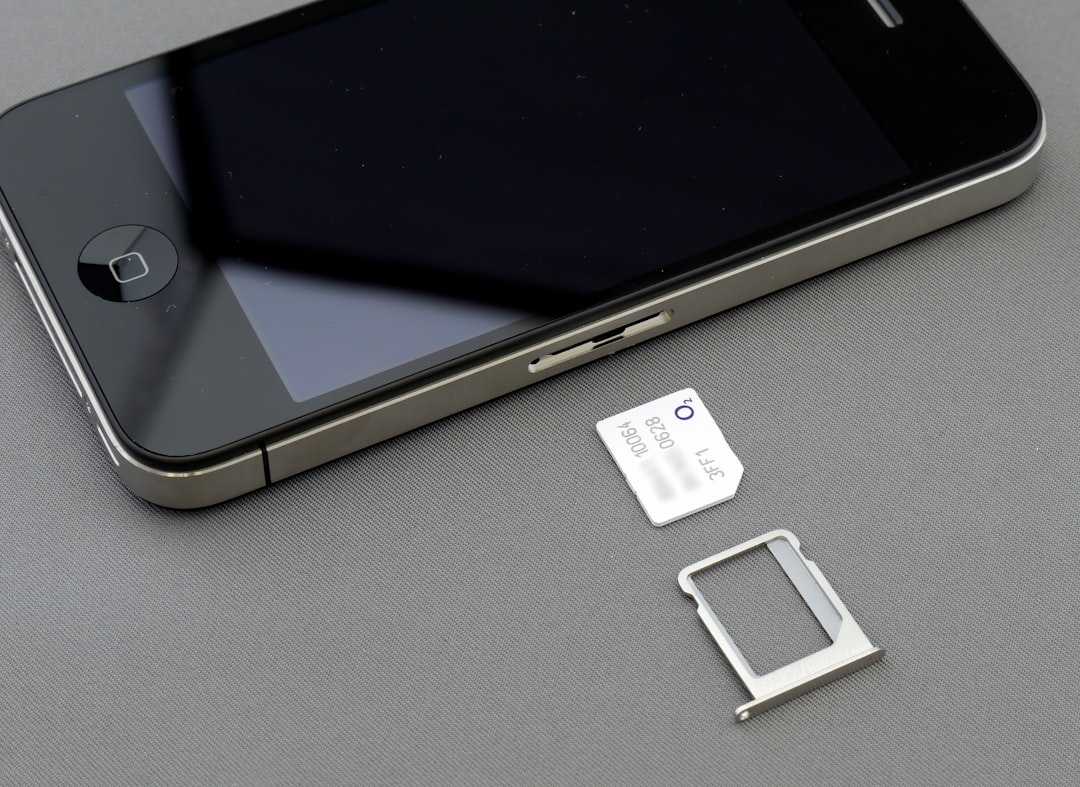
Choosing between a physical SIM and an eSIM has become an important decision for smartphone users, travelers, and businesses alike. As mobile technology evolves, the tiny plastic SIM card that once defined how we connect to cellular networks is now facing competition from a fully digital alternative. But what exactly is the difference between the two, and which one makes more sense for you? Understanding how they work, their advantages, and their limitations can help you make a smarter, future-proof choice.
TLDR: A physical SIM is a removable plastic card that connects your phone to a mobile network, while an eSIM is embedded inside your device and activated digitally. Physical SIMs are easy to swap between devices, but eSIMs offer greater convenience, flexibility, and space-saving design. Travelers and dual-number users may benefit more from eSIM technology. Ultimately, the best choice depends on your phone, your carrier, and how you use your device.
What Is a Physical SIM?
A Subscriber Identity Module (SIM) card is a small plastic card inserted into your smartphone or other mobile device. It contains a chip that stores essential information such as:
- Your phone number
- Your carrier information
- Authentication and security credentials
- Limited contact storage (on older devices)
When you insert a physical SIM into your phone, it allows your device to connect to your carrier’s cellular network. Without it, your phone cannot make calls, send texts, or use mobile data (unless connected via Wi-Fi).
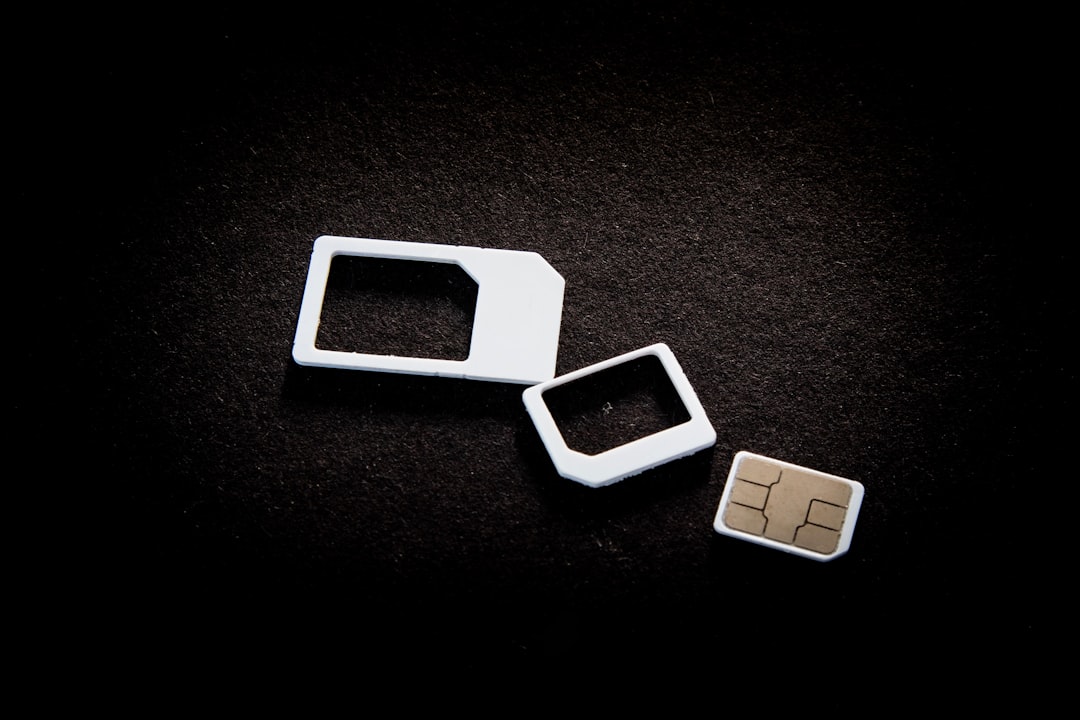
Over the years, physical SIM cards have shrunk in size—from standard SIM to micro-SIM to nano-SIM—but they still serve the same essential function. Today, the nano-SIM is the most common format used in modern smartphones.
Advantages of Physical SIM Cards
- Easy to transfer: You can quickly remove the SIM and place it in another compatible device.
- Widely supported: Almost all mobile phones support physical SIMs.
- Simple troubleshooting: If something goes wrong, removing and reinserting the SIM can sometimes fix connectivity issues.
- No learning curve: Users are familiar with how they work.
Disadvantages of Physical SIM Cards
- Can be lost or damaged: They are tiny and easy to misplace.
- Requires physical handling: Switching carriers often means waiting for a new SIM card.
- Takes up internal space: The SIM tray occupies valuable phone real estate.
What Is an eSIM?
An eSIM (embedded SIM) is a digital SIM that is built directly into your device’s hardware. Instead of inserting a plastic card, you download your carrier profile onto the embedded chip.
Rather than swapping cards, activation typically involves:
- Scanning a QR code from your carrier
- Using a carrier app
- Entering activation details manually
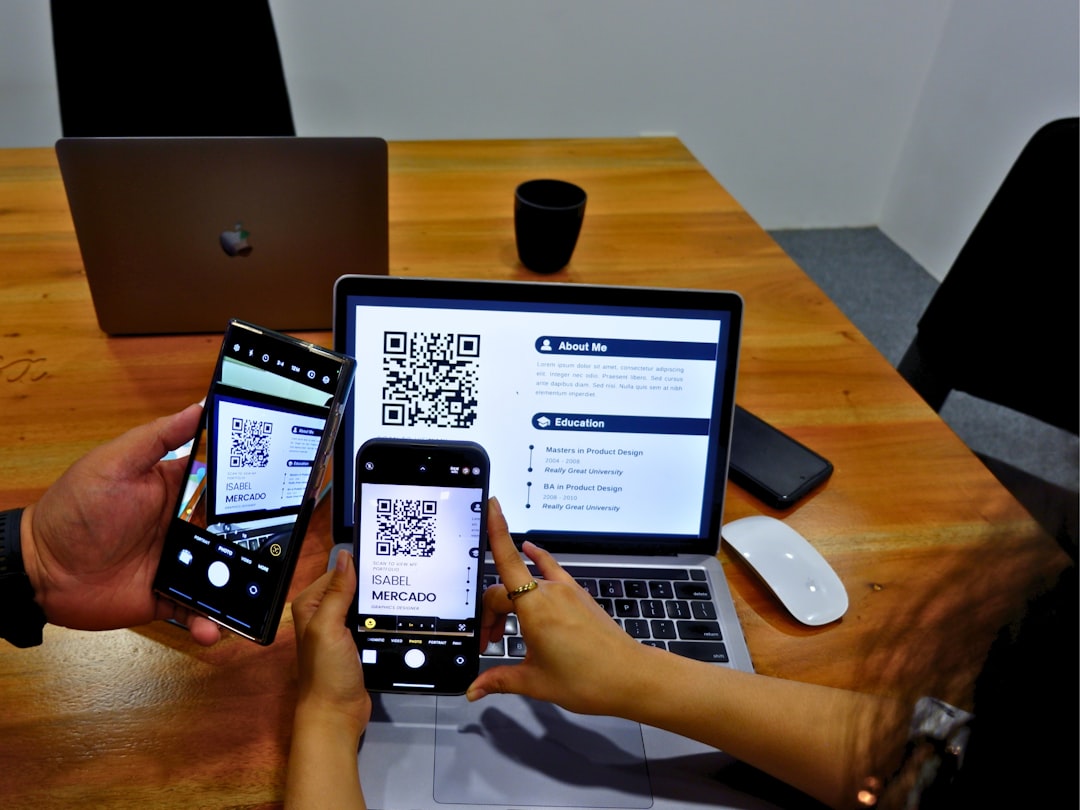
Once activated, the eSIM functions just like a traditional SIM. It connects your phone to the mobile network and assigns your number and data plan to the device.
Advantages of eSIM Technology
- No physical card needed: Everything is handled digitally.
- Easier carrier switching: You can change plans without waiting for a new SIM.
- Supports multiple profiles: Many devices can store several eSIM profiles at once.
- Space-saving design: Frees up internal space for larger batteries or additional components.
- Improved security: Cannot be removed if the phone is stolen.
Disadvantages of eSIM
- Device compatibility: Not all phones support eSIM.
- Carrier limitations: Some providers still do not offer eSIM support.
- Less intuitive for beginners: Digital activation may feel unfamiliar.
Key Differences Between Physical SIM and eSIM
While both technologies accomplish the same goal—connecting you to a mobile network—their methods differ significantly.
1. Physical vs Digital
The most obvious difference is tangible versus embedded. A physical SIM is something you can hold in your hand; an eSIM is soldered directly into the phone’s motherboard.
2. Switching Devices
With a physical SIM, moving your number to a new device is as simple as removing the card and inserting it elsewhere. With eSIM, you must deactivate it on the old device and reactivate it on the new one, often through your carrier.
3. Carrier Switching
Switching carriers with a physical SIM may require ordering a new card. With eSIM, you can often change carriers digitally in minutes.
4. Dual SIM Capabilities
Many modern phones support dual SIM setups—using two numbers on one device. This can include:
- One physical SIM + one eSIM
- Multiple stored eSIM profiles (with one active at a time)
This flexibility is especially useful for business professionals or frequent travelers.
Which Is Better for Travelers?
For international travelers, eSIM often provides a strong advantage. Instead of searching for local SIM cards at airports, you can purchase and activate a digital data plan before even boarding your flight.
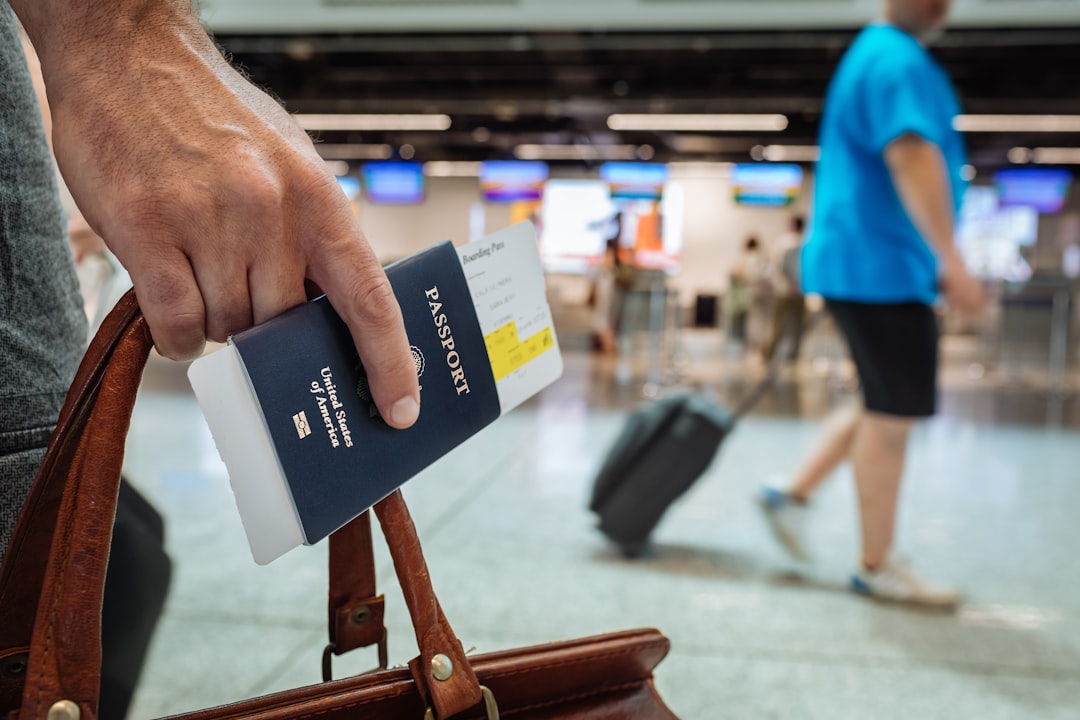
Benefits of eSIM for travel include:
- Instant activation upon arrival
- No need to remove your primary SIM
- Ability to store multiple country-specific profiles
However, in regions where eSIM support is limited, physical SIM cards may still be easier or cheaper to obtain.
Security Considerations
Security is another area where differences emerge.
Physical SIM:
- Can be removed if a phone is stolen.
- Someone could potentially insert it into another device.
eSIM:
- Cannot be physically removed.
- Requires digital authentication for transfer.
- Often tied more closely to the device’s security system.
While both rely on carrier-level encryption and authentication, eSIM provides an extra layer of hardware-level protection.
Impact on Device Design
Modern smartphones are incredibly compact. Removing the need for a SIM tray helps manufacturers:
- Increase battery size
- Improve water resistance
- Simplify internal architecture
Some newer smartphones no longer include a physical SIM tray in certain regions, signaling a gradual shift toward fully digital connectivity.
As wearable devices like smartwatches and tablets become more common, eSIM technology also makes it easier to integrate cellular connectivity into smaller form factors.
Business and Enterprise Use
For companies managing multiple employee devices, eSIM offers clear logistical advantages. IT departments can:
- Provision devices remotely
- Switch carriers without replacing hardware
- Manage connectivity plans digitally
This reduces downtime and simplifies fleet management, particularly for international teams.
Are Physical SIM Cards Becoming Obsolete?
Not immediately. Physical SIMs remain widely used and supported across most devices worldwide. However, the industry trend points toward increased eSIM adoption.
Several factors influence the pace of change:
- Carrier adoption rates
- Consumer awareness
- Device manufacturer decisions
- Regulatory environments in different countries
In the near future, we are likely to see a hybrid world where both technologies coexist.
How to Decide Which One Is Right for You
To choose between physical SIM and eSIM, consider the following questions:
- Does your phone support eSIM?
- Does your carrier offer eSIM activation?
- Do you frequently travel internationally?
- Do you need multiple numbers on one device?
- How often do you switch phones?
If you value simplicity and compatibility, a physical SIM may still be the most straightforward option. If you prefer flexibility, digital convenience, and future-ready technology, eSIM is likely the better choice.
The Future of SIM Technology
The evolution from physical SIM to eSIM reflects a broader trend toward digitization. As networks transition to faster standards like 5G and beyond, remote provisioning and cloud-managed connectivity will likely become the norm.
Eventually, the term “SIM card” itself may fade from common use, replaced entirely by invisible digital authentication systems working seamlessly in the background.
Whether you stick with the familiar plastic card or embrace embedded connectivity, both options currently provide secure and reliable access to mobile networks. The key difference lies in flexibility, convenience, and how you want to manage your digital life.
In the end, the choice between physical SIM and eSIM isn’t about better or worse—it’s about what aligns best with your lifestyle and technological needs.