AI website builders promise to turn a blank idea into a polished site in minutes, no coding required. From solo founders to marketing teams under tight deadlines, these tools are increasingly positioned as the fastest route from concept to online presence. But how good are they really, and what trade-offs come with the speed?
TLDR: AI website builders can quickly generate functional, attractive websites with minimal effort, making them ideal for beginners and fast launches. They shine in speed, cost, and ease of use, but often fall short on deep customization, performance tuning, and long-term scalability. The best results come from treating AI builders as strong starting points rather than complete, final solutions.
What AI Website Builders Actually Do
At their core, AI website builders use machine learning models trained on millions of design patterns, content layouts, and user behaviors. You typically start by answering a few questions about your business, goals, and style preferences. The system then assembles pages, text, images, and navigation structures automatically.
Most modern tools go beyond simple templates. They generate context-aware content, suggest calls to action, optimize layouts for mobile, and even preconfigure SEO settings. Some platforms also integrate AI copywriting, logo generation, and basic analytics suggestions.
Popular AI Website Builders in 2026
While new tools appear regularly, a few established platforms dominate the space:
- Wix ADI – Known for strong design aesthetics and ease of use, especially for small businesses.
- Durable – Focuses on ultra-fast site creation, often producing a full site in under a minute.
- 10Web – Combines AI generation with WordPress infrastructure for more control.
- Framer AI – Popular with designers looking for sleek, modern layouts.
- Bookmark AiDA – Emphasizes user guidance and straightforward site management.
Each platform positions itself slightly differently, but all aim to remove friction between idea and execution.
The Pros: Why People Love AI Website Builders
AI website builders have seen rapid adoption for a reason. When they work well, the benefits are hard to ignore.
- Speed to launch – A usable website can be online in hours rather than weeks.
- Low barrier to entry – No coding, design, or hosting expertise required.
- Cost efficiency – Subscriptions are often far cheaper than hiring developers or agencies.
- Built-in best practices – Mobile responsiveness, basic SEO, and accessibility are often handled automatically.
- Reduced decision fatigue – AI narrows choices and suggests layouts that already work.
For freelancers, local businesses, and early-stage startups, these advantages can be the difference between launching and stalling.

The Cons: Where AI Builders Fall Short
Despite their strengths, AI website builders are not magic. Their limitations become more apparent as your needs grow.
- Limited customization – Advanced layouts, unique interactions, and custom logic can be difficult or impossible.
- Generic content risk – AI-written copy may sound polished but lack brand voice or differentiation.
- Performance constraints – Auto-generated sites can include bloated scripts or unnecessary elements.
- Vendor lock-in – Migrating away from an AI builder can be challenging.
- SEO ceiling – Basic optimization is covered, but advanced SEO strategies often require manual work.
For businesses aiming for long-term growth, these limitations often necessitate a transition to custom development later.
Real-World Results: What Users Are Seeing
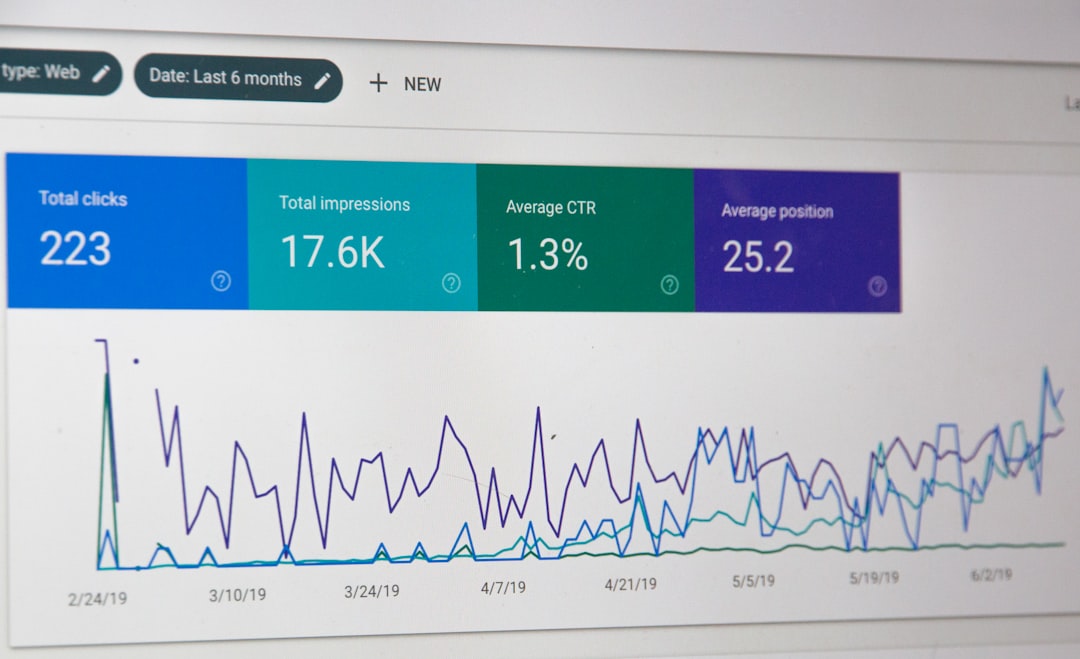
In testing and user surveys, AI-built websites tend to perform surprisingly well in early metrics. Launch times are reduced dramatically, and bounce rates are comparable to manually designed sites when layouts are clean and messaging is clear.
However, conversion optimization often plateaus. Without tailored user journeys, advanced A/B testing, or deep personalization, many AI sites struggle to outperform more deliberately crafted experiences. This doesn’t mean they fail; rather, they stabilize at a “good enough” level.
Interestingly, teams that use AI builders as prototypes often achieve the best outcomes. They launch fast, validate ideas, collect user feedback, and later refine or rebuild with greater precision.
Who Should Use an AI Website Builder?
AI website builders are not one-size-fits-all, but they are excellent for specific scenarios:
- Entrepreneurs testing ideas without committing large budgets.
- Local businesses needing a professional online presence quickly.
- Creators and freelancers showcasing portfolios.
- Marketing teams launching short-term campaigns or landing pages.
On the other hand, enterprises with complex integrations, custom workflows, or strict branding requirements may find AI builders restrictive.
Best Practices for Getting the Most Value
To avoid disappointment, it helps to approach AI website builders strategically.
- Edit the content manually to better reflect your brand voice.
- Audit performance using external tools and simplify where possible.
- Treat the first version as a draft, not the final product.
- Plan for scalability if your project is likely to grow.
Think of AI as a collaborator that accelerates the boring parts, not a replacement for human judgment.
Final Verdict
AI website builders have matured into powerful tools that genuinely lower the barrier to getting online. They deliver impressive results in speed and usability, especially for straightforward projects with limited resources. Their weaknesses lie in nuance, originality, and long-term flexibility.
Used wisely, an AI website builder can be the fastest path from idea to impact. Just remember: the best websites still benefit from human creativity, strategic thinking, and continuous improvement.