
Running a show is exciting. It can also feel like juggling flaming props while wearing tap shoes. The OnTheStage login gives your team one place to manage tickets, events, patrons, and box office tasks. This guide keeps it simple, clear, and a little fun.
TLDR: Log in to OnTheStage, choose your organization, and head to the dashboard to manage shows, tickets, customers, and box office sales. For example, a theatre selling 500 seats can track online orders, walk-up sales, and refunds from one place. A small team could save hours each week by using shared access and reports. Use strong passwords, check user roles, and review sales data often.
What Is OnTheStage?
OnTheStage is a platform made for theatres, schools, venues, and performance groups. It helps you sell tickets, promote events, and manage your audience. Think of it as your digital stage manager. It keeps the chaos backstage and lets the audience see the sparkle.
With an OnTheStage account, you can usually access tools for:
- Ticket sales for online and box office purchases.
- Event setup for plays, musicals, concerts, and more.
- Seating charts for reserved seating events.
- Customer records for patrons and buyers.
- Reports for sales, attendance, and revenue.
- Marketing tools to help promote your show.
It is built for people who love live events, not spreadsheets. That is the best kind of software.
How to Log In to OnTheStage
The login process is simple. You only need your account email and password. If your organization invited you, use the email connected to that invite.
- Go to the OnTheStage login page.
- Enter your email address.
- Enter your password.
- Click the login button.
- Select your organization, if you manage more than one.
- Open your dashboard.
Once inside, you can start working with events, ticketing, reports, and customer tools. If you only see a few options, do not panic. Your access may depend on your user role.
Understanding User Roles
Not every team member needs every tool. Your usher does not need to edit ticket prices. Your director does not need to process refunds during intermission. User roles help keep things tidy.
Common access levels may include:
- Admin: Full access to settings, events, ticketing, reports, and users.
- Box Office: Access to sales, orders, check-in, customer lookup, and tickets.
- Marketing: Access to event promotion tools and audience lists.
- Viewer: Limited access to reports or basic event details.
Tip: Give people only the access they need. It keeps your account safer. It also prevents accidental edits, like turning a Friday night musical into a Tuesday morning puppet show.
Box Office Access: The Main Attraction
The box office area is where ticket magic happens. This is where staff can sell tickets, find orders, help guests, and fix small problems before the curtain rises.
Box office tools may help you:
- Sell tickets in person.
- Search for a customer by name or email.
- Look up order details.
- Resend confirmation emails.
- Print or reprint tickets.
- Process exchanges, if allowed.
- Handle refunds, based on your policy.
- Check people in at the door.
This is useful on show night. Very useful. Someone always forgets their ticket. Someone always uses an old email address. Someone always says, “My friend bought it.” The box office dashboard helps your team answer fast.
Setting Up an Event
Before tickets can sell, your event needs to exist. Event setup is where you build the show page and set the rules.
You may need to add:
- Event title: The name of the show.
- Date and time: Each performance slot.
- Venue: Where the event happens.
- Description: A fun summary for buyers.
- Images: Posters, logos, or production art.
- Ticket types: Adult, student, senior, VIP, or group tickets.
- Prices: The cost for each ticket type.
- Sales window: When tickets go on sale and close.
Keep your event description short and lively. Tell people why they should come. Give them the vibe. Is it spooky? Silly? Romantic? Full of tap dancing pirates? Say so.
Reserved Seating and General Admission
OnTheStage may support different seating styles. The two big ones are reserved seating and general admission.
Reserved seating lets buyers choose specific seats. This is great for theatres with numbered rows and seats. It helps guests pick the perfect view. It also helps your team avoid seat confusion.
General admission means buyers get entry, but not a specific seat. This is great for smaller venues, flexible spaces, or standing events. It is simple and fast.
Choose the seating style that matches your venue. If your venue has a real seating chart, reserved seating can make your box office life much easier.
Managing Orders and Customers
The customer area is your audience memory bank. It helps you see who bought tickets, when they bought them, and what they bought.
You can use order and customer tools to:
- Confirm payment details.
- Find missing tickets.
- Update customer contact details.
- Check purchase history.
- Answer questions faster.
- Spot loyal patrons.
For example, if Maria calls and says she bought two tickets for Saturday, your staff can search her name. They can confirm the order. They can resend the email. Maria is happy. Your line keeps moving. Everyone wins.
Reports: Your Backstage Crystal Ball
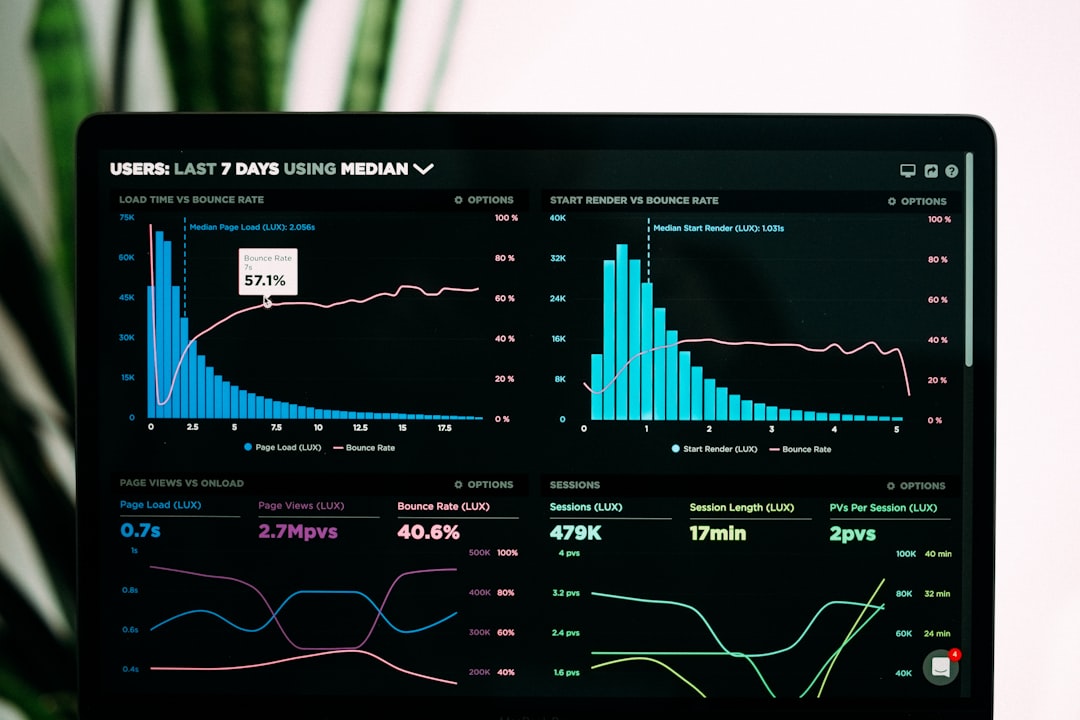
Reports help you understand what is happening. They turn ticket sales into useful numbers. No magic wand needed.
Useful reports may include:
- Sales reports: See how much money came in.
- Attendance reports: See how many people came.
- Performance reports: Compare nights or showtimes.
- Ticket type reports: See adult, student, senior, or group sales.
- Customer reports: Learn more about your audience.
Here is a simple example. Let’s say Friday sold 82% of seats. Saturday sold 96%. Sunday sold 61%. That tells you something. Maybe Saturday needs more promotion next time. Maybe Sunday needs a lower price or a matinee deal.
Event Management Features That Help the Whole Team
OnTheStage is not just for selling tickets. It can also support event planning and promotion. Your team can keep show information in one place. That means fewer lost notes. Fewer email chains. Fewer “Who changed that?” moments.
Helpful event management features may include:
- Multiple performance dates.
- Custom ticket categories.
- Promo codes and discounts.
- Online event pages.
- Donation options, if supported.
- Email tools or audience communication.
- Real-time sales tracking.
Fun idea: Create a promo code for opening weekend. Use something simple like BRAVO10. Then check your reports to see how many people used it.

Login Problems and Quick Fixes
Login issues happen. They are annoying, but usually easy to fix.
- Forgot password? Use the password reset option.
- Wrong email? Try the email used for your invite.
- No dashboard? Ask an admin to check your role.
- Page not loading? Clear your browser cache.
- Still stuck? Try another browser or device.
Also check your internet connection. Yes, it sounds basic. But the Wi-Fi loves drama on show night.
Security Tips for Your Account
Your box office account handles money and patron information. Treat it with care.
- Use a strong password.
- Do not share logins.
- Remove old users after staff changes.
- Review user roles often.
- Log out on shared computers.
- Use secure networks when possible.
A shared login might feel easy. It is not smart. Give each person their own account. That way, you know who did what.
Best Practices for Smooth Show Nights
Show night should feel exciting, not frantic. A little prep helps a lot.
- Test the login before doors open.
- Print a basic attendee list as backup.
- Charge all box office devices.
- Train staff on order search.
- Review refund and exchange rules.
- Keep a calm person at the front desk.
The calm person is important. Every theatre has one. Protect them. Give them snacks.
Final Curtain
The OnTheStage login is your doorway to ticketing, box office tools, event setup, customer records, and reports. Once your team knows where everything lives, the whole process gets smoother. Guests get help faster. Staff feel more confident. And your show gets the spotlight it deserves.
So log in, check your dashboard, and take control of the ticket table. The audience is coming. The seats are waiting. Break a leg!