
In the age of digital transformation, data has become the backbone of modern business. But as organizations grow, they accumulate massive volumes of data across departments, systems, and geographies. Without a unified view, this data becomes fragmented, duplicated, and inconsistent. That’s where Master Data Management (MDM) platforms come in — helping businesses create a single, trusted source of truth that fuels better decisions, compliance, and operational efficiency.
TLDR: Master Data Management platforms centralize, cleanse, and synchronize core business data across systems to create a single source of truth. While Informatica MDM is a market leader, several powerful alternatives provide robust governance, scalability, and AI-driven data quality features. This article explores four top MDM platforms comparable to Informatica MDM and includes a handy comparison chart to help you choose the right solution. If clean, consistent, enterprise-wide data matters to your business, these tools deserve attention.
Before diving into the alternatives, it’s important to understand what makes platforms like Informatica MDM valuable. They:
- Consolidate master data from multiple sources
- Eliminate duplicates through advanced matching and merging
- Standardize data formats across departments
- Enforce governance policies and compliance standards
- Enable real-time synchronization across applications
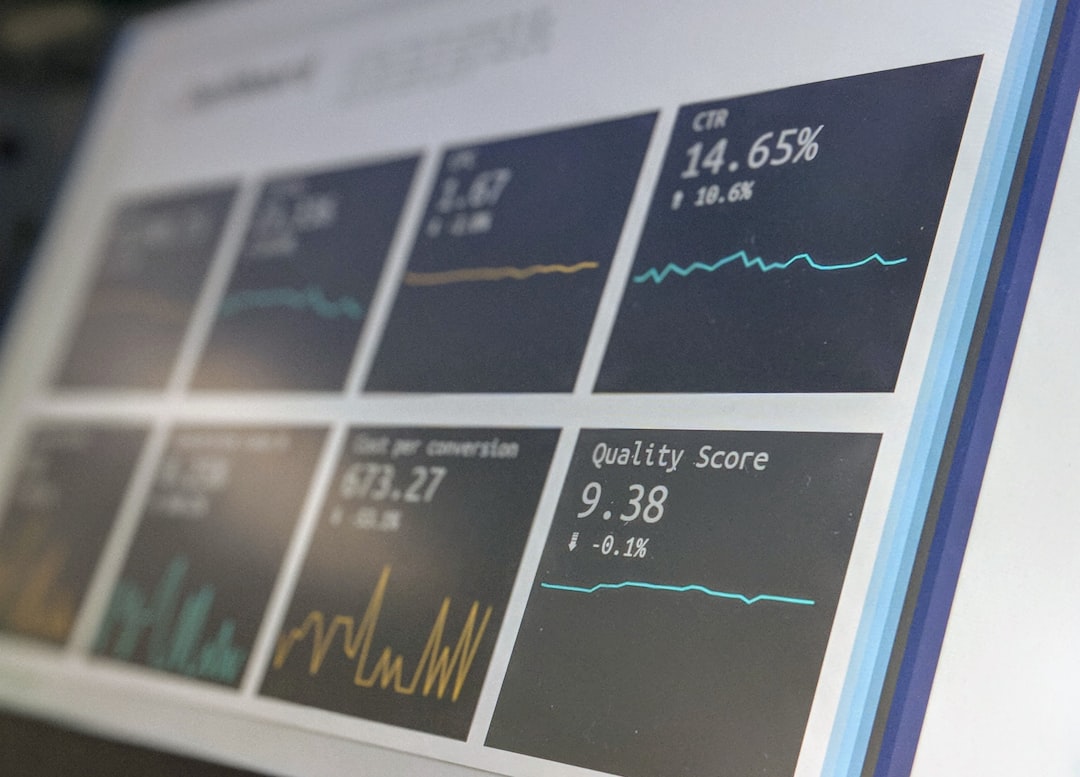
If you’re looking for tools that deliver similar capabilities, here are four industry-leading MDM platforms worth exploring.
1. SAP Master Data Governance (SAP MDG)
SAP Master Data Governance is a powerful enterprise-grade MDM solution designed for organizations already operating within the SAP ecosystem. It enables centralized creation, validation, and distribution of master data across systems.
Key Strength: Deep integration with SAP applications and robust governance controls.
Notable Features:
- Native integration with SAP S/4HANA
- Built-in workflows for data approvals
- Strong financial and supply chain domain support
- Role-based access and governance rules
- AI-assisted data quality monitoring
SAP MDG is particularly strong in industries like manufacturing, retail, and logistics, where supply chain accuracy is mission-critical. Its workflow-centric governance framework ensures master data changes are reviewed and validated before distribution.
Best for: Enterprise companies deeply invested in SAP infrastructure.
2. IBM InfoSphere Master Data Management
IBM InfoSphere MDM is a well-established platform known for its flexibility and scalability. It offers both on-premises and cloud deployment options, alongside AI-powered data quality tools through IBM Watson integration.
Key Strength: Advanced entity resolution and analytics capabilities.
Notable Features:
- Probabilistic matching and entity resolution
- Multi-domain MDM (customer, product, supplier, more)
- Event-driven architecture
- Hybrid cloud support
- Strong compliance and audit controls
IBM’s probabilistic matching engine helps identify hidden relationships between data records — crucial for financial services, healthcare, and government organizations where identity resolution is paramount.
Image not found in postmetaBest for: Large enterprises requiring advanced AI capabilities and identity resolution.
3. Oracle Enterprise Data Management (EDM)
Oracle Enterprise Data Management focuses on managing and governing changes to enterprise data assets across finance, HR, supply chain, and operations. It emphasizes collaboration, change tracking, and data integrity.
Key Strength: Cross-functional data alignment with strong governance workflows.
Notable Features:
- Cloud-native architecture
- Impact analysis and change visualization
- Integrated governance dashboards
- Workflow-driven data stewardship
- Support for multiple data domains
Oracle’s platform shines when businesses struggle with fragmented governance between departments. Its visualization tools make it easier to understand how data changes impact downstream systems.
Best for: Organizations seeking user-friendly governance and finance-aligned MDM.
4. TIBCO EBX
TIBCO EBX is a modern, flexible MDM platform designed to manage, govern, and share master data assets across complex IT landscapes. Known for its adaptability, EBX supports multi-domain MDM with strong data modeling capabilities.
Key Strength: Exceptional data modeling flexibility and user-friendly governance interface.
Notable Features:
- Multi-domain master data support
- Highly customizable data models
- Visual data governance tools
- Cloud and on-prem deployments
- Collaborative data stewardship
TIBCO EBX is widely appreciated for making governance accessible to business users, not just IT teams. Its intuitive UI enables collaboration between technical teams and data stewards.
Best for: Companies needing agile, flexible, and business-friendly MDM systems.
Comparison Chart: Top MDM Platforms Like Informatica
| Platform | Deployment | AI & Matching | Best For | Scalability |
|---|---|---|---|---|
| SAP MDG | On-prem & Cloud | Moderate AI capabilities | SAP-centric enterprises | Enterprise-grade |
| IBM InfoSphere MDM | Hybrid & Cloud | Advanced probabilistic AI matching | Complex identity resolution | Very High |
| Oracle EDM | Cloud-native | Moderate AI with impact analysis | Finance and operations alignment | High |
| TIBCO EBX | On-prem & Cloud | Rule-based and configurable | Flexible multi-domain governance | High |
What to Look for in an MDM Platform
While each platform offers strong capabilities, selecting the right one depends on your organization’s priorities. Consider these essential factors:
1. Data Domains Supported
Some businesses only require customer MDM, while others need product, supplier, asset, or financial data management. Choose a platform that supports your core data domains.
2. Integration Capabilities
Ensure seamless connectivity with ERP, CRM, analytics tools, and third-party systems. Prebuilt connectors can significantly reduce implementation timelines.
3. Governance & Workflow
A strong stewardship model ensures data accuracy. Look for platforms offering approval processes, audit trails, and role-based permissions.
4. AI & Automation
Modern MDM solutions leverage machine learning to automate data matching, detect anomalies, and suggest corrections.
5. Scalability
As your business grows, your MDM platform should handle increasing volumes, new domains, and global compliance requirements.
Why a Single Source of Truth Matters More Than Ever
Without MDM, organizations face:
- Duplicate customer records
- Inconsistent product descriptions
- Conflicting financial reports
- Regulatory compliance risks
- Poor analytics and forecasting
With a well-implemented MDM system, businesses benefit from:
- Improved customer experiences through consistent data
- More accurate analytics and reporting
- Regulatory compliance with auditable data lineage
- Operational efficiency through streamlined workflows
- Faster digital transformation initiatives
When every department works from the same trusted dataset, decision-making becomes faster and more confident. With the latest Oracle release, organizations can leverage improved data capabilities and streamlined workflows to enhance collaboration across teams. Marketing campaigns become more targeted, supply chains more optimized, and executive strategies more data-driven.
Final Thoughts
Informatica MDM remains a strong leader in the space, but it’s far from your only option. SAP MDG, IBM InfoSphere MDM, Oracle Enterprise Data Management, and TIBCO EBX each offer powerful capabilities to help centralize, govern, and synchronize master data across complex enterprises.
The best solution ultimately depends on your organization’s size, technical ecosystem, industry requirements, and long-term data strategy. Regardless of which platform you choose, investing in Master Data Management is not just about cleaning data — it’s about creating a reliable foundation for digital growth, innovation, and smarter business decisions.
Because in today’s data-driven world, the companies that win are the ones that trust their data — and can act on it with confidence.