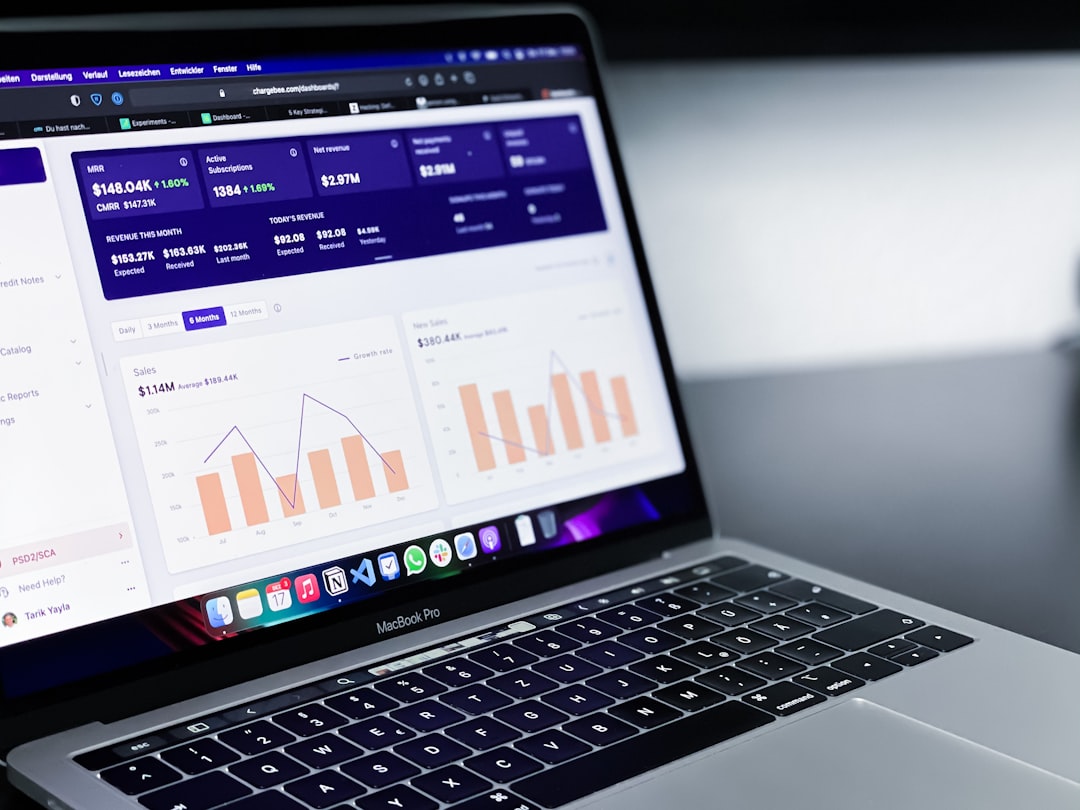
Dataiku is the best overall AI software for larger businesses, while KNIME is the better fit for technical teams that want control, Akkio is fastest for marketers and sales teams, and Obviously AI is the simplest option for quick predictions. KNIME Analytics Platform is also free and open source, which matters for teams watching software costs [source: KNIME].
TLDR: For enterprise AI projects, Dataiku wins because it handles data prep, machine learning, governance, and deployment in one place. KNIME is best when analysts need visual workflows and repeatable data pipelines without paying upfront license fees. For example, a sales team with 50,000 leads could use Akkio or Obviously AI to predict which 12% are most likely to convert, while a bank or insurer would likely need Dataiku for model control and audit trails.
Best choice by business problem
Each tool solves a different kind of business problem. That sounds obvious, but this is where many buyers get stuck. They compare feature lists, then end up with software that is either too heavy or too limited.
- Choose Dataiku for enterprise AI, governed machine learning, and cross-team analytics.
- Choose KNIME for data workflows, automation, data science experiments, and open source flexibility.
- Choose Akkio for fast sales, marketing, and operations predictions with minimal setup.
- Choose Obviously AI for simple no-code prediction tasks and business users who need answers fast.
Dataiku: best for serious enterprise AI
Dataiku is built for companies that need AI across many teams. It supports data preparation, machine learning, model monitoring, collaboration, and deployment. This makes it a strong pick for banks, retailers, manufacturers, telecom firms, and large SaaS companies.
Its biggest strength is control. Data scientists, analysts, engineers, and business teams can work in the same platform. Some users can code. Others can use visual tools. That mix is useful when AI projects move from testing into production.
The catch is that Dataiku can feel heavy for smaller teams. Setup often takes planning. Governance settings, environments, permissions, and deployment steps can slow down a small project. A team that only wants churn prediction by Friday may feel boxed in by all the structure.
Best for: fraud detection, demand forecasting, customer churn, risk scoring, supply chain modeling, and regulated AI systems.
KNIME: best for flexible data workflows
KNIME is loved by technical analysts because it gives them visual control over data pipelines. Users drag nodes onto a canvas, connect them, and build repeatable workflows. It can clean data, join files, train models, call APIs, and create reports.
KNIME is especially good when a business has messy data. Think spreadsheets from finance, CRM exports from sales, and database tables from operations. KNIME can pull them together without forcing every user to write code.
It also has a large extension system. That is useful, but it can get annoying. Expect to waste time finding the right node, installing an extension, then learning why one setting breaks the workflow. It is powerful, but not always smooth.
Best for: data cleaning, ETL workflows, model testing, reporting automation, and analytics teams that want a low-cost starting point.

Akkio: best for sales and marketing teams
Akkio focuses on speed. It is made for business teams that want predictions without hiring a full data science group. Users can upload data, pick a target column, and build a model for tasks like lead scoring, churn risk, revenue forecasting, or campaign response.
Akkio works well for teams that live inside CRM and marketing tools. A sales manager could use it to rank leads by conversion chance. A marketing team could predict which customers are likely to click a campaign. The value is speed, not deep model tuning.
Its weakness is depth. Data science teams may find it too narrow. Complex feature engineering, custom modeling, and strict model review are not its main focus. Still, for quick business predictions, it does the job without much drama.
Best for: lead scoring, ad performance prediction, churn alerts, pipeline forecasting, and campaign planning.
Obviously AI: best for simple no-code predictions
Obviously AI is the easiest tool in this group for non-technical users. It is built around plain prediction tasks. A user uploads a dataset, selects what to predict, and gets results in a simple interface.
This makes it useful for small businesses and business analysts who need a fast answer. For example, a support team could predict which customers may cancel. A finance team could estimate late payment risk. A retail team could forecast whether a product will sell above a target level.
Honestly, it feels like the tool is at its best when the problem is simple. When data is messy, spread across many systems, or tied to strict compliance rules, it can feel too light. That is not a flaw for every company. It just means the fit must be clear.
Best for: quick predictions, small team analytics, churn risk, revenue estimates, and business users with clean CSV files.
Quick comparison
| Tool | Best fit | Main strength | Main drawback |
|---|---|---|---|
| Dataiku | Large companies | Governed AI from prep to deployment | Can be too complex for small teams |
| KNIME | Analysts and data teams | Flexible visual workflows | Node setup can be time-consuming |
| Akkio | Sales and marketing | Fast no-code prediction | Less suited for complex data science |
| Obviously AI | Small teams and business users | Very simple prediction interface | Limited for advanced AI projects |

Final verdict
Dataiku is the safest pick for companies treating AI as a long-term business system. KNIME is the practical choice for teams that want control and repeatable workflows. Akkio is best when revenue teams need quick predictions. Obviously AI is best when simplicity matters more than customization.
FAQ
Which AI software is best overall?
Dataiku is best overall for larger companies because it covers data prep, machine learning, governance, and deployment.
Which tool is best for small businesses?
Obviously AI and Akkio are better for small businesses because they are easier to use and faster to set up.
Is KNIME good for non-coders?
Yes. KNIME uses visual workflows, so non-coders can build data processes. Some technical skill still helps.
Which platform is best for sales teams?
Akkio is the strongest fit for sales teams, especially for lead scoring, pipeline forecasting, and churn prediction.
Which tool is best for regulated industries?
Dataiku is usually the strongest choice for regulated industries because it supports governance, collaboration, and production AI controls.