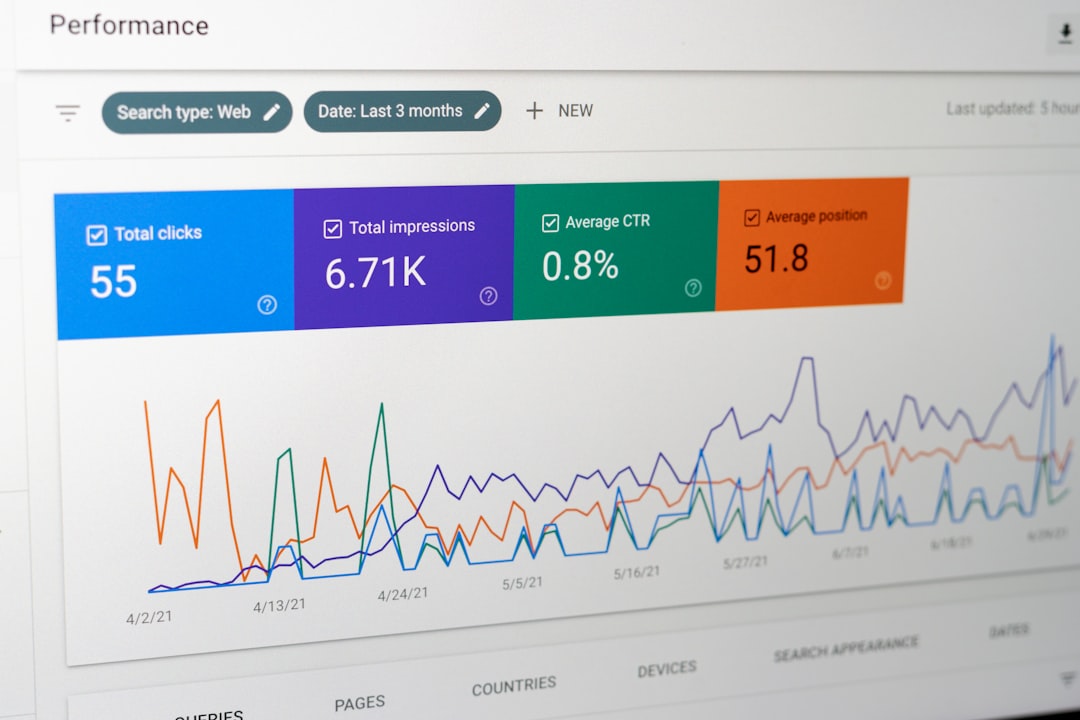
Search engine optimization has evolved far beyond simply collecting hundreds of keywords and stuffing them into pages. Today, successful SEO strategies revolve around organizing keywords by intent and building structured content around meaningful clusters. This is where keyword clustering platforms step in. These tools help marketers transform overwhelming keyword lists into actionable topic groups that reflect how real users search, think, and make decisions online.
TLDR: Keyword clustering platforms automatically group related keywords based on semantic similarity and search intent. They help marketers create content hubs, improve topical authority, and avoid keyword cannibalization. By organizing keywords into structured clusters, businesses can streamline content planning and boost rankings. The right tool depends on your workflow, scale, and SEO goals.
Instead of manually sorting thousands of search terms in spreadsheets, clustering platforms use algorithms, SERP analysis, and AI-driven natural language processing to group keywords intelligently. The result? Clear content roadmaps, better user intent targeting, and stronger organic performance.
Why Organizing Keywords by Intent Matters
Modern search engines prioritize intent satisfaction. Simply targeting a keyword isn’t enough—you must understand why someone is searching.
There are generally four core types of search intent:
- Informational – The user wants to learn something.
- Navigational – The user is looking for a specific site or brand.
- Commercial Investigation – The user is evaluating options.
- Transactional – The user is ready to take action or make a purchase.
Keyword clustering platforms detect intent patterns by analyzing top-ranking pages in search results. If multiple keywords trigger similar SERPs, algorithms recognize them as belonging to the same cluster.
This approach allows marketers to:
- Build comprehensive pillar pages
- Create supporting blog content
- Avoid duplicate targeting
- Enhance internal linking structures
- Strengthen topical authority
How Keyword Clustering Platforms Work
Although each tool has its own proprietary method, most clustering platforms rely on three main techniques:
1. SERP Similarity Analysis
The platform compares search engine results pages for different keywords. If two terms share similar top-ranking pages, they are grouped into the same cluster.
2. Semantic Analysis
Using natural language processing, tools identify semantic relationships between phrases, even if exact wording differs.
3. AI and Machine Learning
Advanced tools leverage AI to refine clusters over time and detect nuanced intent differences.
The outcome is typically a simplified structure like:
- Main Topic Cluster
- Primary Keyword
- Supporting Keywords
- Long-tail Variants
This structure forms the backbone of high-performing SEO content strategies.
Top Keyword Clustering Platforms
Several platforms stand out when it comes to organizing keywords by intent. Below is an overview of popular tools marketers rely on.
1. Surfer SEO
Surfer SEO includes advanced keyword clustering capabilities, often referred to as topical mapping. It analyzes SERPs and groups keywords automatically, making it ideal for content strategists building large topic silos.
Best for: Content teams focused on on-page optimization and data-driven content planning.
2. Keyword Insights
This tool specializes entirely in keyword clustering. It uses SERP similarity to group keywords efficiently and provides intent classification as part of the output.
Best for: Agencies and large-scale SEO projects.
3. SE Ranking
SE Ranking offers a keyword grouper tool that clusters keywords automatically based on SERP overlap. It integrates well with broader SEO management features.
Best for: SEO professionals wanting an all-in-one platform.
4. ClusterAI
ClusterAI focuses on semantic processing and AI-based topic grouping. It’s known for scalability, making it useful for enterprise-level projects.
Best for: Large websites managing thousands of keywords.
5. Ahrefs (Manual + API Workflows)
While Ahrefs does not offer built-in automated clustering in the same way some dedicated tools do, it provides robust data for custom clustering workflows through exports and API integrations.
Best for: Advanced users who want flexibility and deep data control.
Comparison Chart
| Platform | Clustering Method | Intent Detection | Best For | Ease of Use |
|---|---|---|---|---|
| Surfer SEO | SERP similarity + NLP | Yes | Content teams | High |
| Keyword Insights | SERP overlap | Yes | Agencies | High |
| SE Ranking | SERP similarity | Limited | All-in-one SEO users | Medium |
| ClusterAI | AI semantic analysis | Yes | Enterprise SEO | Medium |
| Ahrefs | Manual clustering via data export | No built-in auto intent | Advanced users | Medium to Low |
Key Features to Look For
Not all keyword clustering tools are created equal. When selecting a platform, prioritize the following features:
- Automatic SERP-Based Clustering – Ensures data-driven grouping.
- Intent Classification – Identifies informational versus transactional keywords.
- Scalability – Handles thousands of keywords efficiently.
- Export Options – Seamless integration with spreadsheets or project tools.
- Integration with Content Optimization Tools – Improves workflow synergy.

Benefits of Using Clustering Platforms
1. Stronger Topical Authority
Search engines reward websites that cover subjects comprehensively. Instead of publishing scattered articles, clusters help build authoritative content hubs.
2. Reduced Keyword Cannibalization
Targeting similar keywords across multiple pages can hurt rankings. Clustering ensures one page targets one unified group.
3. Faster Content Planning
What once took days in spreadsheets can now be done in minutes.
4. Clearer Site Architecture
Clusters naturally inform internal linking strategies and content hierarchies.
5. Higher Ranking Potential
By aligning content with grouped intent patterns, businesses often rank for multiple variations simultaneously.
Practical Workflow for Using Keyword Clustering Tools
Here’s how professionals typically incorporate clustering platforms into their SEO strategy:
- Collect Keywords – Extract from tools like Google Search Console, competitor analysis, and keyword research platforms.
- Upload to Clustering Platform – Allow automated grouping.
- Review and Refine – Validate clusters align with business goals.
- Create Pillar Content – Target the primary keyword.
- Develop Supporting Articles – Cover subtopics within the cluster.
- Build Internal Links – Connect related content logically.

Common Mistakes to Avoid
While clustering platforms are powerful, misuse can limit their impact.
- Blind Trust in Automation – Always manually review important clusters.
- Ignoring Business Intent – Not every informational keyword aligns with revenue goals.
- Over-Clustering – Some keywords may deserve standalone pages.
- Neglecting Content Quality – Clusters guide structure, but value drives rankings.
The Future of Keyword Clustering
As AI evolves, keyword clustering platforms are becoming increasingly intelligent. We’re seeing stronger natural language understanding, better predictive analysis, and automated content suggestions based on clusters.
In the future, clustering tools may:
- Predict ranking difficulty per cluster.
- Recommend optimal content formats.
- Suggest internal linking maps automatically.
- Align keyword clusters with conversion data.
The shift from isolated keyword targeting to intent-driven topic ecosystems is irreversible. Brands that structure their content around clusters rather than scattered keywords are positioning themselves for long-term organic growth.
Final Thoughts
Keyword clustering platforms have fundamentally changed how SEO professionals approach content strategy. Instead of chasing individual search terms, marketers now build coherent content systems guided by intent and semantic relevance. Whether you’re an agency managing multiple clients or an in-house strategist scaling a growing website, clustering tools can transform chaos into clarity.
By organizing keywords into meaningful, actionable groups, you create stronger content, clearer user journeys, and better chances of dominating search results. In an increasingly competitive digital landscape, structure and intent are no longer optional—they are essential.