
Every serious content creator has faced the same uncomfortable moment: the cursor blinks, the deadline approaches, and the right words refuse to appear. Writer’s block is not always a lack of knowledge or discipline; often, it is the result of decision fatigue, unclear structure, or the pressure to produce valuable content consistently. A blog post generator can help by turning a vague idea into a workable draft, giving writers a practical starting point instead of an empty page.
TLDR: A blog post generator can help overcome writer’s block by producing outlines, ideas, introductions, and draft content quickly. It saves time by reducing repetitive planning work and making the writing process more structured. While it should not replace human judgment, it can be a reliable assistant for creating clearer, faster, and more consistent blog content.
Why Writer’s Block Happens
Writer’s block is often misunderstood. It is not simply laziness or a lack of creativity. In many cases, it happens because the writer is trying to solve too many problems at once: choosing an angle, organizing ideas, selecting keywords, writing a compelling introduction, maintaining the right tone, and meeting a deadline.
When all of these decisions pile up, the brain can slow down. A writer may know the topic well but still struggle to begin. This is especially common for marketers, business owners, freelancers, and content teams who need to publish regularly. The pressure to produce useful, original, and search-friendly content can make even familiar topics feel difficult.
A blog post generator reduces that pressure by separating the process into manageable steps. Instead of demanding a finished article immediately, it can help create a title, outline, introduction, section ideas, and first draft. This makes the task feel less overwhelming and more practical.
Turning a Blank Page Into a Starting Point
The hardest part of writing is often the beginning. A blank page can create uncertainty because there is nothing to react to, revise, or improve. A blog post generator solves this by providing an initial draft or framework. Even if the first version is not perfect, it gives the writer something concrete to work with.
This matters because editing is usually easier than creating from nothing. A generated draft can reveal what works, what is missing, and what needs to be rewritten. It helps the writer move from “I do not know where to start” to “I can improve this.” That shift is often enough to break through the mental barrier.

For example, a small business owner who wants to write about email marketing may struggle to choose a clear angle. A blog post generator can suggest options such as “email marketing tips for beginners,” “how to improve open rates,” or “common email campaign mistakes.” Once the direction is visible, the writer can choose the most relevant option and customize it for their audience.
Saving Time in the Planning Stage
Planning is essential, but it can consume a surprising amount of time. Before writing a blog post, many creators need to research the topic, identify subtopics, organize sections, and decide how the article should flow. A blog post generator can speed up this stage by producing structured outlines within seconds.
A useful outline may include:
- A clear introduction that defines the topic and sets expectations.
- Main sections that address the reader’s most important questions.
- Supporting points that help explain each section in detail.
- A practical conclusion that summarizes the article and encourages action.
This structure gives writers a roadmap. Instead of deciding what to write next at every stage, they can follow a logical sequence. That saves time and helps prevent the article from becoming disorganized or repetitive.
Helping With Content Consistency
Consistency is one of the biggest challenges in blogging. Publishing one strong article is useful, but maintaining a regular schedule is what builds long-term authority and audience trust. Unfortunately, consistency requires time, energy, and planning. When writers are tired or busy, content production is often the first task to be postponed.
A blog post generator can support consistency by making it easier to produce drafts regularly. It can help create content calendars, suggest topic clusters, and generate multiple article ideas from one core subject. For example, a company that sells accounting software could use one broad topic, such as small business finance, to generate posts about budgeting, invoicing, tax preparation, cash flow, and expense tracking.
This approach helps content teams work more efficiently. Instead of starting each article from scratch, they can build a connected content strategy. The result is not just faster writing, but also more organized publishing.
Improving Efficiency Without Removing Human Expertise
A responsible blog post generator should be viewed as an assistant, not a replacement for human expertise. It can generate ideas and drafts quickly, but the writer still needs to review, fact-check, refine, and personalize the content. This is especially important for topics involving finance, health, law, technology, or professional advice.
The best results come from combining automation with human judgment. The generator can handle time-consuming first steps, while the writer adds experience, examples, accuracy, and brand voice. This balance can produce content that is both efficient and credible.
Human review is essential for:
- Accuracy: Checking facts, statistics, claims, and examples.
- Originality: Adding unique insights, case studies, or personal experience.
- Tone: Making sure the article matches the brand’s voice and audience expectations.
- Clarity: Removing vague statements and improving readability.
- Trust: Ensuring the final content feels useful, honest, and professional.
Used correctly, a blog post generator does not weaken the writing process. It strengthens it by allowing writers to focus more attention on quality and less on repetitive preparation.
Supporting SEO and Topic Coverage
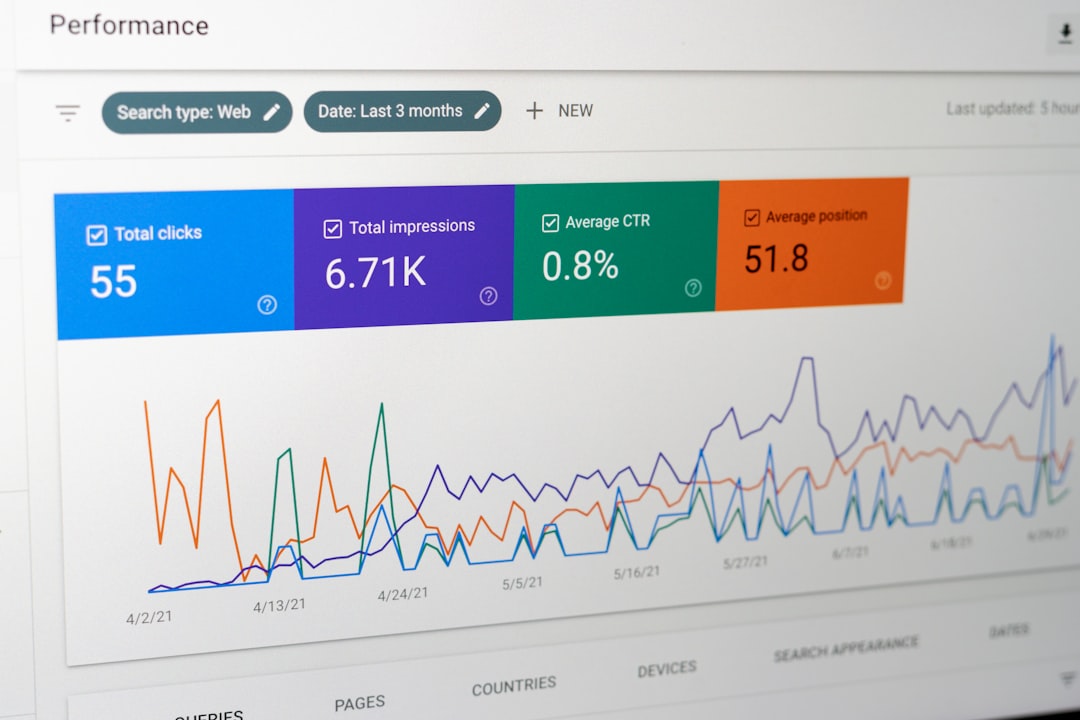
Search engine optimization is another area where a blog post generator can save time. Many tools can suggest headings, related topics, frequently asked questions, and keyword variations. This helps writers create posts that are more complete and better aligned with what readers are searching for.
However, SEO should never mean stuffing an article with keywords. A trustworthy article must serve the reader first. A generator can help identify relevant search terms, but the writer must use them naturally and ensure that the article answers real questions.
For instance, if the main topic is “remote team management,” a generator may suggest related sections on communication tools, productivity, onboarding, meeting etiquette, and employee engagement. These suggestions can help the writer cover the topic more thoroughly. Better topic coverage often leads to a more helpful article, which can improve both reader satisfaction and search performance.
Reducing Repetitive Writing Tasks
Not every part of writing requires deep creative effort. Some tasks are repetitive, such as drafting meta descriptions, creating title variations, summarizing articles, writing social media snippets, or generating newsletter previews. These supporting tasks are necessary, but they can take time away from more strategic work.
A blog post generator can help with these smaller content pieces. After a writer finishes an article, the tool can quickly create several title options, a short summary, or promotional text for different platforms. This is particularly useful for teams that repurpose blog content across email, social media, and internal communications.
For example, one long article can become:
- A short email newsletter introduction.
- Several social media captions.
- A brief executive summary.
- A set of frequently asked questions.
- A script outline for a short video.
This kind of repurposing increases the value of every article. Instead of publishing once and moving on, writers can extend the reach of their work with less manual effort.
Encouraging Better First Drafts
Many writers lose time trying to make the first draft perfect. This slows the process and can make writer’s block worse. A blog post generator encourages a healthier workflow: create first, improve second. It provides a draft that can be shaped, edited, and strengthened over time.
This approach reflects a professional writing reality: strong content is usually the result of revision. The first draft exists to organize ideas. The final draft exists to communicate clearly. By helping produce the first draft faster, a generator gives writers more time for meaningful editing.
The writer can then ask important questions:
- Does this article answer the reader’s main concern?
- Are the examples specific and credible?
- Is the structure clear from beginning to end?
- Are there weak claims that need evidence?
- Can any section be shorter, stronger, or more useful?
This process leads to better content because the writer is not spending all available time simply trying to begin.
Helping Teams Collaborate More Effectively
Blog content often involves multiple people: strategists, subject matter experts, writers, editors, and managers. Without a clear starting point, collaboration can become slow. A blog post generator can create a shared draft or outline that everyone can review and improve.

This is useful in professional environments because it reduces confusion. Instead of discussing abstract ideas, the team can comment on a visible structure. Subject matter experts can add technical details, editors can adjust clarity, and managers can confirm whether the article supports business goals.
The generator does not make strategic decisions for the team. Rather, it provides a working document that speeds up discussion and reduces unnecessary back-and-forth.
Using a Blog Post Generator Responsibly
To get reliable results, writers should use blog post generators with clear instructions. A vague prompt often produces generic content. A specific prompt produces better results. Writers should define the audience, topic, purpose, tone, length, and key points before generating a draft.
For example, instead of requesting “Write a blog post about productivity,” a better instruction would be: “Write a professional blog post for small business owners about improving productivity without increasing employee burnout. Include practical examples and a serious, trustworthy tone.”
This level of direction helps the generator produce content that is closer to the desired result. After that, the writer should review the draft carefully, remove generic language, add real examples, and verify any claims.
Conclusion
A blog post generator can be a valuable tool for overcoming writer’s block and saving time, especially for people who need to publish content regularly. It helps transform uncertainty into structure, provides useful starting points, and reduces repetitive tasks that slow down the writing process.
Still, the strongest results come from thoughtful human involvement. A generator can draft, organize, and suggest, but a skilled writer must refine, verify, and personalize. When used responsibly, it becomes more than a shortcut. It becomes a practical writing partner that supports clearer thinking, faster production, and more consistent content quality.