
As energy prices continue to rise and environmental concerns become more urgent, homeowners are searching for smarter ways to reduce consumption without sacrificing comfort. The modern smart home is no longer about novelty; it is about efficiency, automation, and long-term savings. Energy-efficient smart gadgets are transforming everyday living by optimizing heating, lighting, water usage, and electricity consumption in ways that require minimal effort from the user. Investing in the right tools today can lower utility bills, increase home value, and reduce your environmental footprint for years to come.
TLDR: Energy-efficient smart home gadgets help reduce electricity and water consumption while increasing convenience and comfort. Devices like smart thermostats, lighting systems, plugs, and energy monitors can significantly cut monthly utility bills. Many of these technologies pay for themselves over time through reduced energy waste. Investing strategically in high-impact devices offers both environmental benefits and long-term financial savings.
1. Smart Thermostats: The Cornerstone of Energy Efficiency
Heating and cooling typically account for the largest share of a home’s energy consumption. A smart thermostat is often the most impactful upgrade a homeowner can make. Unlike traditional programmable thermostats, smart models learn your habits, adjust based on occupancy, and even monitor local weather forecasts.
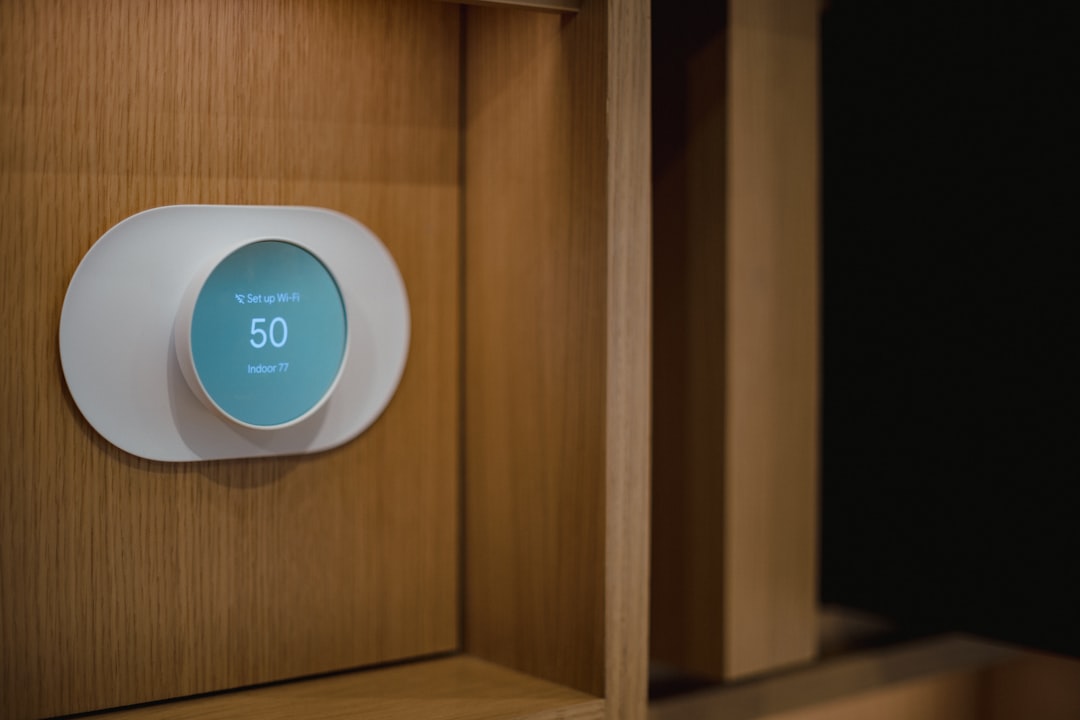
Key benefits include:
- Adaptive scheduling that adjusts automatically to your routine
- Remote access via smartphone apps
- Energy usage reports that highlight inefficiencies
- Geofencing features that reduce heating or cooling when you leave home
According to various energy studies, a smart thermostat can reduce heating and cooling costs by 10–20% annually. Over time, this translates to substantial savings, especially in climates with extreme temperatures.
2. Smart Lighting Systems
Lighting may not seem like a major expense, but inefficient use adds up quickly. Smart lighting combines LED efficiency with intelligent controls to eliminate unnecessary electricity use.
Unlike standard bulbs, smart lighting systems allow you to:
- Control brightness levels precisely
- Schedule automatic on and off times
- Use motion detection to prevent lights staying on in empty rooms
- Adjust color temperature to maximize comfort and productivity
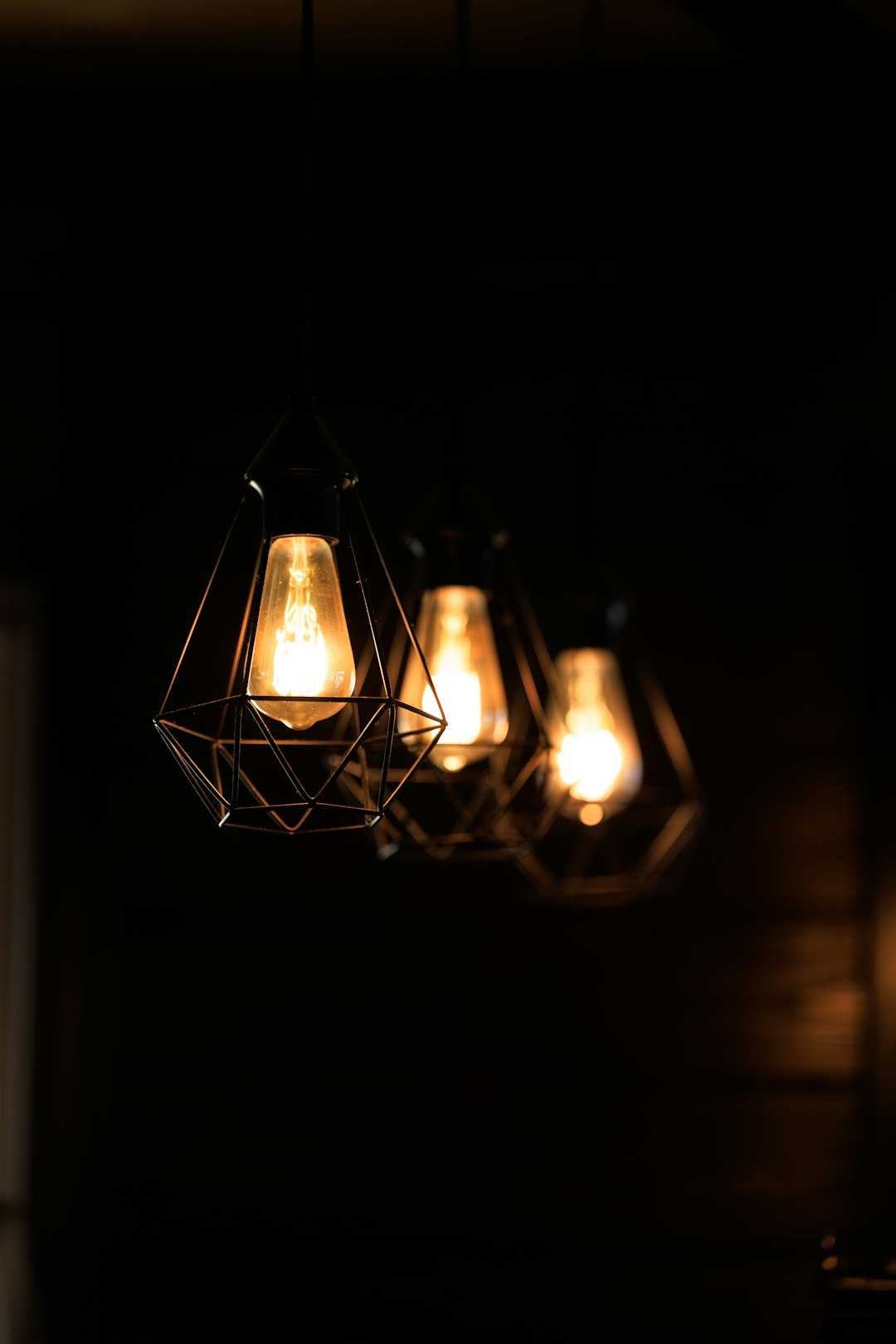
Switching to LED bulbs alone can reduce lighting energy consumption by up to 75%. When paired with automation features, the savings increase even further. Some systems also integrate with voice assistants, making it easier than ever to manage energy usage with simple commands.
Pro tip: Focus first on high-use areas like kitchens, living rooms, and outdoor lighting to maximize your return on investment.
3. Smart Plugs and Power Strips
Many homes lose energy through what is known as “phantom load” — electricity consumed by devices even when they are not actively in use. Televisions, coffee makers, gaming consoles, and chargers continuously draw small amounts of power.
Smart plugs and advanced power strips help eliminate this hidden waste. By allowing remote shutdown and automated scheduling, they ensure electronics are powered only when necessary.
Advantages include:
- Tracking energy consumption device by device
- Automating shutdown during nighttime hours
- Creating grouped schedules for entertainment systems or office setups
- Reducing standby power consumption
While each device may save only a small amount individually, combined savings across an entire household can be surprisingly significant over the course of a year.
4. Energy Monitoring Systems
You cannot improve what you do not measure. Whole-home energy monitoring systems provide real-time data about electricity use, helping homeowners identify patterns and unusually high consumption.
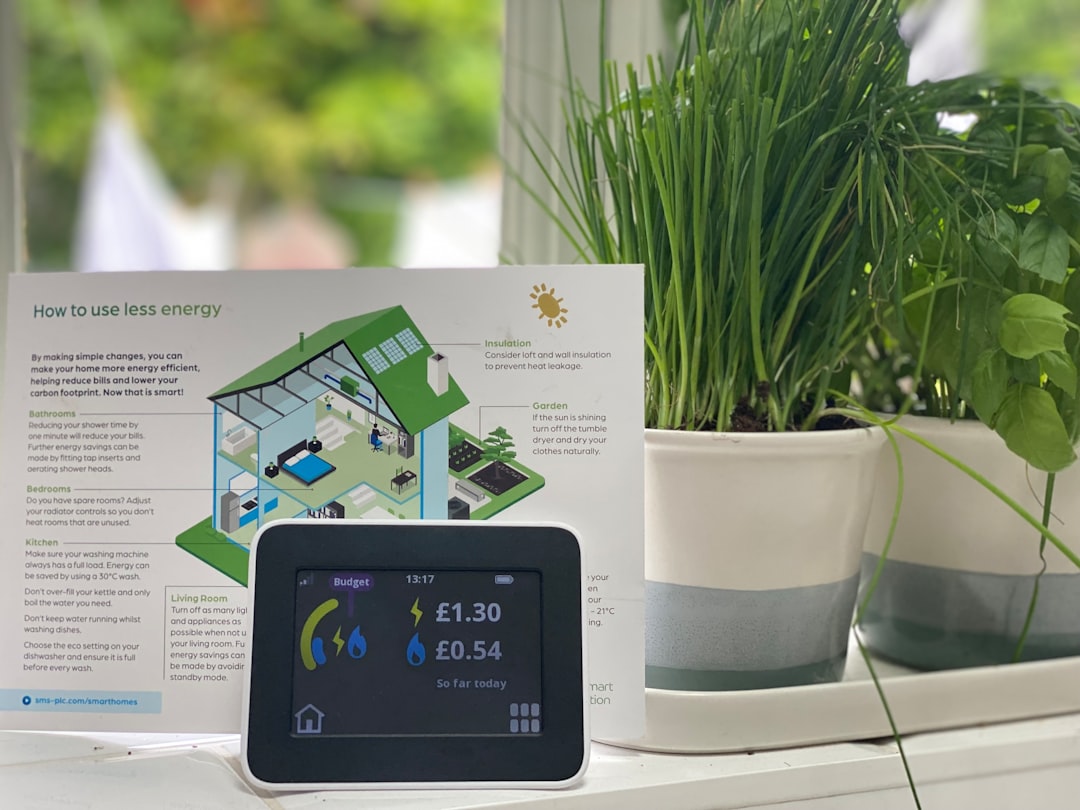
These systems typically connect directly to your electrical panel and provide:
- Real-time energy tracking
- Appliance-level breakdowns
- Custom alerts for peak usage
- Historical data comparisons
The value here lies in awareness. Many people are shocked to discover which appliances consume the most energy. Identifying inefficiencies often leads to behavioral changes that further reduce consumption without additional purchases.
5. Smart Water Heaters
Water heating is another major contributor to energy bills. Smart water heaters and add-on controllers optimize heating cycles based on usage patterns.
Traditional water heaters keep tanks hot constantly. In contrast, smart systems:
- Heat water only when needed
- Learn household shower and appliance schedules
- Allow vacation or away modes
- Send maintenance alerts to prevent inefficiency
By reducing standby heat loss and operating more efficiently, these devices can cut water heating costs by up to 10–15%, while also extending appliance lifespan.
6. Smart Appliances
Major appliances such as refrigerators, washing machines, and dishwashers are now equipped with energy-saving smart features. While replacing appliances represents a larger investment, it can be worthwhile if you are already planning upgrades.
Modern smart appliances offer:
- Eco modes that minimize water and energy use
- Remote monitoring and cycle customization
- Load detection to prevent overuse
- Peak energy hour scheduling
For example, running a dishwasher during off-peak hours can significantly reduce energy costs in areas with time-based electricity pricing. Over time, these incremental savings accumulate.
7. Smart Window Treatments
Windows are one of the biggest sources of energy loss in homes. Motorized blinds and smart shades can automatically adjust throughout the day based on sunlight exposure and indoor temperature.
In summer, they can block excess heat. In winter, they can open during sunny hours to allow passive solar warming. This reduces strain on HVAC systems and improves overall comfort.
Key benefits include:
- Automatic scheduling based on sunrise and sunset
- Temperature-triggered adjustments
- Remote management when away
- Enhanced insulation when closed
8. Smart Irrigation Systems
If you have a yard, outdoor water usage can add substantially to your bills. Smart irrigation controllers use weather forecasts, soil conditions, and seasonal data to optimize watering schedules.
Instead of watering on a fixed timer regardless of rainfall, these systems adjust automatically. Many homeowners report water savings of 20–50% after switching to weather-based smart irrigation systems.
Environmental benefits include:
- Reduced water waste
- Healthier plant growth
- Lower monthly utility bills
- Prevention of overwatering damage
9. Smart Ceiling Fans
Smart ceiling fans may seem simple, but they play a powerful role in energy efficiency. By improving air circulation, fans allow homeowners to adjust thermostat settings by several degrees without sacrificing comfort.
Smart features include:
- Temperature-based automation
- Occupancy detection
- Seasonal direction changes
- Integration with thermostats
Even raising your thermostat by just 2–3 degrees in summer while using a ceiling fan can lower cooling bills significantly.
How to Prioritize Your Investment
Not all upgrades need to happen at once. To maximize return on investment, consider the following strategy:
- Start with high-impact systems such as smart thermostats and lighting.
- Address hidden waste with smart plugs and monitoring tools.
- Upgrade major appliances when replacement becomes necessary.
- Add automation conveniences like window treatments and irrigation as budget allows.
It is also helpful to check for local rebates, tax incentives, and energy credits. Many governments and utility providers offer financial assistance for installing smart, energy-efficient devices.
Long-Term Value Beyond Utility Bills
Energy-efficient smart gadgets do more than reduce monthly expenses. They add value to your home, enhance convenience, and contribute to sustainability goals. Increasingly, buyers are prioritizing homes equipped with automation and efficiency features.
Furthermore, reducing energy consumption lowers greenhouse gas emissions. Even small adjustments, when adopted by thousands of households, create meaningful environmental impact.
Final Thoughts
Smart home technology has evolved far beyond novelty gadgets. Today’s energy-efficient devices combine automation, intelligence, and real financial benefits. Whether starting small with smart plugs or making larger upgrades like thermostats and appliances, each step moves your home toward greater efficiency.
By investing strategically in the right smart home gadgets, homeowners can enjoy lower bills, increased comfort, and the peace of mind that comes from living more sustainably. In a world where both energy costs and environmental stakes are rising, that is an investment well worth making.